![[Brandz] Logo - White](https://brandzbulletin.com/wp-content/uploads/2024/06/Brandz-Logo-White.png)
Why do customers instantly recognize brands like Apple, Nike, and Starbucks—and pay premium prices for their products? It’s not luck. It’s strategic brand management.
The best brands don’t just sell products; they own a space in consumers’ minds. And you can replicate their success—no massive budget required.
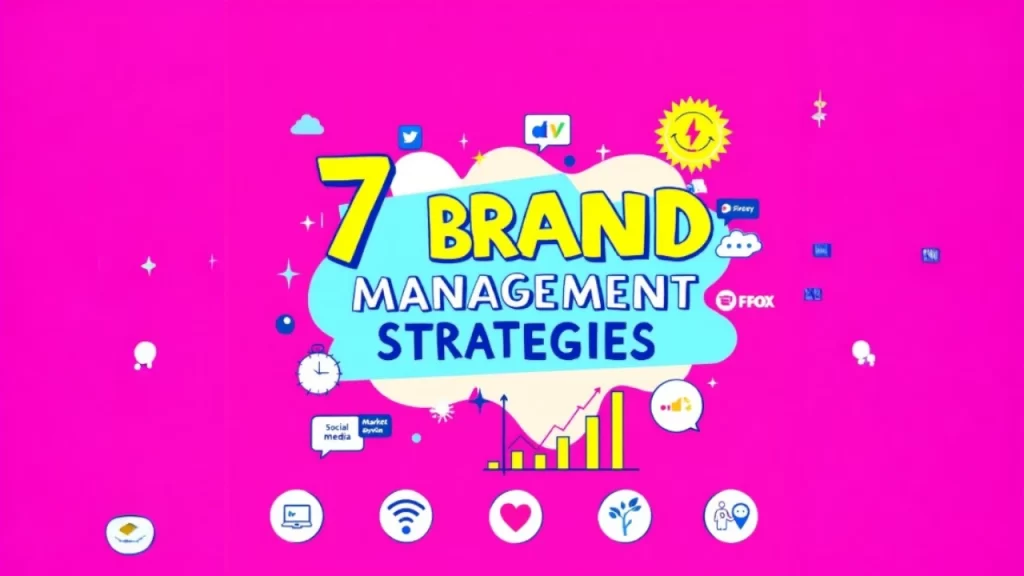
Here are the 7 brand management strategies top companies use to dominate their markets, plus how to apply them to your business.
1. Define a Clear Brand Identity (Beyond Just a Logo)
What Top Brands Do
- Apple = Innovation + Simplicity
- Nike = Empowerment + Performance
- Coca-Cola = Happiness + Nostalgia
How to Apply It
✔ Brand Positioning Statement:
- “For [target audience], [brand] is the only [category] that [unique benefit].”
✔ Visual Identity Guide: - Colors (like Tiffany Blue)
- Fonts (e.g., Coca-Cola’s cursive script)
- Imagery style (Apple’s minimalist product shots)
Action Step: Audit your branding—is it consistent and memorable?
2. Master Storytelling (Create an Emotional Connection)
Why It Works
- 72% of consumers prefer brands with values that align with theirs
- Stories are 22x more memorable than facts
Examples
- Dove’s “Real Beauty” – Challenges beauty stereotypes
- Patagonia’s Environmental Activism – “Don’t buy this jacket” campaign
How to Apply It
✔ Brand Origin Story (How/why you started)
✔ Customer Success Stories (Hero-focused, not product-focused)
✔ Mission-Driven Content (Show impact beyond profits)
Pro Tip: Use real people (employees/customers) in storytelling.
3. Deliver a Consistent Brand Experience (At Every Touchpoint)
What Top Brands Do
- Starbucks: Same ambiance globally
- Amazon: 1-click ordering everywhere
- McDonald’s: Uniform taste worldwide
How to Apply It
✔ Brand Voice Guide (Formal? Playful? Inspirational?)
✔ Customer Journey Map (Is branding cohesive from ads to checkout?)
✔ Employee Training (Your team should embody the brand)
Case Study: Zappos’ customer service is so consistent, it’s a core brand trait.
4. Leverage Strategic Partnerships (Smart Collaborations)
Why It Works
- Reaches new audiences
- Boosts credibility (halo effect)
Examples
- Nike x Apple (Running app integration)
- GoPro x Red Bull (Extreme sports content)
How to Apply It
✔ Find complementary brands (Not competitors)
✔ Co-create value (Giveaways, events, content)
✔ Measure ROI (Track referral traffic/sales)
Action Step: Pitch one collaboration this month.
5. Own a Signature Brand Element (Instant Recognition)
What Top Brands Do
- Tiffany & Co.: Robin’s egg blue
- McDonald’s: Golden arches
- Intel: 5-note jingle
How to Apply It
✔ Auditory Branding (Unique sound/music)
✔ Packaging Design (Like Coca-Cola’s bottle shape)
✔ Tagline (Nike’s “Just Do It”)
Pro Tip: Test recognition—can people describe your brand blind?
6. Build a Community (Beyond Customers)
Why It Works
- 72% of consumers stay loyal to brands they feel part of
- Apple’s cult following drives free word-of-mouth
How to Apply It
✔ Private Groups (Facebook, Discord)
✔ User-Generated Content (UGC) (Hashtag campaigns)
✔ Loyalty Programs (Sephora’s Beauty Insider)
Example: Harley-Davidson’s H.O.G. (Harley Owners Group) fuels brand loyalty.
7. Adapt Without Losing Core Identity (Stay Relevant)
What Top Brands Do
- Netflix (DVDs → Streaming → Content creation)
- LEGO (Toys → Movies → Gaming)
How to Apply It
✔ Listen to Trends (But don’t chase fads)
✔ Refresh Visuals (Like Starbucks’ logo evolution)
✔ Expand Offerings (Amazon: Books → Everything)
Warning: Don’t alienate loyal fans—evolution, not revolution.
FAQs
How much does brand management cost?
Start small—consistent visuals + storytelling cost $0.
Can small businesses compete with big brands?
Yes! Sweetgreen beat McDonald’s in salads by owning “healthy fast food.”
How long until branding pays off?
6-12 months for recognition, but loyalty builds over years.
What’s the #1 branding mistake?
Inconsistency—using different logos, tones, or messages.
Do B2B brands need this?
Absolutely—Salesforce and HubSpot dominate with strong branding.
Conclusion
Great brands aren’t built overnight—but every market leader started somewhere. By:
✔ Defining your identity
✔ Telling compelling stories
✔ Delivering consistency
…you’ll stand out in a crowded market.
Your Move: Pick one strategy to implement this week. Small steps compound into an iconic brand.
Free Branding Tools: