![[Brandz] Logo - White](https://brandzbulletin.com/wp-content/uploads/2024/06/Brandz-Logo-White.png)
Introduction to Social Media Marketing
Social media marketing has revolutionized the way businesses connect with their audience. In an age where digital presence is paramount, mastering social media is not just advantageous but essential. This comprehensive guide will unveil the secrets to effective social media marketing, helping you harness its full potential.
Understanding Social Media Marketing
What is Social Media Marketing?
Social media marketing involves using social platforms to promote products, services, and brands. It encompasses a variety of activities, including content creation, paid advertising, and community engagement, all aimed at achieving specific marketing objectives.
Importance of Social Media Marketing
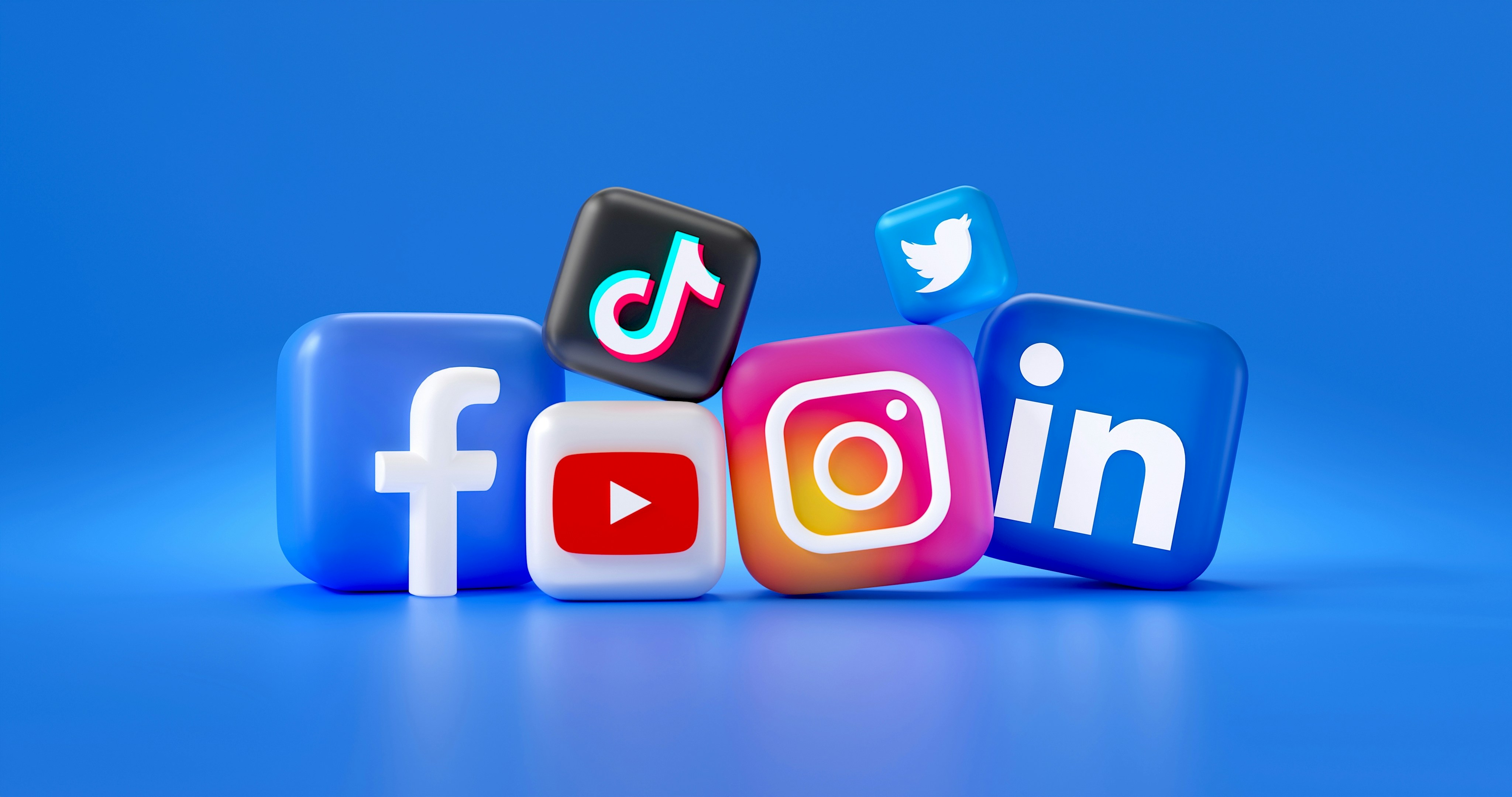
With billions of active users across platforms like Facebook, Instagram, Twitter, and LinkedIn, social media offers unparalleled reach. It allows businesses to engage with their audience, build brand awareness, drive website traffic, and ultimately boost sales.
Setting Clear Goals and Objectives
Defining Your Goals
Before diving into social media marketing, it’s crucial to define your goals. Common objectives include increasing brand awareness, generating leads, driving website traffic, and boosting sales. Clear goals guide your strategy and provide a benchmark for measuring success.
Establishing Key Performance Indicators (KPIs)
Identify KPIs that align with your goals. These might include metrics like engagement rates, click-through rates (CTR), conversion rates, and return on investment (ROI). KPIs help track progress and adjust strategies as needed.
Knowing Your Audience
Conducting Audience Research
Understanding your audience is fundamental to effective social media marketing. Conduct research to identify your target demographic, including their age, gender, location, interests, and online behaviors.
Creating Buyer Personas
Develop detailed buyer personas based on your research. These fictional characters represent your ideal customers and help tailor your content and messaging to resonate with your target audience.
Choosing the Right Social Media Platforms
Platform Overview
Different social media platforms serve different purposes and audiences. For example, LinkedIn is ideal for B2B marketing, while Instagram is perfect for visual content and younger demographics. Choose platforms that align with your business goals and target audience.
Platform-Specific Strategies
Develop unique strategies for each platform. For instance, leverage Instagram Stories and IGTV for behind-the-scenes content, use LinkedIn for thought leadership articles, and engage with trending topics on Twitter.
Crafting a Compelling Content Strategy
Content Creation
High-quality content is the cornerstone of social media marketing. Create diverse content types, including blog posts, videos, infographics, and user-generated content. Ensure your content is informative, entertaining, and valuable to your audience.
Content Calendar
Plan your content in advance using a content calendar. This tool helps maintain consistency, ensures a balanced mix of content, and allows for timely posts related to holidays, events, and trends.
Storytelling Techniques
Use storytelling to make your content more engaging. Share customer success stories, company milestones, and behind-the-scenes looks at your business. Storytelling creates an emotional connection with your audience.
Engaging Your Audience
Building Community
Social media is about building a community, not just broadcasting messages. Engage with your audience by responding to comments, joining conversations, and fostering a sense of belonging.
User-Generated Content
Encourage your audience to create content related to your brand. User-generated content (UGC) is authentic and can boost trust and engagement. Share UGC on your profiles to show appreciation and build a loyal community.
Running Contests and Giveaways
Contests and giveaways can drive engagement and increase your follower base. Ensure your contests are relevant to your brand and offer attractive prizes that resonate with your audience.
Utilizing Paid Advertising
Understanding Paid Social Media
Paid social media advertising allows you to reach a broader audience beyond your organic followers. Platforms like Facebook, Instagram, and LinkedIn offer robust advertising tools to target specific demographics and interests.
Crafting Effective Ad Campaigns
Create compelling ad campaigns with clear objectives, captivating visuals, and persuasive copy. Test different ad formats, such as carousel ads, video ads, and sponsored posts, to determine what works best for your audience.
Budgeting and ROI
Set a budget for your paid social media efforts and monitor your ROI. Use analytics tools provided by the platforms to track the performance of your ads and adjust your strategy based on the data.
Analyzing and Adjusting Your Strategy
Social Media Analytics
Regularly review your social media analytics to assess the performance of your posts, ads, and overall strategy. Key metrics to track include engagement rates, follower growth, website traffic, and conversions.
A/B Testing
Experiment with different content formats, posting times, and ad creatives through A/B testing. This approach helps identify what resonates most with your audience and optimizes your strategy for better results.
Adjusting Your Approach
Based on your analytics and testing results, adjust your social media strategy. Stay flexible and be willing to pivot your approach to improve engagement and achieve your goals.
Leveraging Influencer Marketing
Finding the Right Influencers
Influencers can amplify your brand’s reach and credibility. Identify influencers whose audience aligns with your target market. Consider factors like engagement rate, authenticity, and relevance to your industry.
Collaborating with Influencers
Build authentic relationships with influencers. Allow them creative freedom while ensuring their content aligns with your brand message. Collaborations can include sponsored posts, product reviews, and giveaways.
Measuring Influencer Impact
Track the performance of your influencer campaigns using metrics like engagement, reach, and conversions. Evaluate the ROI of your collaborations to determine their effectiveness.
Staying Updated with Trends
Monitoring Social Media Trends
Stay informed about the latest social media trends and platform updates. Follow industry blogs, attend webinars, and join professional groups to keep your knowledge current.
Adapting to Changes
Social media is dynamic, with frequent algorithm changes and emerging trends. Adapt your strategy to stay relevant and take advantage of new features and opportunities.
Innovating Your Approach
Continuously seek new ways to engage your audience and stand out from the competition. Innovation keeps your content fresh and exciting, helping to maintain audience interest.
Conclusion
Effective social media marketing is a multifaceted endeavor that requires a strategic approach, consistent effort, and adaptability. By understanding your audience, creating high-quality content, engaging with your community, leveraging paid advertising, and staying updated with trends, you can unlock the secrets to successful social media marketing. Remember, the key to success lies in authenticity, value, and continuous improvement.
FAQs
1. What are the key benefits of social media marketing?
Social media marketing increases brand awareness, drives engagement, generates leads, boosts sales, and fosters community building.
2. How often should I post on social media?
Posting frequency varies by platform, but consistency is key. For example, posting daily on Instagram and a few times a week on LinkedIn is effective.
3. What types of content work best on social media?
Diverse content types such as videos, blog posts, infographics, and user-generated content perform well. Tailor your content to each platform’s strengths.
4. How do I measure the success of my social media campaigns?
Use metrics like engagement rates, click-through rates, follower growth, website traffic, and conversions to measure success.
5. How can I increase engagement on my social media posts?
Engage with your audience by responding to comments, asking questions, running contests, and posting interactive content like polls and stories.
6. What is the role of influencers in social media marketing?
Influencers can extend your reach, enhance credibility, and drive engagement by promoting your brand to their loyal followers.
7. How do I create a social media content calendar?
Plan your content in advance, schedule posts regularly, and balance various content types. Use tools like Google Calendar or social media management platforms.
8. What is A/B testing in social media marketing?
A/B testing involves experimenting with different content formats, posting times, and ad creatives to determine what performs best with your audience.
9. How much should I budget for social media advertising?
Budgets vary based on goals and industry. Start small, monitor performance, and adjust based on ROI. Platforms offer tools to help set and manage budgets.
10. How can small businesses benefit from social media marketing?
Social media marketing is cost-effective, enhances brand visibility, engages customers, drives traffic, and increases sales for small businesses.