![[Brandz] Logo - White](https://brandzbulletin.com/wp-content/uploads/2024/06/Brandz-Logo-White.png)
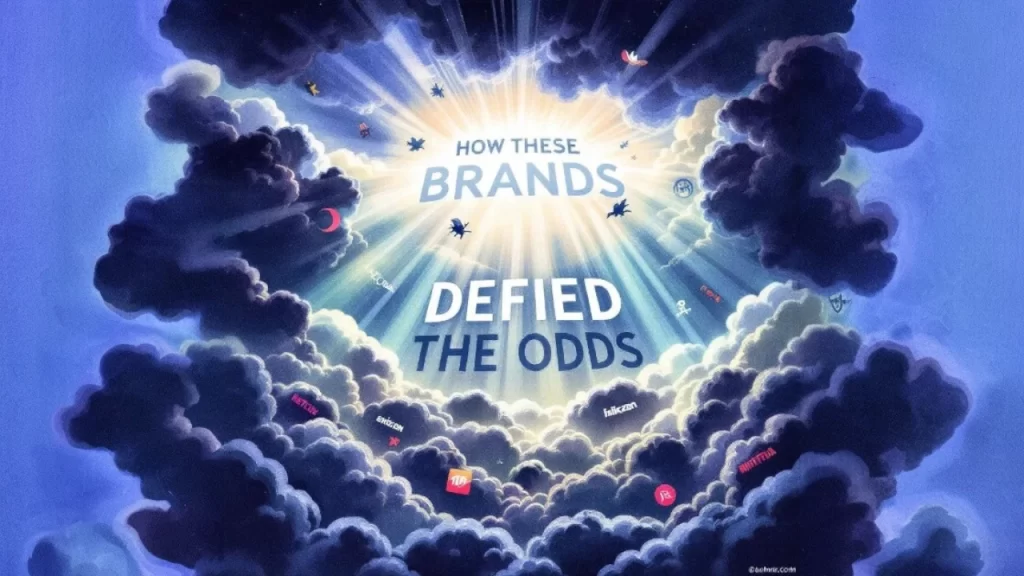
From Obscurity to Iconic: How Underdog Brands Made History
Every household name we know today started as an underdog.
- Nike began as a small distributor for a Japanese shoe brand.
- Apple nearly went bankrupt before revolutionizing personal tech.
- Tesla was mocked by automakers before becoming the most valuable car company.
These brands didn’t just succeed—they rewrote the rules of their industries.
So, how did they do it?
This article reveals the breakthrough strategies that turned struggling startups into global icons—and how you can apply their lessons to your own brand.
What Separates Iconic Brands from the Rest?
Becoming a household name isn’t about luck—it’s about bold differentiation. The most legendary brands:
✔ Solve a problem in an unforgettable way (Uber = tap a button, get a ride).
✔ Create cult-like loyalty (Harley-Davidson riders tattoo the logo).
✔ Dominate culture, not just commerce (Coca-Cola = happiness in a bottle).
Let’s break down how they did it—and how you can too.
Nike: How a $50 Startup Became a Global Giant
The Struggle
Founded in 1964 as Blue Ribbon Sports, Nike started by reselling Japanese sneakers. By 1971, it nearly collapsed after its supplier cut ties.
The Breakthrough
- Created its own shoe (the iconic Nike Cortez).
- Signed Michael Jordan despite Adidas’ dominance.
- Built a brand around rebellion (“Just Do It”).
The Lesson
Don’t just sell products—sell identity. Nike didn’t sell shoes; it sold the spirit of athletic greatness.
Apple: From Near Bankruptcy to a Trillion-Dollar Empire
The Struggle
By 1997, Apple was 90 days from bankruptcy. The tech world wrote it off.
The Breakthrough
- Simplified its product line (iMac, iPod, iPhone).
- Focused on design and UX (sleek, intuitive devices).
- Built an ecosystem (iCloud, App Store, iTunes).
The Lesson
Innovate or die. Apple didn’t just make computers—it redefined how humans interact with technology.
Tesla: How an Electric Car Startup Beat Detroit
The Struggle
In 2008, Tesla almost ran out of cash. Critics called electric cars a fad.
The Breakthrough
- Made EVs desirable (Model S = luxury + performance).
- Built a charging network (removing “range anxiety”).
- Sold directly to consumers (bypassing dealerships).
The Lesson
Challenge industry norms. Tesla didn’t just make cars—it forced the auto industry to change.
Red Bull: How an Energy Drink Became a Lifestyle
The Struggle
Launched in 1987, Red Bull faced skepticism (“Who would pay for expensive caffeine?”).
The Breakthrough
- Pioneered content marketing (sponsoring extreme sports).
- Created viral stunts (Felix Baumgartner’s space jump).
- Owned a category (“energy drink” = Red Bull).
The Lesson
Marketing > product. Red Bull sells adrenaline, not just cans.
Airbnb: How a Mattress Rental Became a Travel Juggernaut
The Struggle
In 2008, Airbnb founders sold cereal to fund their failing startup.
The Breakthrough
- Leveraged trust (user reviews, verified photos).
- Tapped into local experiences (“Live like a local”).
- Scaled during a recession (cheaper than hotels).
The Lesson
Solve a real pain point. Airbnb didn’t just offer rooms—it democratized travel.
The 5 Rules of Becoming a Household Name
Rule 1: Stand for Something Bigger
- Nike = Empowerment.
- Patagonia = Sustainability.
- Tesla = A fossil-free future.
Rule 2: Obsess Over Customer Experience
- Zappos (free returns, 24/7 support).
- Amazon (1-click ordering, Prime speed).
Rule 3: Dominate a Niche Before Expanding
- Facebook (started with Harvard students).
- Netflix (DVDs by mail → streaming).
Rule 4: Create Shareable Moments
- Dove’s Real Beauty Campaign.
- Wendy’s viral Twitter roasts.
Rule 5: Adapt or Die
- Kodak (ignored digital) vs. Fujifilm (pivoted to healthcare).
How to Apply These Lessons to Your Brand
Start Small, Think Big
- Focus on a core audience (Tesla started with luxury buyers).
- Solve one problem exceptionally well (Uber = no more taxis).
Leverage Storytelling
- Warby Parker (“Buy a pair, give a pair”).
- TOMS Shoes (social impact built into sales).
Embrace Controversy (Wisely)
- Ben & Jerry’s (activism in branding).
- Tesla’s Elon Musk (polarizing but unforgettable).
FAQs: Your Brand-Building Questions Answered
Can a B2B brand become a household name?
Yes! Salesforce, Slack, and HubSpot dominate their niches with strong branding.
How long does it take to build an iconic brand?
Most took 10–20 years—but today, viral growth can accelerate it (e.g., TikTok).
Do I need a huge budget to compete?
No. Dollar Shave Club went viral with a $4,500 video.
What’s the biggest mistake struggling brands make?
Copying competitors instead of differentiating.
How do I measure brand recognition?
Track unaided brand recall (“Name a sneaker brand” → “Nike”).
Final Thoughts: Your Brand Can Be Next
Becoming a household name isn’t about money or luck—it’s about vision, grit, and relentless customer focus.
The brands we remember didn’t follow trends—they set them.
Ready to build your legacy? Start by:
✔ Defining what makes you unforgettable.
✔ Solving a problem better than anyone else.
✔ Telling a story people want to share.
The next iconic brand could be yours—if you dare to think differently.
External Sources: