![[Brandz] Logo - White](https://brandzbulletin.com/wp-content/uploads/2024/06/Brandz-Logo-White.png)
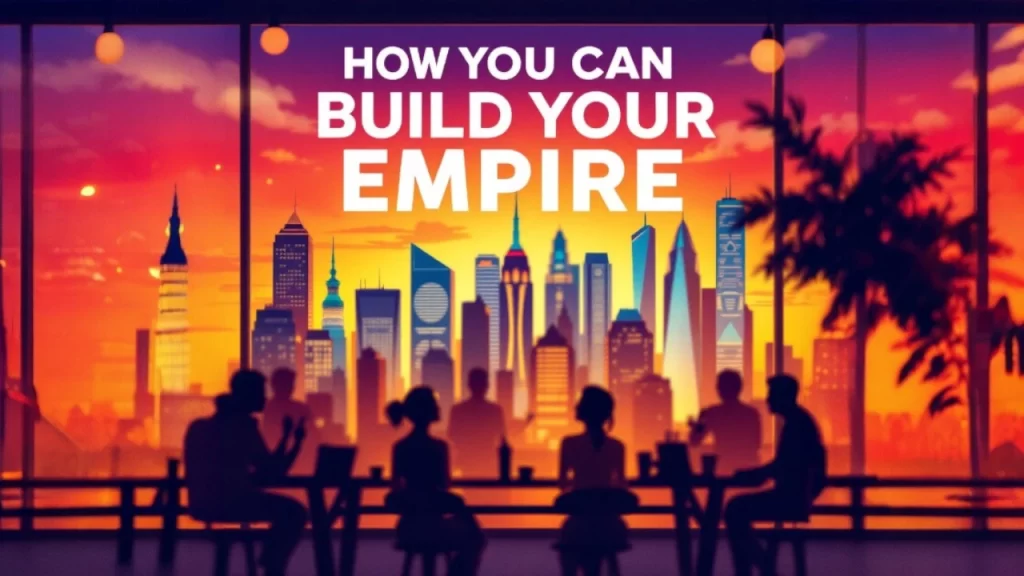
Every legendary brand—from Nike to Apple, Airbnb to Glossier—started as just an idea. What separates these empire-builders from dreamers? Relentless execution, visionary branding, and scalable systems.
The good news? You don’t need a Fortune 500 budget to replicate their success. By studying the playbook of self-made brands, you can shortcut your way to explosive growth.
In this article, we’ll break down how 5 iconic brands built billion-dollar empires from nothing—and exactly how you can apply their strategies to launch, scale, and dominate your market.
1. Nike: From $50 Loans to $40B Empire
How They Did It
- Started with a handshake deal – Phil Knight sold shoes from his car trunk.
- Built a cult around storytelling – “Just Do It” wasn’t about shoes; it was about identity.
- Leveraged celebrity endorsements early – Signed Michael Jordan for $2.5M (a gamble that paid billions).
Your Takeaway
✔ Start small, think big – Test your idea with minimal resources.
✔ Sell a movement, not a product – People buy why you exist.
✔ Bet on influencers early – Partner with rising stars in your niche.
2. Airbnb: Turning Air Mattresses into a $100B Disruptor
How They Did It
- Solved a real pain point – Founded when their rent was due (hosted strangers for cash).
- Hacked growth – Spammed Craigslist users (controversial but effective).
- Mastered community trust – Reviews, verified photos, and insurance built credibility.
Your Takeaway
✔ Fix a problem you’ve experienced – The best ideas come from frustration.
✔ Growth hack before you scale – Use scrappy tactics to get early traction.
✔ Build trust aggressively – Social proof (reviews, case studies) is non-negotiable.
3. Glossier: How a Blog Became a Beauty Juggernaut
How They Did It
- Started as a blog (Into The Gloss) – Built an audience before selling products.
- Co-created with customers – Asked fans what they wanted, then made it.
- Prioritized Instagram aesthetics – Made unboxing feel like a luxury experience.
Your Takeaway
✔ Build an audience first – Content → Community → Commerce.
✔ Let customers design your products – Crowdsource ideas via polls and DMs.
✔ Make branding Instagrammable – Packaging matters as much as the product.
4. Spanx: From $5K Savings to Billion-Dollar Shapewear
How They Did It
- Solved a personal frustration – Sara Blakely cut her pantyhose to look better in jeans.
- Cold-called manufacturers – Got rejected for being a “nobody” but persisted.
- Landed Oprah – Free publicity from a celebrity endorsement skyrocketed sales.
Your Takeaway
✔ Obsess over a niche problem – The best ideas seem obvious in hindsight.
✔ Embrace rejection – Every “no” gets you closer to “yes.”
✔ Shoot your shot with influencers – One viral feature can change everything.
5. Gymshark: How a Teen Built a $1.4B Fitness Brand
How They Did It
- Started in a garage – Ben Francis screen-printed shirts at 19.
- Leveraged athlete micro-influencers – Gave free gear to fitness YouTubers.
- Hosted epic pop-up events – Created FOMO with exclusive drops.
Your Takeaway
✔ Start where you are – No factory? No problem. Print-on-demand works.
✔ Partner with nano-influencers – Smaller creators = higher engagement.
✔ Make launches feel urgent – Limited editions and events drive hype.
The 5-Step Empire Blueprint (How to Apply This Now)
1. Find Your “Why” (Beyond Money)
- Nike = Empowerment | Airbnb = Belonging | Glossier = Real Beauty
2. Validate Before You Scale
- Sell pre-orders, run a Kickstarter, or test with a Facebook Group.
3. Build a Cult-Like Community
- Engage daily (DMs, comments, live streams).
4. Master One Marketing Channel
- Gymshark = Instagram | Airbnb = Craigslist hacks | Glossier = Blogs
5. Reinvest Early Profits into Growth
- Double down on what works (ads, influencers, R&D).
FAQs About Building a Brand Empire
How much money do I need to start?
– Many of these brands launched with under $10K. Creativity > capital.
What if my industry is crowded?
– Differentiate with storytelling (e.g., “Tesla for X” or “Glossier for Y”).
How do I get my first 100 customers?
– Friends, family, and niche forums—then leverage their testimonials.
Should I focus on DTC or wholesale?
– Start direct-to-consumer (higher margins, more control).
How long until I see real growth?
– Most hit inflection points at 18–36 months—stay consistent.
Final Thoughts: Your Empire Starts Today
These brands prove that you don’t need a pedigree or a fortune to build something legendary. You need a big idea, relentless execution, and the willingness to fail forward.
Your move: Pick one lesson from this guide—whether it’s hacking growth like Airbnb or community-building like Glossier—and implement it this week.
Want to go deeper? Check out:
Which brand’s story inspired you most? Share below—let’s cheer each other on! 🚀