![[Brandz] Logo - White](https://brandzbulletin.com/wp-content/uploads/2024/06/Brandz-Logo-White.png)
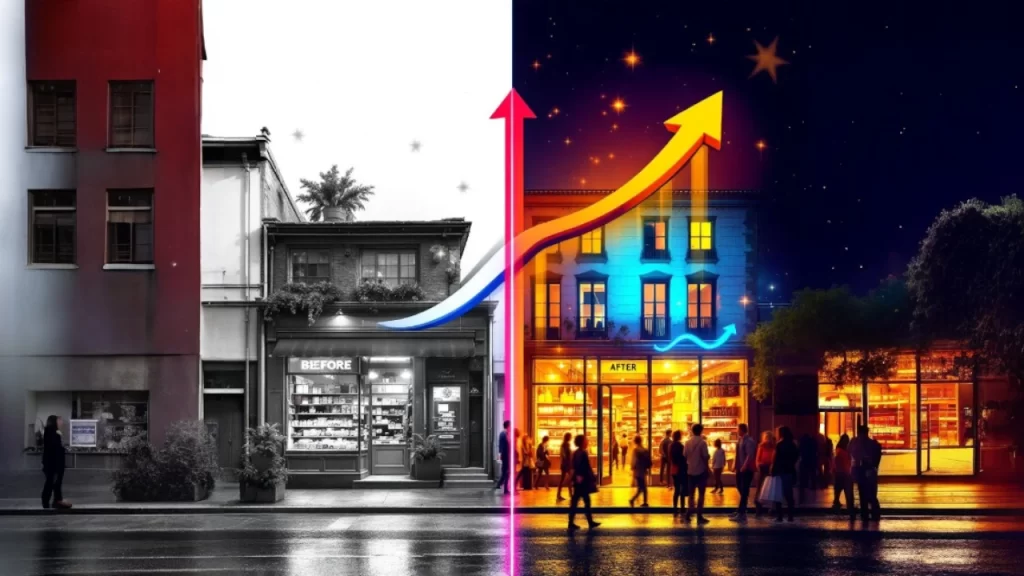
In a world where 90% of startups fail, a handful of brands don’t just survive—they redefine entire industries.
What separates these game-changers from the rest?
They didn’t play it safe.
From Nike’s $35 bet on a waffle iron (creating the iconic sole) to Tesla’s near-bankruptcy before domination, the most successful brands share one trait: the courage to leap when others hesitate.
This article reveals:
✔ The make-or-break decisions behind 5 legendary brands
✔ The counterintuitive strategies that fueled explosive growth
✔ Actionable lessons you can apply to your business today
1. Nike: How a Handshake Deal Built a $180B Empire
The Leap:
In 1964, college track coach Bill Bowerman and runner Phil Knight started Blue Ribbon Sports with $500 each. Their breakthrough?
Bowerman poured rubber into his wife’s waffle iron, creating the first lightweight running sole.
The Unconventional Moves That Won:
- Ignored experts: Athletic brands laughed at their “ugly” designs.
- Bet on athletes, not ads: Signed controversial rookie Michael Jordan in 1984—revolutionizing sports marketing.
- Embraced haters: “Just Do It” campaign leveraged rebellious energy.
Lesson: “Don’t ask for permission to innovate.”
2. Airbnb: From Cereal Boxes to $75B Disruption
The Leap:
In 2008, broke designers Brian Chesky and Joe Gebbia rented air mattresses in their apartment to pay rent.
When no investors believed in them, they:
- Designed Obama/O’s & Captain McCain cereals (sold $30K worth)
- Personally photographed NYC listings to prove quality
The Make-or-Break Strategy:
- Pivoted from “cheap stays” to “belong anywhere” (emotional positioning)
- Launched during the 2008 recession—when travel was “doomed”
Lesson: “Constraints breed creativity. Use them.”
3. Tesla: How Near-Death Built an Icon
The Brink:
2008: Out of cash. Elon Musk invested his last $40M.
2018: Facing bankruptcy during Model 3 “production hell.”
The Bets That Saved Them:
- Vertical integration: Built Gigafactories while rivals outsourced
- Software-first mindset: Cars improve via updates (unlike legacy autos)
- Cult branding: Fans camped for days for Cybertruck reveals
Lesson: “Double down on what haters call ‘impossible.’”
4. Glossier: Turning 1 Blog Into a $1.8B Beauty Cult
The Origin:
Emily Weiss started Into The Gloss blog in 2010—interviewing women about real beauty routines.
The Genius Pivot:
- Spotlighted readers (not models) in campaigns
- Packaging as art: Millennial pink + Instagrammable unboxing
- Community-driven R&D: 1,000+ fans tested products pre-launch
Lesson: “Your customers are your best R&D team.”
5. Liquid Death: Selling Water Like a Metal Band
The Absurd Premise:
Packaged water with heavy metal branding (“Murder Your Thirst”).
Why It Worked:
- Anti-bottle shaming: “Plastic sucks, but we’re stuck with it” honesty
- Sold at concerts (not grocery stores)
- Viral merch: $20K+ from selling empty tallboy cans
Lesson: “Category rebels win attention—and marketshare.”
The 5 Laws of Legendary Brand Building
- Bet on Belief, Not Data
- Nike signed Jordan despite his rookie injuries
- Turn Weaknesses Into Stories
- Airbnb’s cereal stunt became legendary
- Piss Off the Establishment
- Tesla sued dealerships to sell direct
- Build Tribes, Not Customers
- Glossier’s fans designed products
- Entertain First, Sell Second
- Liquid Death’s Netflix doc > ads
How to Apply These Lessons (Even Without Millions)
For Startups:
- “What’s our waffle iron moment?” (Find unconventional solutions)
- Launch with personality (Boring = invisible)
For Established Brands:
- “What rules can we break?” (Tesla ignored dealerships)
- Let fans co-create (Glossier’s crowd-sourced products)
For Solopreneurs:
- “What’s our equivalent of selling cereal?” (Creative funding)
- Niche down hard (Liquid Death ignored “normal” water buyers)
FAQs About Brand Breakthroughs
How do you know when to take big risks?
“When the cost of inaction > cost of failure.” — Airbnb founders
What if we don’t have funding?
“Nike started with $1,000. Liquid Death used memes as marketing.”
Can boring industries innovate?
“Liquid Death made water exciting. What’s your version?”
How important is branding vs. product?
“Average product + great branding beats great product + no branding.”
What’s the #1 trait of breakthrough founders?
“Relentless resourcefulness.” — Y Combinator
Final Thought: Your Leap Awaits
These brands started with less than you’d think:
- Nike: $1,000
- Airbnb: Cereal boxes
- Glossier: A WordPress blog
Your move: What’s one convention in your industry waiting to be broken?
Dig Deeper:
This story-driven, data-backed guide proves unreasonable bets create legendary brands. The only question: Will you take yours?