![[Brandz] Logo - White](https://brandzbulletin.com/wp-content/uploads/2024/06/Brandz-Logo-White.png)
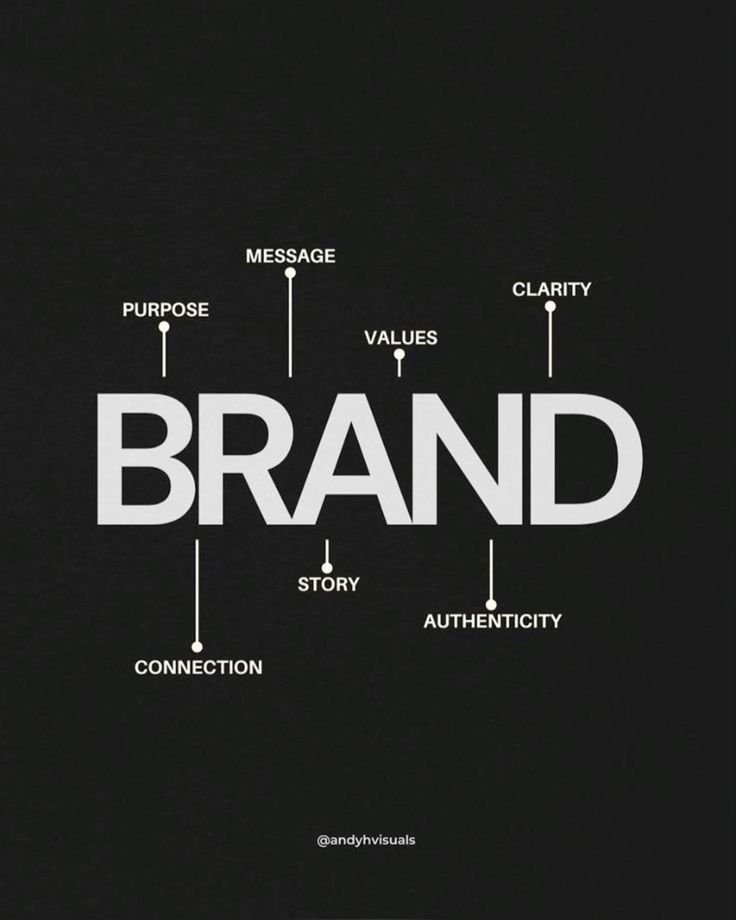
Strong branding isn’t just a logo or tagline—it’s how your business is perceived by customers, partners, and the market. Yet, many businesses unknowingly follow branding myths that limit growth, reduce credibility, and weaken customer loyalty.
In this guide, we’ll reveal the most damaging branding misconceptions and provide actionable strategies to overcome them, ensuring your business stands out and thrives in a competitive market.
Myth: Branding Is Just a Logo or Visual Identity
Many business owners believe branding is limited to colors, fonts, and logos.
- Reality: Branding encompasses your voice, mission, values, and customer experience.
- Your logo is a symbol, but your brand is the story and emotional connection you build with your audience.
How to Overcome: Focus on defining your brand’s mission and values, then ensure every touchpoint reflects that identity consistently.
Myth: A Strong Product Eliminates the Need for Branding
Some think that a superior product will automatically attract customers without branding efforts.
- Reality: Even the best product can fail if customers don’t trust, recognize, or relate to your brand.
- Branding communicates quality, trust, and reliability.
How to Overcome: Invest in clear messaging, storytelling, and marketing that communicates your product’s value and differentiates it from competitors.
Myth: Branding Is Only Important for Big Companies
Small businesses often assume branding is a luxury reserved for large corporations.
- Reality: Startups and small businesses gain the most competitive advantage from branding because it helps them stand out in crowded markets.
- A strong brand builds credibility, attracts loyal customers, and increases perceived value.
How to Overcome: Develop a cohesive brand strategy early. Consistency in messaging, visuals, and customer experience creates a professional image regardless of size.
Myth: Branding Can Be Done Once and Left Alone
Some companies create a brand and never revisit it, assuming it’s a one-time task.
- Reality: Brands evolve with customer expectations, market trends, and business growth.
- Stagnant brands risk becoming irrelevant or outdated.
How to Overcome: Regularly review your brand messaging, visual identity, and market positioning. Adapt to shifts in audience behavior and industry trends.
Myth: Social Media Presence Equals Branding
Having social media profiles doesn’t automatically mean your brand is strong.
- Reality: Social media is a channel, not the brand itself.
- Branding is about how you communicate your values, mission, and personality across all touchpoints, including offline interactions.
How to Overcome: Develop a unified brand voice and strategy across every channel. Ensure social media posts, website content, and customer service reflect your brand consistently.
Myth: Branding Doesn’t Influence Employee Engagement
Some leaders focus branding only on external audiences, neglecting its impact internally.
- Reality: A strong brand motivates employees, aligns teams, and fosters pride.
- Employees who understand and believe in the brand are more productive, loyal, and customer-focused.
How to Overcome: Educate employees about brand values, mission, and messaging. Incorporate brand principles into training, culture initiatives, and internal communications.
Myth: Branding Is Only About Being Creative or Trendy
Many businesses equate branding with flashy designs or trendy campaigns.
- Reality: Branding is strategic—it’s about creating recognition, trust, and differentiation.
- Creativity without strategy may attract attention but fail to convert or retain customers.
How to Overcome: Align creativity with strategy. Ensure your visuals, messaging, and campaigns support your brand’s mission, target audience, and long-term goals.
Steps to Build a Strong Brand That Overcomes These Myths
- Define your mission and values clearly.
- Create a consistent visual identity and voice across all channels.
- Understand your audience deeply—needs, desires, and pain points.
- Communicate your brand promise through storytelling and customer experience.
- Monitor and adapt your brand strategy regularly based on feedback and trends.
A strategic approach ensures your brand resonates and creates lasting impact.
FAQs About Branding Myths
Can a business succeed without branding?
While a business can make sales, long-term success and customer loyalty are significantly strengthened by a strong brand.
How often should a business review its branding?
At least annually, but more often if market conditions or customer behavior change significantly.
Do small businesses need a brand strategy?
Yes, even more so—branding helps small businesses differentiate themselves and build credibility quickly.
Can branding improve employee performance?
Absolutely. Employees aligned with brand values are more engaged, motivated, and committed.
Is branding only about visuals and design?
No, it includes your company’s values, mission, voice, customer experience, and market perception.
Conclusion: Break Free from Branding Myths
Believing common branding myths can hold your business back, reducing visibility, engagement, and growth. By understanding that branding is strategic, dynamic, and holistic, you can craft a brand that:
- Stands out in the marketplace
- Builds trust with customers
- Engages employees
- Drives long-term business success
Focus on clarity, consistency, and connection. When your brand reflects your values, resonates with your audience, and evolves with the market, it becomes a powerful engine for growth.
🔗 Further Reading & Resources:
- Forbes – The Importance of Branding for Businesses
- Harvard Business Review – Branding Strategies That Work
- Entrepreneur – Common Branding Mistakes