![[Brandz] Logo - White](https://brandzbulletin.com/wp-content/uploads/2024/06/Brandz-Logo-White.png)
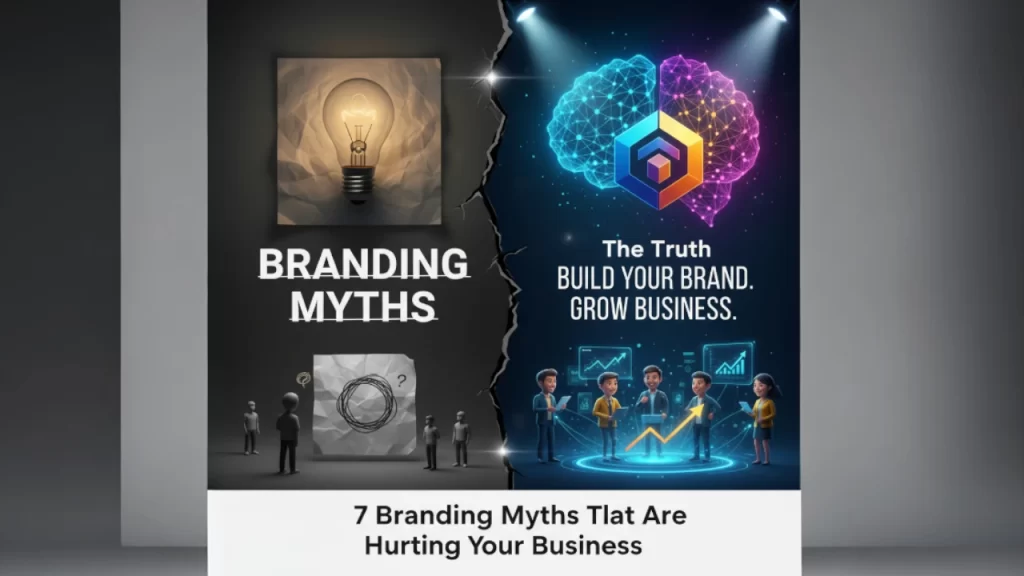
Branding is often misunderstood as just a logo, color scheme, or tagline. The truth? A strong brand shapes perception, builds trust, and drives revenue. Many businesses unknowingly sabotage themselves by falling for common branding myths.
These myths can limit growth, alienate customers, and prevent your business from standing out in a crowded market. Understanding and overcoming these misconceptions is essential for creating a brand that resonates, converts, and thrives.
Myth One: Branding Is Only About the Logo
Many business owners believe that a visually appealing logo equals a strong brand. While a logo is important, it’s only a small piece of the puzzle.
The reality:
- Branding encompasses voice, values, messaging, and customer experience.
- A logo without a consistent brand strategy does little to build recognition or loyalty.
How to overcome it:
- Develop a comprehensive brand strategy that defines your mission, vision, and values.
- Ensure your logo, colors, typography, and design elements align with your brand personality.
Key takeaway: A brand is the sum of every interaction, not just a visual mark.
Myth Two: Branding Is Only for Big Companies
Small and medium businesses often think branding is only for global giants. This misconception prevents startups from investing in brand identity early.
The reality:
- Strong branding gives small businesses a competitive edge.
- It helps you connect with your target audience and stand out in a crowded market.
How to overcome it:
- Create a clear, consistent message that reflects your unique value.
- Leverage affordable branding tools such as social media, website design, and content marketing.
Key takeaway: Branding scales with your business and is essential at every stage.
Myth Three: Brand Loyalty Is Built Overnight
Some think brand loyalty comes instantly after a single purchase or campaign. Loyal customers are not born—they are earned over time.
The reality:
- Loyalty develops through consistent quality, trust, and engagement.
- Inconsistent messaging or poor experiences can break trust quickly.
How to overcome it:
- Maintain consistent messaging across channels.
- Provide exceptional customer service and post-purchase engagement.
- Encourage feedback and adapt based on customer insights.
Key takeaway: Patience, consistency, and care build long-term brand loyalty.
Myth Four: You Should Appeal to Everyone
Trying to please everyone is a common mistake. Brands that attempt to be “all things to all people” often lose identity and clarity.
The reality:
- Successful brands know their target audience intimately.
- Niche targeting fosters stronger emotional connections and drives conversion.
How to overcome it:
- Define your ideal customer persona.
- Craft messaging that speaks directly to this audience.
- Focus marketing efforts where they will have the highest impact.
Key takeaway: Precision beats broad appeal. A focused brand wins trust and recognition.
Myth Five: Branding Doesn’t Impact Revenue
Some entrepreneurs underestimate the financial impact of branding. The truth is that branding directly influences buying decisions.
The reality:
- A strong brand builds perceived value, allowing you to charge premium prices.
- It creates customer loyalty, leading to repeat purchases.
- Effective branding reduces marketing costs by generating organic recognition and referrals.
How to overcome it:
- Measure branding ROI using metrics such as customer retention, conversion rates, and brand awareness.
- Align branding efforts with business objectives to see tangible financial results.
Key takeaway: Branding isn’t cosmetic—it’s strategic and profit-driving.
Myth Six: Your Brand Can Remain Static
Some businesses think once a brand is established, it doesn’t need evolution. In reality, markets, trends, and customer expectations constantly change.
The reality:
- Static brands risk becoming irrelevant or outdated.
- Competitors that evolve maintain market leadership and audience engagement.
How to overcome it:
- Conduct regular brand audits to assess perception and performance.
- Refresh visuals, messaging, or offerings while staying true to core values.
- Monitor competitors and emerging trends to remain relevant.
Key takeaway: A strong brand evolves without losing authenticity.
Myth Seven: Branding Is a One-Time Project
Many business owners treat branding as a single task rather than an ongoing process. This mindset leads to inconsistent experiences and diluted brand equity.
The reality:
- Branding is a continuous effort that requires monitoring, refining, and reinforcing.
- Every customer interaction contributes to brand perception, making ongoing management crucial.
How to overcome it:
- Implement a brand guidelines document for all marketing materials.
- Continuously train staff to embody the brand values in their interactions.
- Track performance using analytics, social listening, and feedback loops.
Key takeaway: Strong brands are nurtured, not created overnight.
How to Build a Brand That Lasts
To overcome these myths and create a powerful brand:
- Define Your Purpose: Understand your mission, vision, and values.
- Know Your Audience: Craft messaging that resonates deeply with your target market.
- Maintain Consistency: Ensure visuals, tone, and experience are cohesive across channels.
- Deliver Value: Focus on quality, service, and customer satisfaction.
- Adapt and Innovate: Stay relevant by evolving with market trends and feedback.
By integrating these principles, businesses can break through common pitfalls and establish a strong, recognizable brand.
FAQs About Branding Myths
Does a small business need professional branding services?
Yes, even small businesses benefit from professional guidance to create consistent and compelling branding.
How long does it take to see results from branding?
Results vary, but consistent efforts in messaging, visuals, and customer engagement often show impact within months.
Can rebranding confuse existing customers?
If done thoughtfully—aligning with your core values and communicating clearly—rebranding strengthens recognition rather than causing confusion.
Is social media enough for branding?
Social media is powerful, but branding requires a holistic approach including website, customer experience, content, and offline touchpoints.
How do I measure if my branding efforts are successful?
Track metrics like brand awareness, engagement, conversion rates, customer retention, and overall revenue growth.
Conclusion: Overcoming Myths to Strengthen Your Brand
Branding is much more than aesthetics—it’s a strategic tool that drives perception, trust, and revenue. By understanding and overcoming common myths, businesses can build a strong, adaptable, and customer-focused brand.
Focus on clarity, consistency, and continuous improvement to ensure your brand stands out, resonates with your audience, and fuels long-term growth.
Remember: A brand is a living entity—it grows, evolves, and strengthens every time you align actions with values.
🔗 Helpful Resources: