![[Brandz] Logo - White](https://brandzbulletin.com/wp-content/uploads/2024/06/Brandz-Logo-White.png)
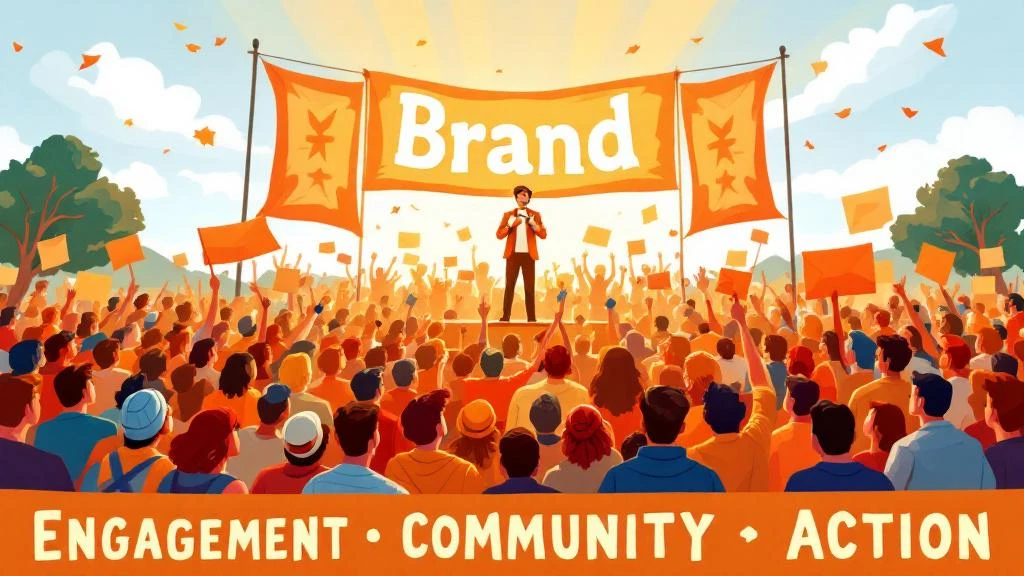
A brand isn’t just a logo or product — it’s a movement. When customers connect emotionally with your mission, they become loyal advocates. This guide explores how to turn your brand into a movement that inspires action, builds community, and drives long-term business growth.
Why Some Brands Become Movements
Some brands inspire massive loyalty, while others struggle to capture attention. What sets them apart?
The answer: purpose and emotional connection.
- Apple isn’t just about electronics; it’s about creativity and challenging the status quo.
- Nike isn’t just about shoes; it’s about empowerment and “Just Do It” mentality.
Movements go beyond products — they connect with values, beliefs, and lifestyles, creating a community of advocates who share your mission passionately.
Step 1: Define a Purpose That Resonates
A movement starts with a clear, meaningful purpose. Customers join movements that align with their values and beliefs.
Best Practices:
- Identify the core reason your brand exists beyond profits.
- Understand what matters to your target audience.
- Focus on solving a meaningful problem or making a positive impact.
💡 Example: Patagonia’s commitment to environmental activism makes their brand a rallying point for eco-conscious customers.
Step 2: Craft a Compelling Brand Story
Humans are wired for stories. Your brand story is the narrative that communicates your purpose, vision, and values.
Best Practices:
- Tell how your brand started, the challenges overcome, and the mission today.
- Highlight the impact your brand has on real people.
- Make your story relatable, authentic, and emotionally engaging.
📖 Example: TOMS Shoes built a movement by telling stories of lives changed through its one-for-one giving model.
Step 3: Build a Community Around Your Brand
A movement thrives when people feel part of something bigger than themselves.
Best Practices:
- Create platforms (online or offline) where customers can engage and share experiences.
- Encourage user-generated content to make them feel involved.
- Highlight customer stories to foster connection and advocacy.
💬 Example: Harley-Davidson created the “H.O.G. Riders Club,” a community that strengthens brand loyalty and identity.
Step 4: Use Emotional Marketing
People buy emotionally and justify with logic. Movements leverage emotional triggers to inspire action.
Best Practices:
- Focus on values, mission, and shared beliefs rather than just product features.
- Use visuals, storytelling, and messaging that evokes strong feelings.
- Celebrate customer achievements and milestones aligned with your brand mission.
❤️ Example: Dove’s “Real Beauty” campaign empowered women and sparked a global conversation, turning a brand into a movement.
Step 5: Deliver Consistent Brand Experience
A movement demands trust and authenticity. Customers must feel that your brand lives its values consistently.
Best Practices:
- Ensure messaging, customer service, and products reflect your mission.
- Align all touchpoints — social media, packaging, advertising — with your core values.
- Be transparent about successes, challenges, and company decisions.
🔑 Consistency reinforces your purpose and makes your movement credible.
Step 6: Engage Influencers and Advocates
Movements grow faster when amplified by voices people trust.
Best Practices:
- Identify influencers whose values align with your brand.
- Collaborate on campaigns that feel authentic, not promotional.
- Encourage customers to share experiences and refer friends.
📣 Example: Patagonia leverages environmental activists to amplify their mission, creating a ripple effect in the community.
Step 7: Leverage Social Media to Amplify Your Message
Social media is the digital stage for modern brand movements.
Best Practices:
- Use platforms to tell stories, share updates, and celebrate community wins.
- Encourage hashtags and user-generated content to spread the message.
- Engage actively with followers to make them feel heard and valued.
🌐 Example: Glossier built a movement by turning customers into co-creators and social media advocates.
Step 8: Stand for Something Bold
Movements aren’t neutral — they stand for beliefs that resonate with the audience.
Best Practices:
- Identify causes that align with your mission.
- Take a stance on issues that matter to your community.
- Be willing to lead discussions even if controversial — authenticity attracts loyalty.
🔥 Example: Ben & Jerry’s advocacy for social justice has reinforced their brand mission and attracted passionate followers.
Step 9: Make Participation Easy
Customers should actively contribute to the movement.
Best Practices:
- Launch campaigns or challenges that invite participation.
- Create ways for customers to contribute to social impact projects.
- Reward engagement to encourage continued participation.
💡 Example: LEGO Ideas platform allows fans to submit designs, vote, and see their ideas produced — creating ownership and excitement.
Step 10: Measure Impact and Adapt
A movement requires continuous growth and adaptation.
Best Practices:
- Track engagement metrics, social shares, and community growth.
- Survey participants for feedback.
- Adapt campaigns based on trends while staying true to core values.
📊 Measuring impact ensures your movement remains relevant and inspiring.
Benefits of Turning Your Brand Into a Movement
- Customer Loyalty: Movement participants become lifelong advocates.
- Organic Growth: Community-driven promotion reduces marketing costs.
- Brand Authority: Leading a movement positions your brand as a thought leader.
- Impact Beyond Profit: Movements create social or emotional impact alongside business success.
External Sources for Credibility
- Harvard Business Review – Brands That Inspire Movements
- Forbes – Building a Brand Movement
- Inc. – How to Turn Customers Into Advocates
Internal Link Suggestions (for a branding or marketing website)
- “Building an Unstoppable Brand Identity in 2025”
- “Top 10 Marketing Strategies That Build Customer Loyalty”
- “The Power of Storytelling in Modern Branding”
Frequently Asked Questions (FAQs)
1. What’s the difference between a brand and a movement?
A brand is a product or service identity, while a movement inspires emotional connection, community, and shared purpose.
2. How long does it take to turn a brand into a movement?
It depends on consistency, engagement, and emotional connection; meaningful movements often take years to solidify.
3. Can small businesses create movements?
Absolutely. Movements start with purpose, story, and community — not company size.
4. How do I measure the success of a brand movement?
Track engagement, community growth, user-generated content, social shares, and customer loyalty.
5. What industries benefit most from brand movements?
Any industry can benefit, especially those where customer values align with purpose-driven messaging — fashion, food, tech, wellness, and lifestyle.
Conclusion: Inspire Action, Build Loyalty, and Lead a Movement
Your brand isn’t just a product — it’s a platform for change and connection.
By defining a purpose, telling authentic stories, and fostering community engagement, you can turn your brand into a movement that customers can’t ignore.
When your audience feels emotionally connected, they become advocates, ambassadors, and loyal customers — transforming your brand into an unstoppable force.
Start small, stay consistent, and watch your brand grow beyond business — into a movement that inspires, influences, and lasts.