![[Brandz] Logo - White](https://brandzbulletin.com/wp-content/uploads/2024/06/Brandz-Logo-White.png)
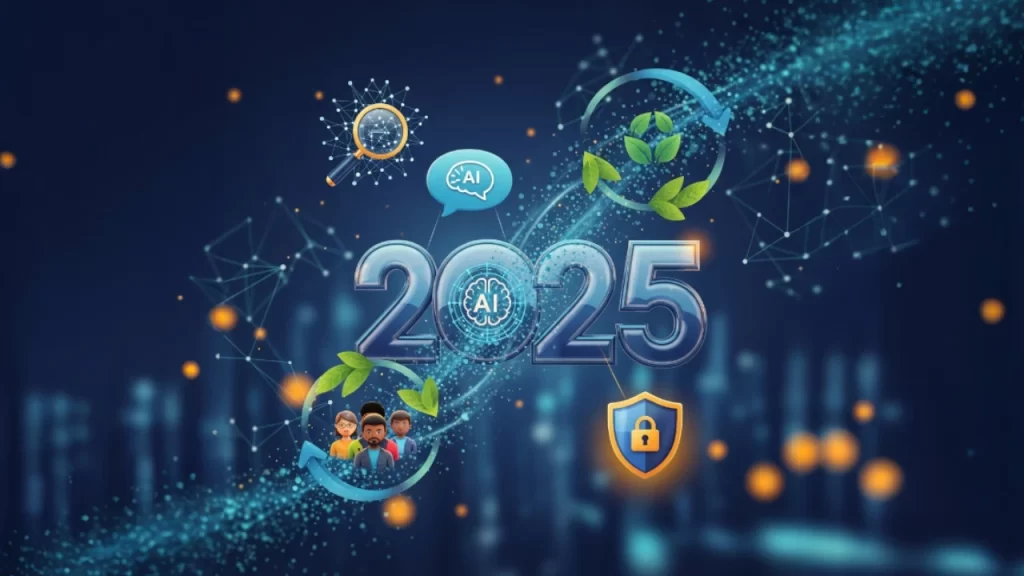
In a hyper-connected world, a brand isn’t just a logo—it’s an experience, a story, and a promise. Staying ahead of brand management trends ensures:
- Stronger audience engagement
- Competitive differentiation
- Increased brand loyalty
- More effective marketing strategies
Brands that adapt to evolving trends can strengthen their presence, create lasting relationships with customers, and maximize long-term growth.
Trend 1: Hyper-Personalization Through AI
AI and machine learning are transforming how brands interact with audiences. Hyper-personalization tailors experiences based on data-driven insights.
How AI Drives Brand Personalization
- Predicts customer preferences and behavior
- Creates personalized content, offers, and recommendations
- Enhances customer service with AI-powered chatbots
- Improves ad targeting for higher ROI
In 2025, brands that leverage AI to deliver individualized experiences will stand out in crowded markets.
Trend 2: Sustainability as a Core Brand Value
Consumers increasingly demand brands to be environmentally and socially responsible. Sustainability is no longer optional—it’s a strategic differentiator.
How Brands Embrace Sustainability
- Eco-friendly packaging and supply chains
- Transparent reporting on environmental impact
- Purpose-driven campaigns highlighting social responsibility
- Supporting causes aligned with brand values
Brands that demonstrate authentic sustainability gain customer trust, loyalty, and advocacy.
Trend 3: Immersive Brand Experiences
The rise of AR, VR, and interactive content is changing how consumers experience brands. Immersive experiences create deeper connections and memorable interactions.
Examples of Immersive Branding
- Virtual product try-ons
- 360-degree video marketing
- Augmented reality apps for in-store or online engagement
- Interactive brand storytelling
Brands that invest in immersive experiences can boost engagement and increase conversions.
Trend 4: Influencer and Community-Led Branding
Influencer marketing continues to evolve. In 2025, micro-communities and authentic voices will dominate brand messaging.
Key Strategies
- Partner with niche influencers for targeted impact
- Build brand communities that foster loyalty and advocacy
- Encourage user-generated content for authenticity
- Align influencer campaigns with brand values
Authenticity and trust are critical—brands that ignore this risk losing audience engagement.
Trend 5: Purpose-Driven Branding
Consumers want brands that stand for something beyond profits. Purpose-driven branding aligns business goals with social impact.
Why Purpose Matters
- Increases brand loyalty and emotional connection
- Attracts conscious consumers
- Enhances brand reputation
- Differentiates in competitive markets
Purpose-driven campaigns that are authentic and actionable resonate more deeply than traditional advertising.
Trend 6: Voice and Conversational Branding
Voice search, smart speakers, and AI assistants are changing brand interactions. Conversational branding allows businesses to engage customers naturally and in real time.
Implementing Conversational Branding
- Optimize content for voice search
- Use AI chatbots for personalized interactions
- Develop voice-friendly customer experiences
- Integrate conversational marketing into omnichannel strategies
Brands that master conversational engagement can increase accessibility and customer satisfaction.
Trend 7: Data Privacy and Ethical Branding
With growing privacy regulations, transparent and ethical brand practices are essential. Consumers value brands that protect their data and act responsibly.
Strategies for Ethical Branding
- Transparent data collection policies
- Compliance with GDPR, CCPA, and emerging privacy laws
- Communicate ethical practices in marketing campaigns
- Build trust through transparency and accountability
In 2025, trust will be a key differentiator, and brands ignoring privacy risk reputational damage.
Trend 8: Cross-Platform and Omnichannel Consistency
Brand consistency across channels is critical in 2025. Customers interact with brands on social media, websites, apps, and in-store.
How to Maintain Consistency
- Unified visual identity and messaging
- Integrated marketing campaigns across all touchpoints
- Centralized brand guidelines for teams and partners
- Monitor customer feedback to ensure consistent experiences
Consistent branding strengthens recognition, trust, and customer loyalty.
Trend 9: Experiential Storytelling
Storytelling remains a powerful branding tool, but in 2025 it’s evolving to be more immersive, interactive, and emotionally resonant.
Techniques for Effective Storytelling
- Use video and live streaming to engage audiences
- Leverage data to tell personalized brand stories
- Encourage user-generated storytelling
- Highlight brand impact and customer success
Experiential storytelling transforms passive audiences into engaged brand advocates.
Trend 10: Agile Brand Strategy
Rapid market changes demand agility. Brands must adapt quickly to trends, customer behavior, and cultural shifts.
Components of Agile Brand Management
- Continuous market research and trend analysis
- Flexible marketing campaigns
- Quick iteration of product or service offerings
- Data-driven decision-making
Agility ensures brands remain relevant, responsive, and competitive.
Internal Link Suggestions
- How to Build a Strong Brand Identity
- Digital Marketing Trends That Will Dominate 2025
- Using AI for Personalized Customer Experiences
- Sustainable Marketing Strategies for Modern Brands
External Authoritative Sources
- Forbes: Brand Management Trends 2025
- Harvard Business Review: Building Purpose-Driven Brands
- McKinsey & Company: The Future of Customer Experience
FAQs
What is hyper-personalization in branding?
Hyper-personalization uses AI and data analytics to deliver individualized experiences, offers, and content to customers.
Why is sustainability important for brands in 2025?
Consumers increasingly prefer brands that demonstrate environmental and social responsibility, influencing purchase decisions and loyalty.
How can small businesses implement immersive brand experiences?
Even small businesses can use AR filters, 360-degree content, or interactive social campaigns to engage audiences creatively.
What role do influencers play in modern brand management?
Influencers build trust, extend reach, and create authentic connections between brands and niche communities.
Why is agile brand strategy critical?
Agility allows brands to respond quickly to market shifts, customer expectations, and emerging trends, keeping them relevant and competitive.
Conclusion
2025 will be a transformative year for brand management. Businesses that embrace AI-driven personalization, purpose-driven initiatives, immersive experiences, and ethical practices will dominate the market. Staying agile, authentic, and customer-focused is essential for building brand loyalty, enhancing engagement, and driving sustainable growth.