![[Brandz] Logo - White](https://brandzbulletin.com/wp-content/uploads/2024/06/Brandz-Logo-White.png)
Data analysts, product marketers, and market researchers face mounting frustrations with traditional market research methods. Manual surveys and sporadic focus groups yield outdated consumer insights, while static reports obscure evolving competitor strategies. These approaches lead to misguided brand positioning, inefficient budgets, and missed opportunities in fast-paced 2026 markets.
Legacy techniques struggle with scale and speed. Infrequent qualitative research via interviews captures anecdotes but lacks breadth, and quantitative research often relies on small samples prone to bias. Result? Decisions based on hunches rather than robust data, risking low ROAS and suboptimal CLV as highlighted in data-driven marketing insights.
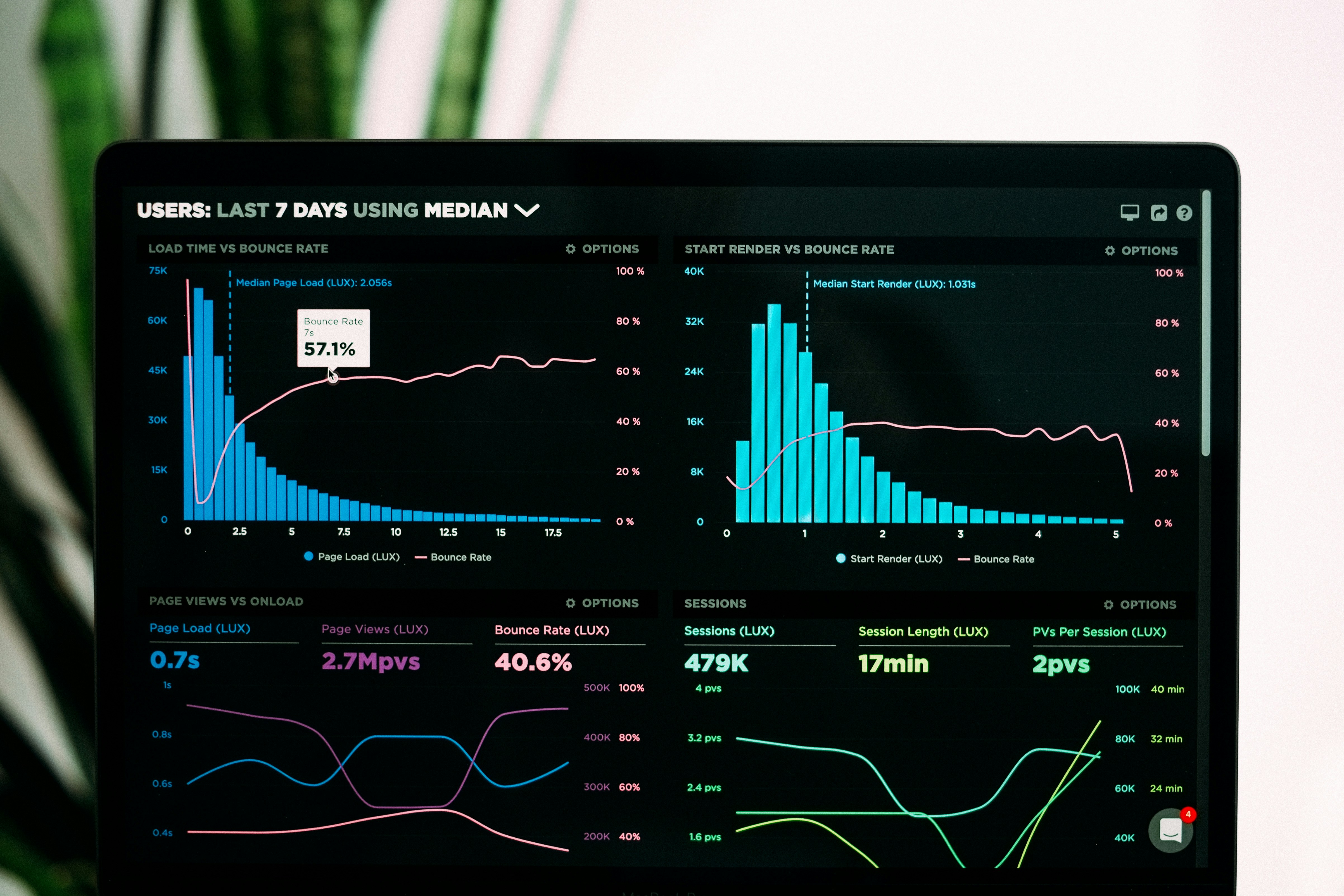
Modern market research methods transform this landscape. AI-enhanced market research surveys and social listening provide real-time consumer insights across 150+ million respondents. Tools like Power BI and Python enable seamless data analytics, uncovering patterns in behaviors and preferences.
For competitive analysis, step-by-step guides incorporate SWOT analysis and Porter’s Five Forces with Semrush for benchmarking. Competitor benchmarking reveals gaps in offerings, informing precise data-driven decisions.
These evolved qualitative research and quantitative research methods—fueled by market research tools and data analytics tools—empower teams to achieve superior brand decisions. Expect enhanced audience segmentation, agile pivots, and measurable growth, bridging insights to revenue.
Top Market Research Methods for Gathering Consumer Insights in 2026
Market research methods in 2026 prioritize efficiency and depth for consumer insights. Surveys lead as the cornerstone, delivering scalable quantitative research. Platforms like Pollfish enable rapid deployment across demographics, capturing behaviors and preferences with high response rates. AI optimizes question design, reducing bias and boosting completion.
Interviews provide qualitative research depth, uncovering motivations behind survey data. One-on-one sessions reveal nuanced pain points, ideal for refining brand positioning. Attest’s guide highlights structured interviews alongside focus groups, where group dynamics surface collective sentiments.
Focus groups blend qual and quant, fostering discussions on prototypes or campaigns. Moderated sessions yield rich narratives, validated by follow-up polls for statistical weight.
Evolving qualitative research integrates social listening for real-time consumer insights, tracking unprompted feedback on platforms. Quantitative research advances with data analytics tools like Power BI, analyzing large datasets for patterns.
Qualtrics-style tools combine methods, offering seamless qual/quant workflows. These market research methods—surveys, interviews, focus groups—equip data analysts with quick wins. Uncover customer behaviors efficiently, informing data-driven decisions on product development and marketing strategies.
Hybrid approaches, blending market research surveys with analytics, ensure comprehensive insights. Teams achieve precise audience segmentation, elevating competitive analysis and brand decisions.
Competitive Analysis Frameworks and Data-Driven Brand Decisions
Competitive analysis frameworks elevate market research methods, transforming consumer insights into data-driven brand decisions. In 2026, data analysts leverage structured approaches for precise competitor evaluation, as detailed in ALM Corp’s step-by-step guide.
Step 1: Define Scope. Align analysis with goals like product launch or pricing strategy to focus efforts.
Step 2: Identify Competitors. Use Semrush Market Overview for direct rivals via keyword overlap and indirect threats from review sites like G2.
SWOT Analysis: Apply to rivals and your brand.
- Strengths: Strong branding, tech edge.
- Weaknesses: Service gaps, outdated features.
- Opportunities: Market gaps, trends.
- Threats: Regulatory shifts, entrants.
Visualize in matrices for quick pattern spotting, integrating qualitative research from focus groups.
Porter’s Five Forces: Assess industry dynamics.
- Rivalry: Competitor density.
- New Entrants: Barriers.
- Buyer Power: Switching ease.
- Supplier Power: Dependency.
- Substitutes: Alternatives.
Semrush provides traffic, backlink data for benchmarking, revealing share-of-voice.
Incorporate KPIs: Track ROAS (revenue per ad dollar) and CLV (lifetime value) per Improvado insights. Link competitor gaps to performance: High rival ROAS signals effective channels to counter.
Translate to Actions: Exploit weaknesses via targeted brand positioning—e.g., emphasize superior UX. Use data analytics tools like Power BI for dashboards merging survey data with competitor metrics.
Market research surveys validate positioning tweaks. Competitor benchmarking via reviews uncovers unmet needs, ensuring agile pivots. These frameworks drive superior decisions, optimizing budgets and growth.
Sources
- https://www.askattest.com/blog/guides/market-research-methods
- https://almcorp.com/blog/competitive-analysis-guide/
- https://www.philomathresearch.com/blog/2026/03/26/how-qualitative-and-quantitative-market-research-is-evolving-in-2026/
- https://improvado.io/blog/data-driven-marketing-decisions
- https://www.brandesigners.com/insights/data-driven-marketing-strategy/
- https://pwskills.com/blog/the-11-best-data-analytics-tools-for-data-analysts-in-2026/
- https://www.pollfish.com/resources/blog/market-research/market-research-tools/
- https://www.gwi.com/blog/market-research-tools
- https://biobrain.io/blog/top-5-market-research-tools-shaping-2026
- https://www.eicta.iitk.ac.in/knowledge-hub/data-analytics/data-analysis-techniques