![[Brandz] Logo - White](https://brandzbulletin.com/wp-content/uploads/2024/06/Brandz-Logo-White.png)

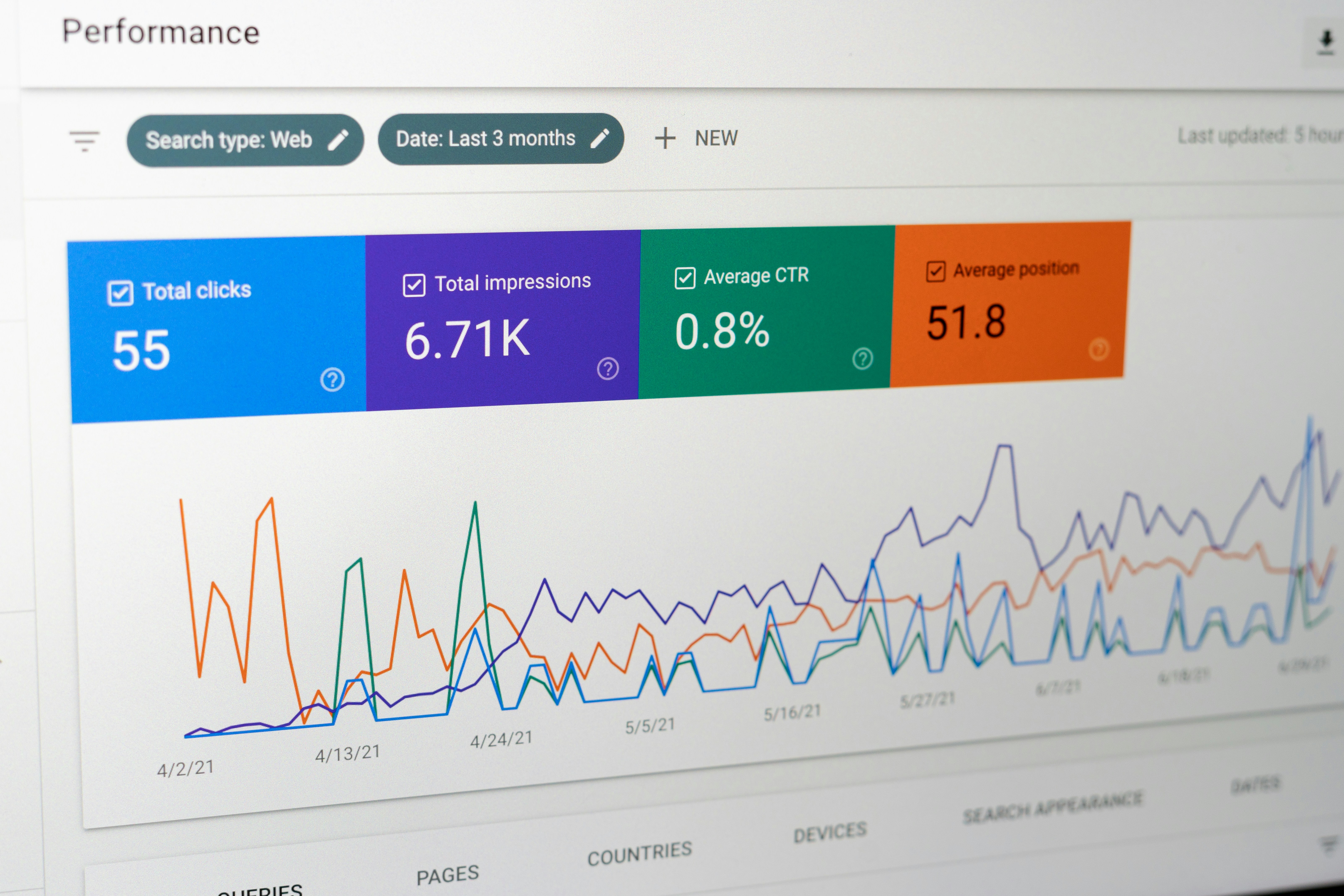
Legacy systems trap operations directors and IT leaders in high costs and slow processes that limit growth. Outdated platforms create bottlenecks where maintenance consumes up to 70 percent of IT budgets, leaving little room for innovation. Recent 2026 survey data shows AI adoption has doubled among enterprises that have started legacy system modernization, while laggards fall further behind on productivity metrics. 2026 survey data showing AI adoption doubling
Common assumptions that digital transformation requires enormous upfront spending are outdated. Practical guides demonstrate that AI-powered approaches enable phased transitions using cloud architectures to cut risk and deliver quick operational wins. Traditional business owners can therefore modernize without halting daily work.
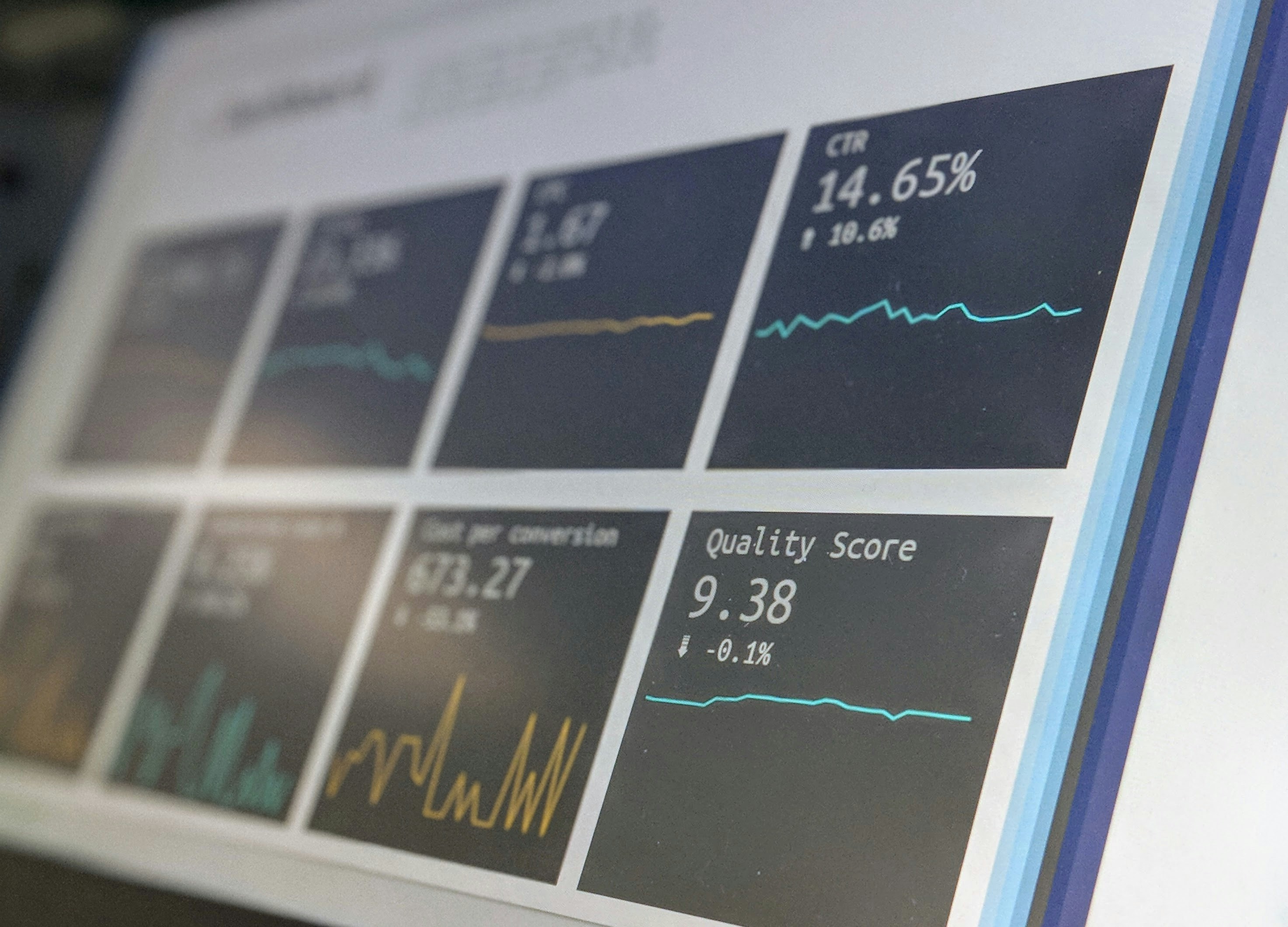
The measurable outcomes are compelling. Digital leaders who invest strategically report significantly higher ROI than peers, with productivity gains doubling through targeted AI integration legacy systems. Detailed 2025 ROI metrics Case studies highlight examples of 333 percent returns when modernization initiatives are executed well. Case studies with specific ROI figures
By embracing enterprise digital transformation trends, organizations replace friction with speed, visibility, and scalable processes that support sustained competitive advantage.
Real-World AI Integration Examples Delivering 300%+ ROI
Traditional businesses have achieved substantial returns by pursuing legacy system modernization. One manufacturer replaced its aging inventory system with an AI-powered platform that cut stockouts by 60 percent and boosted order fulfillment speed. The project delivered a 333 percent ROI within 18 months through careful AI integration legacy systems. digital transformation case studies
A logistics firm integrated AI tools into legacy operations to automate route planning and predictive maintenance. Operations directors reported 40 percent productivity gains and reduced downtime by half after adopting digital tools in 2026. These quick wins stemmed from phased approaches rather than full rip-and-replace efforts.
Retail chains modernizing legacy operations with cloud-based AI platforms saw sales forecasting accuracy rise dramatically. One chain achieved triple-digit ROI by connecting old point-of-sale data to real-time analytics. Enterprise digital transformation trends show that companies using vendor-supported approaches shortened timelines by 30 percent. AI-driven approaches accelerating legacy modernization timelines
Another example involves a food processor that used AI-powered legacy modernization to migrate compliance systems. The result was faster audits and lower regulatory risk, generating over 300 percent return on investment.
Banking institutions have also succeeded with similar strategies. By applying AI to legacy system modernization, they reduced processing times for transactions by 50 percent while improving compliance accuracy. The combination of new digital tools and existing data delivered measurable operational ROI in under a year.
These cases prove that targeted digital tools adoption 2026 allows traditional business owners to realize rapid value without massive disruption. Legacy modernization ROI case studies consistently highlight the importance of starting small and scaling proven AI models across departments. Operations directors who focus on high-impact areas first see faster payback and build internal support for broader initiatives.
Step-by-Step Legacy Modernization Roadmap for 2026
To begin legacy system modernization, IT leaders and operations directors must first audit their current infrastructure thoroughly. Map all systems and identify integration points where AI can add value. This step uncovers hidden costs and prevents surprises during later phases. 2026 market analysis on legacy modernization trends
Second, define clear objectives tied to business outcomes like reduced downtime or faster reporting. Choose platforms that support AI integration legacy systems while maintaining compatibility with existing data sources. Avoid rushing this planning phase to ensure alignment with enterprise digital transformation trends.
Third, implement a pilot project focused on one high-impact area such as supply chain optimization. Deploy AI-powered legacy modernization tools in a controlled environment. Track metrics including ROI and user adoption rates over a 60 to 90 day period.
Fourth, address common pitfalls by involving end users early and providing comprehensive training. Scale only after validating results from the pilot. Modernizing legacy operations requires patience and iterative refinements based on feedback.
Finally, establish governance for ongoing maintenance and updates. Partner with experienced providers to accelerate timelines when needed. This structured approach enables traditional business owners to adopt digital tools effectively and sustain productivity improvements throughout 2026.
Business owners should also evaluate potential barriers early using market analysis on adoption challenges. Integrate feedback loops to refine strategies continuously. The entire process rewards methodical execution over rushed implementations.
Consistent application of these steps positions organizations for long-term success in digital transformation operations directors and IT leaders seek. Track progress against initial goals to validate the benefits of modernizing legacy operations.
Sources
- https://www.teksystems.com/en-cn/insights/state-of-digital-transformation-2026
- https://keyholesoftware.com/legacy-modernization-trends
- https://dataforest.ai/blog/embracing-the-digital-revolution-key-trends-shaping-business-in-2025
- https://www.teksystems.com/en/insights/state-of-digital-transformation-2025
- https://blog.guldstreet.com/digital-transformation-case-study-and-success-stories-what-the-30-who-win-do-differently
- https://kissflow.com/digital-transformation/digital-transformation-case-studies
- https://www.trootech.com/blog/legacy-system-modernization
- https://www.sphereinc.com/blogs/ai-powered-legacy-odernization
- https://www.technology.org/2026/04/20/best-7-legacy-system-modernization-companies-in-2026
- https://takdevs.com/slow-digital-transformation-how-to-escape-the-legacy-systems-trap-in-2026