![[Brandz] Logo - White](https://brandzbulletin.com/wp-content/uploads/2024/06/Brandz-Logo-White.png)
Stagnant brand visuals quickly erode audience trust. When logos, color palettes, and layouts remain unchanged for years, they signal complacency rather than innovation. Graphic designers, creative directors, and brand managers notice this disconnect first. Audiences scroll past familiar designs without engagement, reducing recall and loyalty.
The solution lies in embracing graphic design trends 2026. These shifts prioritize human-first approaches that feel authentic and intentional. Human-first design trends show that imperfect, hand-crafted elements build deeper connections than polished AI outputs alone.
Start by auditing current assets against 2026 design trends for brands. Identify outdated minimalism that lacks warmth or motion. Replace static elements with subtle animations and expressive typography. Modular brand strategy frameworks allow scalable updates without full rebrands.
Apply minimalism in branding 2026 with purpose. Use limited color palettes 2026 branding that evoke emotion while maintaining accessibility. Test motion graphics brand visuals on social platforms to boost dwell time.
Visual identity tips for designers include layering textures and balancing retro-futuristic cues with clean layouts. This creates memorable brand aesthetics that adapt across channels. Regular measurement of engagement metrics confirms the refresh works.
According to recent analyses, brands that refresh visuals see higher engagement rates. Incorporate sustainable elements and avoid overused gradients from prior years. Use brand visual identity frameworks to guide every decision from typography to icon sets. Human-first design trends emphasize storytelling through visuals that reflect real user experiences. Creative teams benefit from testing multiple variants with audience feedback loops. This systematic approach ensures the updated aesthetics remain relevant longer and deliver lasting impact. Teams see improved results quickly.
Top 2026 Design Trends Shaping Brand Visual Identity
Human-first minimalism leads graphic design trends 2026 by replacing sterile layouts with intentional imperfections. Brands such as Who Gives A Crap apply hand-drawn typography and awkward spacing that feel genuinely crafted. This creates immediate relatability for audiences tired of algorithmic perfection.
Motion graphics brand visuals add life through morphing shapes and microinteractions. Social feeds reward short animations that guide attention without overwhelming content. Performance stays light when designers use vector-based tools for quick loading.
Expressive typography becomes the hero element in 2026 design trends for brands. Campaigns stretch, overlap, and animate letters to match brand personality. Heavy display fonts pair with clean body text to maintain readability across screens.
Dopamine colors use saturated palettes that spark joy and urgency. Starface skincare owns a single neon yellow that transforms packaging into a statement piece. Warm neutrals ground these bright accents for balanced emotional impact.
Brand visual identity frameworks support these shifts by providing modular templates. Teams update color palettes 2026 branding or motion elements without breaking consistency. Human-first design trends encourage diverse illustration styles that reflect real user stories.
Visual identity tips for designers stress early audience testing. Prototypes with expressive type and motion graphics brand visuals reveal what resonates. Memorable brand aesthetics result from deliberate choices that align visuals with core values and audience expectations.
Sustainable practices avoid outdated glossy effects in favor of tactile textures. This combination of trends delivers fresh, engaging identities that perform across digital and print channels. Creative directors leverage these quick wins to refresh campaigns efficiently while maintaining strategic alignment with brand visual identity frameworks.
Brand Strategy Frameworks and Common Visual Mistakes to Avoid
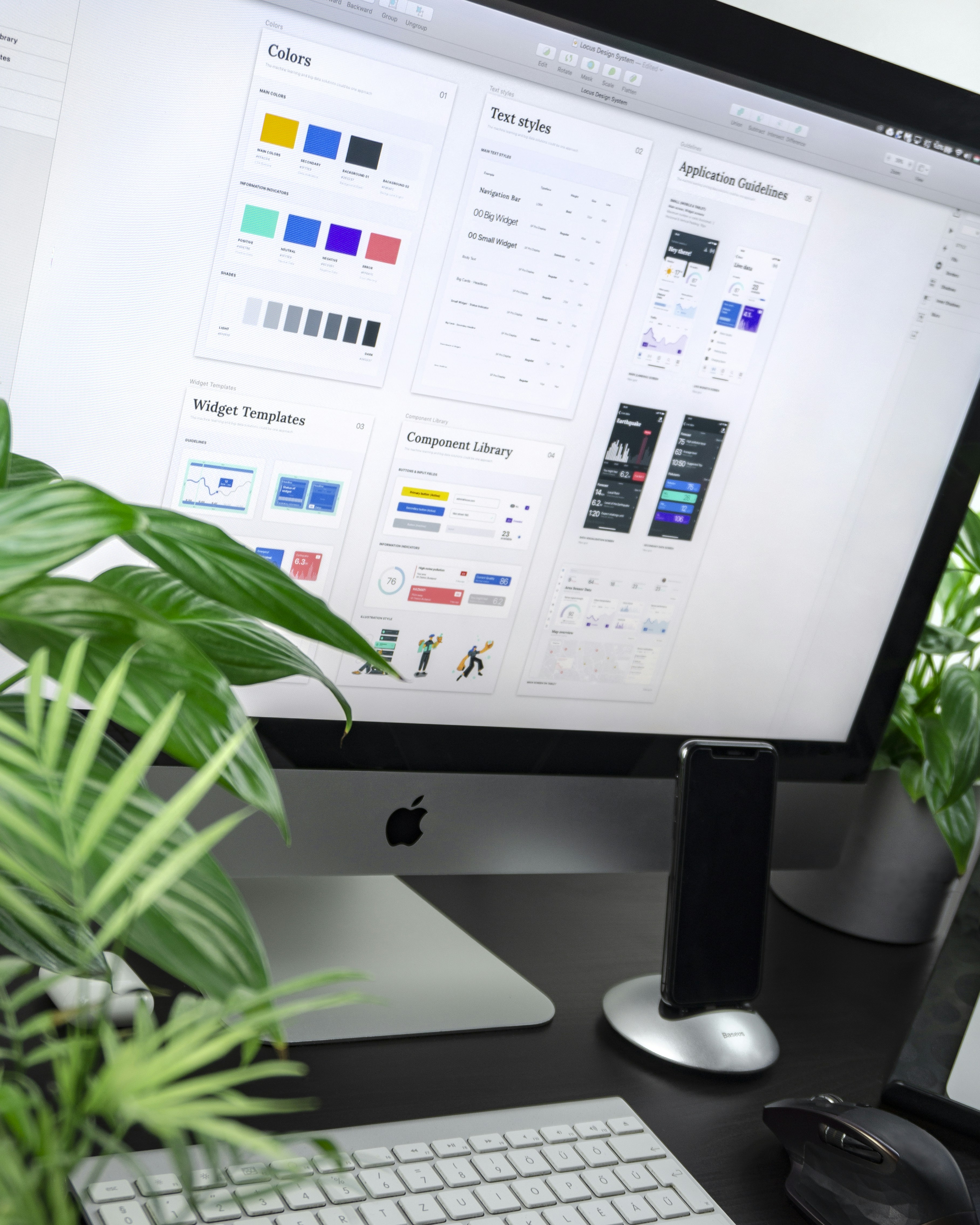
Effective brand visual identity frameworks translate strategy into consistent visuals. Begin with audience research to identify core personality traits. Next map these traits to color palettes 2026 branding and typography choices. Then create modular systems that scale across touchpoints while preserving minimalism in branding 2026.
Common mistakes include inconsistent logo usage that weakens recognition. Ignoring accessibility guidelines reduces reach and violates standards. Overloading designs with motion graphics brand visuals without purpose creates fatigue instead of engagement.
Human-first design trends succeed only when grounded in research rather than fleeting fads. Test every element with real users before rollout.
How do teams implement these frameworks quickly? Start with a one-page brief that lists approved colors, fonts, and motion rules. What happens when accessibility is overlooked? Engagement drops and legal risks rise. How often should visuals update under graphic design trends 2026? Review annually or after major business shifts.
Apply visual identity tips for designers by documenting decisions in shared templates. This prevents drift and supports memorable brand aesthetics across campaigns. 2026 design trends for brands reward intentional choices over random experimentation.