Many direct-to-consumer brands face persistent challenges with customer retention and online sales performance. Low repeat purchase rates and high cart abandonment plague even well-funded operations. These issues stem from generic customer experiences that fail to create emotional connections or streamline the buying journey.
This guide is designed specifically for DTC founders, e-commerce managers, and online retailers looking to reverse these trends. It delivers actionable frameworks that have helped similar businesses increase loyalty and sales efficiency.
Implementing proven e-commerce branding strategies can deliver measurable results. Brands that focus on retention see average order values rise and acquisition costs drop significantly. Concrete outcomes include higher lifetime customer value and improved storefront performance through tested tactics. Data from 2026 reports confirm these gains for brands adopting the right approaches.
The sections ahead cover unboxing experience optimization to foster lasting impressions, digital storefront conversions via AI personalization and social proof, and methods for building brand loyalty in DTC through community and personalization. Sustainable unboxing experiences and personalized packaging for ecommerce further drive repeat purchases based on recent market data.
Ecommerce conversion rate optimization techniques, including checkout refinements and storytelling, provide additional levers for growth. By the end of this resource, readers will have clear steps to apply these e-commerce branding strategies immediately.
Unboxing Experiences That Turn Buyers into Loyal Fans
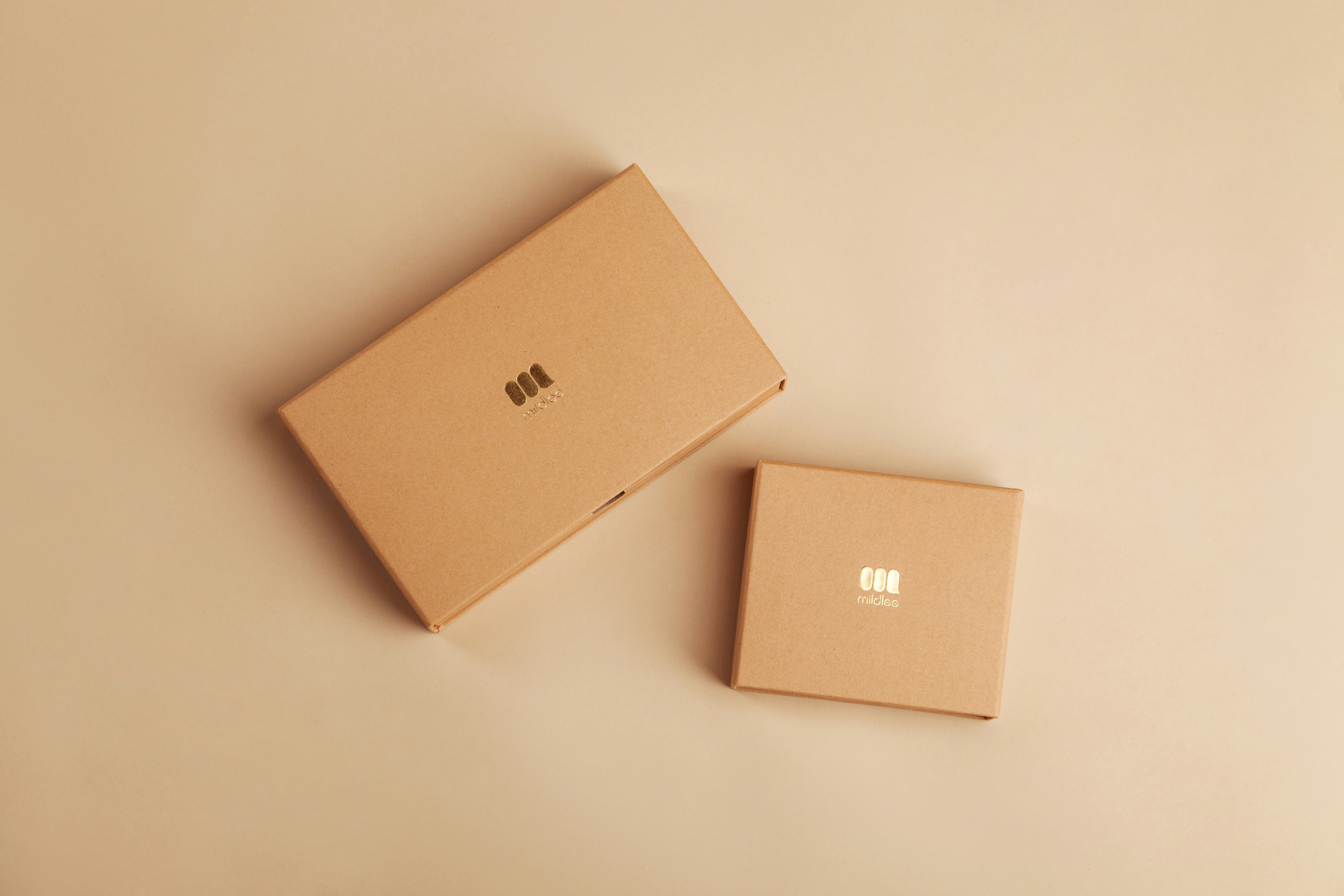
Unboxing experiences play a pivotal role in e-commerce branding strategies by creating memorable first impressions that encourage repeat business. Brands incorporating sustainable packaging and discounts see stronger customer loyalty according to 2025 surveys. Shoppers increasingly seek value in these moments, making packaging a key differentiator for retention. e-commerce shoppers seek value
Personalized packaging for ecommerce has surged in popularity, driving repeat purchases through unique touches like custom notes or branded inserts. Market analysis shows this trend accelerating in 2025 as D2C brands compete for attention. personalised packaging market
Effective unboxing experience optimization includes elements such as high-quality materials, thoughtful product arrangement, and eco-friendly options that align with buyer values. These tactics build emotional connections beyond the product itself. Updated trends from early 2026 emphasize personalization to make each unboxing feel exclusive. how to create the perfect unboxing experience
DTC founders benefit when they integrate these into their overall e-commerce branding strategies to foster DTC brand loyalty. Sustainable unboxing experiences not only reduce environmental impact but also appeal to conscious consumers, leading to higher retention rates. Community building through shared unboxing content on social platforms amplifies reach and trust.
Storytelling through packaging, such as including brand origin stories or usage tips, enhances the perceived value. Social proof elements like customer testimonials on inserts can further boost conversions. AI personalization for ecommerce allows dynamic customization based on customer data, creating tailored experiences that stand out.
By focusing on these details, online retailers achieve better building brand loyalty in DTC and improved digital storefront conversions. The market data supports that personalized approaches lead to measurable increases in repeat purchases and positive word-of-mouth. Ecommerce conversion rate optimization benefits directly from these enhanced post-purchase moments that turn one-time buyers into advocates.
Proven Tactics to Boost Digital Storefront Conversions
E-commerce branding strategies succeed when paired with targeted conversion tactics. Start by adding social proof elements such as reviews and testimonials on product pages to build immediate trust. Storytelling that highlights brand values further engages visitors and reduces bounce rates.
Next, implement AI personalization for ecommerce by using data-driven recommendations and dynamic content. This approach tailors the shopping experience to individual preferences, lifting conversion rates according to 2026 playbooks. ecommerce digital marketing strategy
Optimize checkout flows with fewer steps and clear progress indicators. AOV tactics like bundled offers and upsells during checkout have proven effective for DTC brands. how to improve e-commerce conversion rates
Common mistakes include ignoring mobile optimization and overloading pages with features that slow load times. Avoid these by testing regularly and focusing on user feedback.
Next steps involve auditing current storefronts for social proof gaps, integrating personalization tools, and measuring results against industry benchmarks. Case studies show brands using these methods achieve sustained growth in digital storefront conversions. ecommerce marketing
Apply 25 practical tips including urgency cues and clear calls-to-action to see immediate lifts. increase ecommerce conversions These e-commerce branding strategies create compounding benefits when executed consistently across the customer journey.
Sources
- https://parahgroup.com/blogs/boost-average-conversion-rates-in-e-commerce-proven-strategies-for-dtc-brands
- https://finance.yahoo.com/news/e-commerce-shoppers-seek-value-115900809.html
- https://www.zoho.com/commerce/academy/ecommerce-digital-marketing-strategy.html
- https://www.materialogic.com/blog/how-to-create-the-perfect-unboxing-experience
- https://www.adaptiveus.com/blog/ecommerce-marketing-strategies-2026
- https://finance.yahoo.com/news/u-personalised-packaging-market-surge-140000173.html
- https://dokan.co/blog/503418/increase-ecommerce-conversions
- https://parahgroup.com/blogs/how-to-improve-e-commerce-conversion-rates-key-strategies-for-dtc-brands
- https://wizart.ai/blog/e-commerce-trends-for-conversion-rate-boost
- https://www.bigcommerce.com/articles/ecommerce/ecommerce-marketing