![[Brandz] Logo - White](https://brandzbulletin.com/wp-content/uploads/2024/06/Brandz-Logo-White.png)
Introduction to E-commerce Branding
In the fast-paced world of e-commerce, standing out from the competition is crucial. Effective branding is one of the most powerful tools at your disposal to create a memorable and impactful presence in the market. This comprehensive guide explores powerful e-commerce branding methods that can elevate your brand, build customer loyalty, and drive growth.
Understanding E-commerce Branding
What is E-commerce Branding?
E-commerce branding involves creating a unique identity and image for your online business. It encompasses various elements such as your brand name, logo, color scheme, typography, voice, and overall aesthetic. Successful branding helps distinguish your business from competitors and establishes a strong connection with your target audience.
Importance of E-commerce Branding
Branding is vital for several reasons:
- Recognition: A strong brand is easily recognizable, which helps attract and retain customers.
- Trust: Effective branding builds trust and credibility, essential for converting visitors into customers.
- Loyalty: Consistent branding fosters customer loyalty and encourages repeat purchases.
- Differentiation: Branding sets your business apart from competitors in a crowded market.
- Emotional Connection: Branding helps create an emotional connection with customers, enhancing their overall experience.
Key Elements of E-commerce Branding
Brand Identity
1. Brand Name:
Choose a memorable and relevant brand name that reflects your business values and resonates with your target audience.
2. Logo Design:
Design a simple, scalable, and versatile logo that represents your brand. Your logo should be recognizable and work well across various platforms and materials.
3. Color Palette:
Select a color palette that aligns with your brand personality. Colors evoke emotions and can influence customer perceptions.
4. Typography:
Choose fonts that are legible and consistent with your brand’s aesthetic. Typography plays a crucial role in conveying your brand message.
Brand Voice and Messaging
1. Tone of Voice:
Define a consistent tone of voice that reflects your brand’s personality. Whether it’s casual, professional, or playful, ensure your messaging is coherent across all channels.
2. Key Messages:
Develop key messages that communicate your brand’s values, mission, and unique selling points. These messages should be clear, concise, and consistent.
Visual and Content Strategy
1. Imagery:
Use high-quality images that align with your brand’s aesthetic. Consistent imagery enhances brand recognition and visual appeal.
2. Content:
Create valuable and engaging content that resonates with your audience. This includes blog posts, social media updates, videos, and infographics.
User Experience (UX) and Design
1. Website Design:
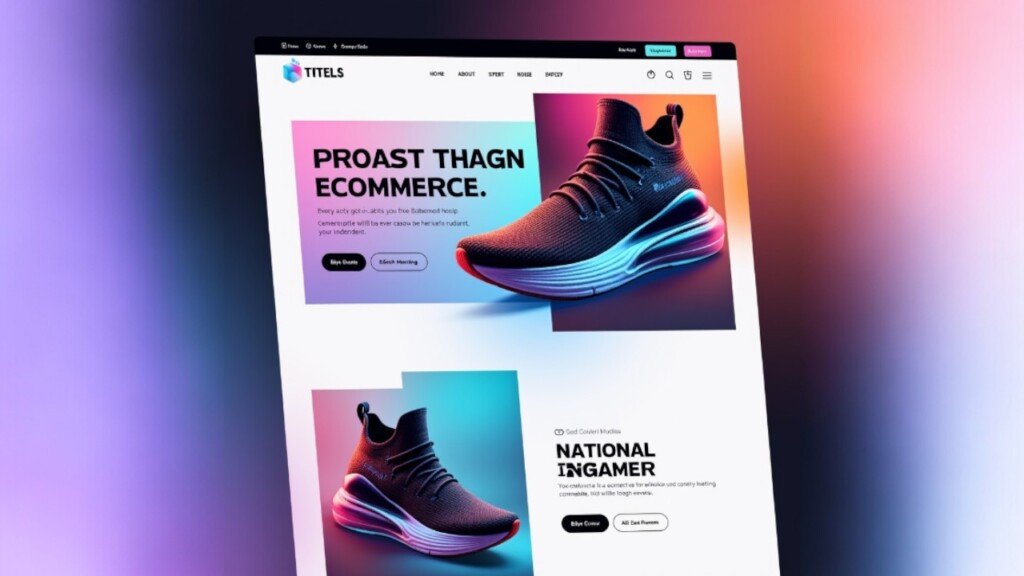
Your website is the digital face of your brand. Ensure it is user-friendly, mobile-responsive, and visually appealing. A well-designed website enhances the overall user experience and encourages conversions.
2. Navigation:
Simplify website navigation to help users find what they are looking for quickly and easily. Intuitive navigation improves user satisfaction and retention.
3. Performance:
Optimize website speed and performance. A fast-loading website reduces bounce rates and improves user engagement.
Developing a Strong Brand Strategy
Conducting Market Research
Market research is essential for understanding your target audience, competitors, and market trends. Use surveys, interviews, and data analysis to gather insights. Identify your audience’s needs, preferences, and pain points to tailor your branding strategy effectively.
Defining Your Brand Positioning
1. Unique Selling Proposition (USP):
Identify what sets your brand apart from competitors. Your USP should highlight the unique benefits and features of your products or services.
2. Brand Promise:
Articulate a clear and compelling brand promise that communicates the value your customers can expect. This promise should be reflected in all your branding efforts.
Creating a Brand Story
Your brand story should convey your brand’s mission, values, and journey. A compelling brand story creates an emotional connection with your audience and enhances brand loyalty. Share your story through various channels, including your website, social media, and marketing materials.
Building Brand Consistency
Consistency is key to effective branding. Ensure that all brand elements, from your logo and color palette to your messaging and tone of voice, are consistent across all touchpoints. This consistency reinforces brand recognition and trust.
Leveraging Social Media
Social media is a powerful tool for building and promoting your brand. Use platforms like Instagram, Facebook, Twitter, and LinkedIn to engage with your audience, share content, and build a community. Tailor your content to each platform and maintain a consistent brand presence.
Implementing E-commerce Branding Methods
Enhancing Visual Branding
1. Product Photography:
Invest in high-quality product photography that showcases your products in the best light. Clear and attractive images can significantly impact purchasing decisions.
2. Branded Packaging:
Use branded packaging to create a memorable unboxing experience. Packaging that reflects your brand adds value and enhances customer satisfaction.
3. Video Content:
Create engaging video content that highlights your products, brand story, and customer testimonials. Video is a highly effective medium for capturing attention and conveying information.
Optimizing Content Marketing
1. Blog Posts:
Write informative and engaging blog posts that provide value to your audience. Use SEO best practices to improve search engine rankings and drive organic traffic.
2. Social Media Content:
Share a mix of content on social media, including behind-the-scenes looks, user-generated content, promotions, and industry news. Engage with your followers by responding to comments and messages.
3. Email Marketing:
Develop personalized email campaigns that nurture relationships with your customers. Use segmentation and automation to deliver relevant content and offers.
Enhancing Customer Experience
1. Customer Support:
Provide exceptional customer support through various channels, including live chat, email, and social media. Prompt and helpful responses enhance customer satisfaction and loyalty.
2. Personalization:
Use customer data to personalize the shopping experience. Personalized recommendations, content, and offers can increase engagement and conversions.
3. Loyalty Programs:
Implement loyalty programs to reward repeat customers. Offer exclusive discounts, early access to new products, and other perks to encourage loyalty.
Building Community and Engagement
1. User-Generated Content (UGC):
Encourage customers to share their experiences with your products on social media. Feature UGC on your website and social media channels to build community and trust.
2. Influencer Collaborations:
Partner with influencers to reach a wider audience and enhance credibility. Choose influencers whose values align with your brand and whose followers match your target market.
3. Events and Webinars:
Host events and webinars to engage with your audience and provide value. These events can help build relationships, showcase expertise, and promote your brand.
Measuring the Impact of Your Branding Efforts
Key Performance Indicators (KPIs)
Track key performance indicators to measure the effectiveness of your branding efforts:
- Brand Awareness: Monitor metrics such as website traffic, social media reach, and search volume for your brand name.
- Engagement Rates: Measure likes, shares, comments, and overall interaction with your content.
- Customer Loyalty: Track repeat purchase rates, customer retention, and loyalty program participation.
- Conversion Rates: Analyze the percentage of visitors who take desired actions, such as making a purchase or signing up for a newsletter.
- Customer Feedback: Gather feedback through surveys, reviews, and direct interactions to understand customer perceptions and areas for improvement.
Analyzing and Adjusting Strategies
Regularly review your branding performance data to identify trends and insights. Use this information to refine and adjust your branding strategies. Continuously improve your efforts to maintain a strong and effective brand presence.
Conclusion
Effective e-commerce branding is essential for building a strong, recognizable, and trustworthy brand that resonates with your target audience. By implementing the powerful branding methods outlined in this guide, you can elevate your brand, foster customer loyalty, and drive growth. Remember to maintain consistency, leverage various marketing channels, and continuously measure and refine your branding efforts. With the right strategies in place, your e-commerce brand can achieve lasting success in a competitive market.
FAQs
1. What is e-commerce branding?
E-commerce branding involves creating a unique identity and image for your online business through elements like brand name, logo, color scheme, typography, and overall aesthetic.
2. Why is branding important for e-commerce businesses?
Branding is important because it enhances recognition, builds trust, fosters loyalty, differentiates your business from competitors, and creates an emotional connection with customers.
3. How do I choose a brand name?
Choose a brand name that is memorable, relevant, and reflects your business values. It should resonate with your target audience and be easy to remember.
4. What role does color play in branding?
Colors evoke emotions and influence perceptions. Select a color palette that aligns with your brand personality and use it consistently across all branding materials.
5. How can I create a compelling brand story?
A compelling brand story conveys your brand’s mission, values, and journey. Share your story through various channels, including your website, social media, and marketing materials.
6. What are some effective content marketing strategies for e-commerce?
Effective content marketing strategies include creating informative blog posts, engaging social media content, personalized email campaigns, and high-quality video content.
7. How can I enhance the customer experience on my e-commerce site?
Enhance customer experience by providing exceptional customer support, personalizing the shopping experience, offering loyalty programs, and ensuring a user-friendly website design.
8. What is the importance of user-generated content (UGC)?
User-generated content builds community, trust, and credibility. Encourage customers to share their experiences and feature UGC on your website and social media channels.
9. How do I measure the impact of my branding efforts?
Measure the impact