![[Brandz] Logo - White](https://brandzbulletin.com/wp-content/uploads/2024/06/Brandz-Logo-White.png)

Introduction
In today’s competitive market, achieving customer loyalty is more important than ever. Loyal customers are the backbone of any successful business. They not only contribute to a steady revenue stream but also become brand advocates, spreading positive word-of-mouth and attracting new customers. But how do you cultivate such loyalty? The answer lies in engaging strategies that make customers feel valued and connected to your brand. In this comprehensive guide, we will explore various techniques to achieve customer loyalty through effective engagement.
Understanding Customer Loyalty
What is Customer Loyalty?
Customer loyalty refers to a customer’s willingness to repeatedly return to a company to conduct business. This loyalty stems from a combination of the customer’s positive experiences, satisfaction, and the value they perceive from the brand. Loyal customers are more likely to stick with a brand through thick and thin, overlooking minor issues because they trust the brand’s consistency and value.
Why is Customer Loyalty Important?
Loyal customers are more than just repeat buyers; they are invaluable assets for several reasons:
- Higher Lifetime Value: Loyal customers tend to spend more over time compared to new customers.
- Cost Efficiency: It costs significantly less to retain existing customers than to acquire new ones.
- Word-of-Mouth Marketing: Satisfied, loyal customers often become brand advocates, recommending your products or services to others.
- Resistance to Competitors: Loyal customers are less likely to be swayed by competitors’ offers.
Key Strategies to Achieve Customer Loyalty
1. Deliver Exceptional Customer Service
Understanding Customer Needs
Exceptional customer service starts with understanding your customers’ needs and expectations. Conduct surveys, gather feedback, and use data analytics to gain insights into what your customers truly want. This information will help you tailor your services and products to meet their needs effectively.
Personalized Experiences
Personalization is key to making customers feel valued. Use customer data to personalize interactions, whether it’s through personalized emails, product recommendations, or tailored promotions. This shows that you understand and appreciate each customer’s unique preferences.
Timely and Effective Support
Provide timely and effective customer support. Make it easy for customers to reach out for help through multiple channels like phone, email, chat, and social media. Ensure that your support team is well-trained and empowered to resolve issues quickly and efficiently.
2. Build a Strong Emotional Connection
Brand Storytelling
People connect with stories. Share your brand’s story in a way that resonates with your audience. Highlight your values, mission, and the journey that brought your company to where it is today. This creates an emotional bond between your brand and your customers.
Community Engagement
Engage with your customers on social media and other platforms. Respond to comments, participate in discussions, and show appreciation for their support. Creating a community around your brand fosters a sense of belonging among your customers.
3. Implement a Loyalty Program
Reward Points System
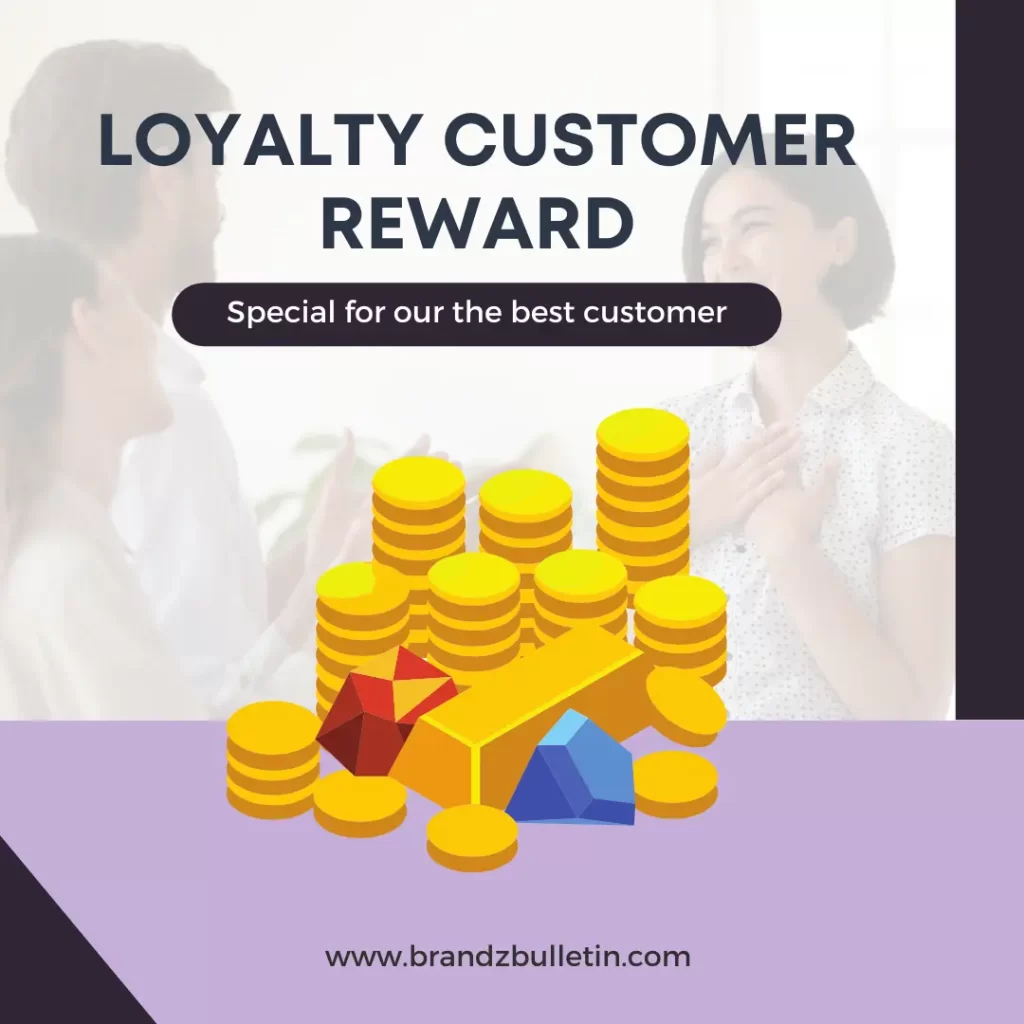
A well-designed loyalty program can significantly boost customer retention. Implement a reward points system where customers earn points for every purchase, which they can redeem for discounts, freebies, or exclusive offers. Make sure the program is easy to understand and participate in.
Exclusive Benefits
Offer exclusive benefits to your loyal customers, such as early access to new products, special discounts, or members-only events. These perks make customers feel appreciated and incentivize them to stay loyal to your brand.
4. Provide Consistent Value
High-Quality Products and Services
Consistent quality is crucial for maintaining customer loyalty. Ensure that your products and services meet high standards and deliver on your brand promises. Regularly update and improve your offerings based on customer feedback and market trends.
Value-Added Services
Go beyond the basics by offering value-added services. This could include free shipping, easy returns, extended warranties, or complimentary consultations. These extras enhance the overall customer experience and encourage repeat business.
5. Leverage Technology for Better Engagement
Customer Relationship Management (CRM) Systems
Utilize CRM systems to manage customer interactions and data efficiently. A CRM system helps you track customer preferences, purchase history, and feedback, enabling personalized and targeted engagement.
Marketing Automation
Implement marketing automation tools to streamline your communication efforts. Automated emails, personalized content, and targeted campaigns can keep your customers engaged without overwhelming your team.
6. Encourage Customer Feedback
Surveys and Feedback Forms
Actively seek customer feedback through surveys and feedback forms. This not only shows that you value their opinions but also provides valuable insights into areas where you can improve.
Act on Feedback
It’s not enough to collect feedback; you must act on it. Address common concerns, implement suggestions, and communicate the changes you’ve made based on customer feedback. This demonstrates that you listen and care about your customers’ experiences.
7. Foster a Customer-Centric Culture
Employee Training and Empowerment
Your employees play a crucial role in customer engagement. Train your staff to prioritize customer satisfaction and empower them to make decisions that benefit the customer. Happy employees often lead to happy customers.
Aligning Company Goals with Customer Needs
Ensure that your company’s goals and values align with the needs and expectations of your customers. A customer-centric culture focuses on creating value for customers at every touchpoint, fostering long-term loyalty.
Measuring Customer Loyalty
Net Promoter Score (NPS)
The Net Promoter Score (NPS) is a widely used metric to measure customer loyalty. It gauges the likelihood of customers recommending your brand to others. A high NPS indicates strong customer loyalty and satisfaction.
Customer Lifetime Value (CLV)
Customer Lifetime Value (CLV) measures the total revenue a customer is expected to generate over their relationship with your brand. Increasing CLV should be a primary goal of your loyalty strategies.
Churn Rate
The churn rate represents the percentage of customers who stop doing business with you over a given period. A low churn rate indicates that your loyalty strategies are effective.
Conclusion
Achieving customer loyalty is a multifaceted process that requires dedication, strategic planning, and continuous effort. By delivering exceptional customer service, building emotional connections, implementing a robust loyalty program, providing consistent value, leveraging technology, encouraging feedback, and fostering a customer-centric culture, you can cultivate a loyal customer base that drives sustained business success. Remember, loyal customers are not just repeat buyers; they are your brand’s ambassadors, advocates, and most valuable assets.
FAQs
1. What are the key benefits of customer loyalty?
Customer loyalty leads to higher lifetime value, cost efficiency, word-of-mouth marketing, and resistance to competitors.
2. How can I personalize customer experiences?
Use customer data to tailor interactions, such as personalized emails, product recommendations, and targeted promotions.
3. What is a reward points system?
A reward points system allows customers to earn points for purchases, which can be redeemed for discounts, freebies, or exclusive offers.
4. How does brand storytelling help in building loyalty?
Brand storytelling creates an emotional bond between your brand and your customers by sharing your values, mission, and journey.
5. Why is consistent quality important for customer loyalty?
Consistent quality ensures that your products and services meet high standards and deliver on your brand promises, fostering trust and repeat business.
6. What is the role of a CRM system in customer engagement?
A CRM system helps manage customer interactions and data efficiently, enabling personalized and targeted engagement.
7. How can I effectively seek customer feedback?
Use surveys and feedback forms to actively seek customer opinions, showing that you value their input and providing insights for improvement.
8. What is the Net Promoter Score (NPS)?
NPS is a metric that measures the likelihood of customers recommending your brand to others, indicating customer loyalty and satisfaction.
9. How can I foster a customer-centric culture?
Train employees to prioritize customer satisfaction, empower them to make customer-beneficial decisions, and align company goals with customer needs.
10. What is Customer Lifetime Value (CLV)?
CLV measures the total revenue a customer is expected to generate over their relationship with your brand, reflecting the effectiveness of loyalty strategies.