![[Brandz] Logo - White](https://brandzbulletin.com/wp-content/uploads/2024/06/Brandz-Logo-White.png)
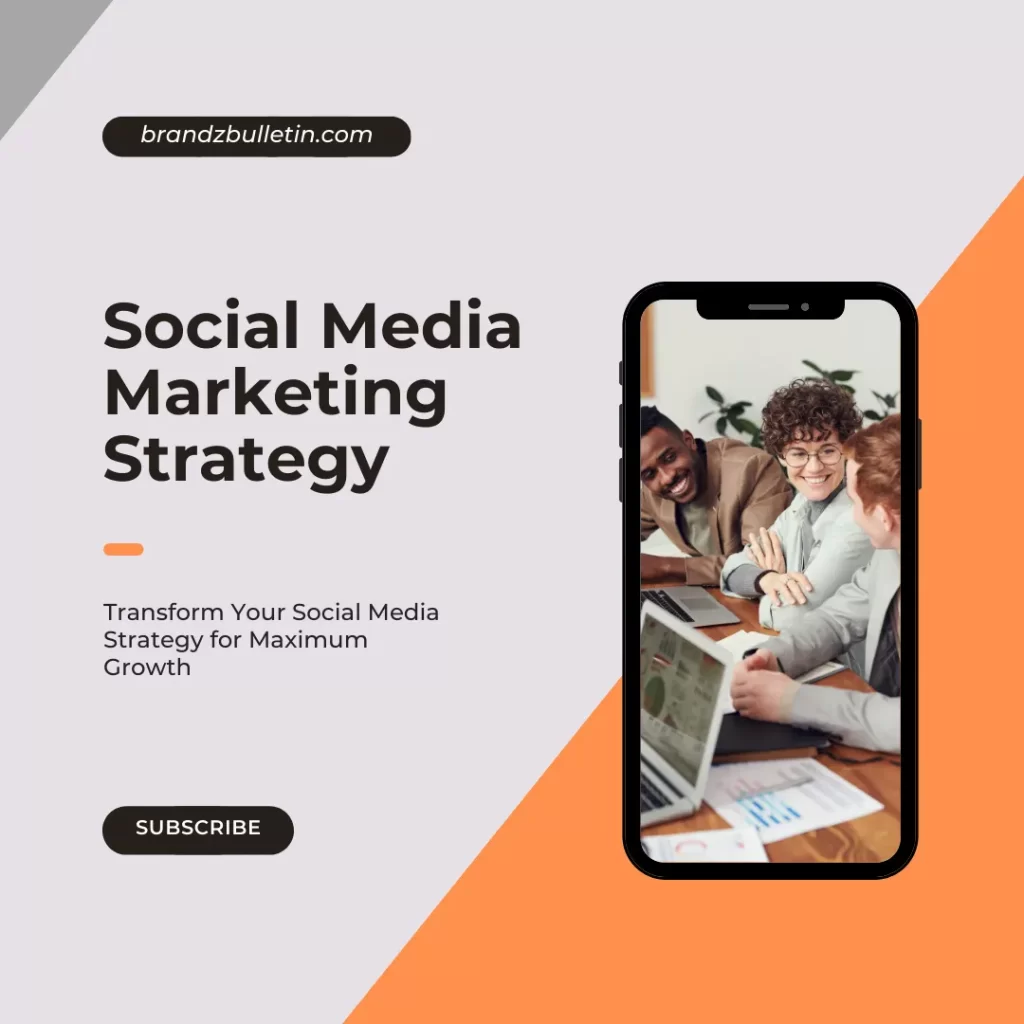
In today’s digital age, social media is a powerful tool for businesses and individuals alike. However, simply having a presence on social media is not enough. To truly harness its potential, you need a well-thought-out strategy that drives engagement, builds your brand, and ultimately leads to growth. In this comprehensive guide, we will explore how to transform your social media strategy for maximum growth.
Understanding the Importance of a Social Media Strategy
Why a Social Media Strategy Matters
A social media strategy is essential for several reasons. First, it provides a clear roadmap for your social media efforts, ensuring that all actions are aligned with your overall business goals. Second, it helps you measure the effectiveness of your social media activities, allowing you to make data-driven decisions. Finally, a well-defined strategy can help you stand out in a crowded digital landscape, attracting more followers and driving more engagement.
Key Components of a Successful Social Media Strategy
To create a successful social media strategy, you need to consider several key components:
- Goals and Objectives: Define what you want to achieve with your social media efforts. This could include increasing brand awareness, driving website traffic, generating leads, or boosting sales.
- Target Audience: Identify who your ideal followers are. Understand their demographics, interests, and behaviors to tailor your content to their preferences.
- Content Strategy: Plan the type of content you will create and share. This could include blog posts, videos, infographics, and more.
- Engagement Plan: Determine how you will interact with your audience. This includes responding to comments, participating in conversations, and encouraging user-generated content.
- Analytics and Metrics: Establish how you will measure the success of your social media efforts. Track key metrics such as engagement rate, reach, and conversions.
Crafting Engaging Content
Types of Content That Drive Engagement
Creating engaging content is crucial for social media success. Here are some types of content that tend to perform well:
- Visual Content: Images and videos are highly engaging and can capture your audience’s attention quickly. Use high-quality visuals that are relevant to your brand and message.
- Interactive Content: Polls, quizzes, and contests can encourage your audience to interact with your posts, increasing engagement.
- User-Generated Content: Encourage your followers to create content related to your brand. This not only provides you with fresh content but also builds a sense of community.
- Educational Content: Share valuable information that helps your audience solve a problem or learn something new. This positions you as an authority in your industry.
- Behind-the-Scenes Content: Give your audience a glimpse into the inner workings of your business. This can humanize your brand and build a stronger connection with your followers.
Creating a Content Calendar
A content calendar is a valuable tool for planning and organizing your social media content. It helps ensure that you consistently post high-quality content and can help you stay on top of important dates and events. Here are some tips for creating a content calendar:
- Plan Ahead: Schedule your content at least a month in advance. This gives you time to create and refine your posts.
- Mix It Up: Include a variety of content types to keep your audience engaged. Alternate between promotional posts, educational content, and entertaining posts.
- Stay Flexible: While planning is important, be prepared to adjust your calendar as needed. Social media trends and events can change quickly, and you need to be able to adapt.
Leveraging Social Media Platforms
Choosing the Right Platforms
Not all social media platforms are created equal. Each platform has its own unique audience and features, so it’s important to choose the ones that align with your goals and target audience. Here are some of the most popular platforms and their key characteristics:
- Facebook: With over 2.8 billion monthly active users, Facebook is a versatile platform that can be used for a variety of purposes, from brand awareness to lead generation.
- Instagram: Known for its visual content, Instagram is ideal for brands that can create eye-catching images and videos. It’s particularly popular among younger audiences.
- Twitter: Twitter is great for real-time updates and engaging in conversations. It’s a good platform for sharing news, and updates, and interacting with your audience.
- LinkedIn: As a professional networking site, LinkedIn is best suited for B2B marketing and building professional relationships.
- TikTok: TikTok is a rapidly growing platform known for its short, entertaining videos. It’s a great platform for reaching younger audiences and creating viral content.
Optimizing Your Profiles
Your social media profiles are often the first impression potential followers will have of your brand. Make sure they are optimized to reflect your brand identity and attract your target audience. Here are some tips for optimizing your profiles:
- Profile Picture: Use a high-quality image that represents your brand. This could be your logo or a professional headshot.
- Bio: Write a clear and concise bio that explains who you are and what you do. Include relevant keywords and a call to action.
- Contact Information: Make it easy for people to get in touch with you by including your contact information in your profile.
- Links: Include links to your website and other social media profiles. This can help drive traffic and increase your online presence.
Engaging with Your Audience
Building Relationships
Engagement is key to building strong relationships with your audience. Here are some strategies for engaging with your followers:
- Respond to Comments: Take the time to respond to comments on your posts. This shows that you value your audience’s input and encourages further interaction.
- Ask Questions: Encourage your audience to share their thoughts and opinions by asking questions in your posts.
- Host Live Sessions: Live videos are a great way to interact with your audience in real time. Use live sessions to answer questions, share updates, and provide valuable information.
- Share User-Generated Content: Show appreciation for your followers by sharing their content. This not only provides you with fresh content but also strengthens your relationship with your audience.
Handling Negative Feedback
Negative feedback is inevitable on social media, but how you handle it can make a big difference. Here are some tips for dealing with negative comments:
- Stay Calm: Don’t take negative comments personally. Stay calm and respond professionally.
- Acknowledge the Issue: Show that you understand the issue and are willing to address it. This can help defuse the situation and show that you care about your audience’s concerns.
- Take It Offline: If the issue is complex, offer to continue the conversation privately. This can help resolve the issue more effectively and prevent further negative comments.
Analyzing and Adjusting Your Strategy
Tracking Key Metrics
To ensure your social media strategy is effective, you need to track key metrics and analyze your performance. Here are some important metrics to monitor:
- Engagement Rate: This measures how much your audience interacts with your content. A high engagement rate indicates that your content is resonating with your audience.
- Reach: This measures how many people see your content. Increasing your reach can help you attract more followers and drive more engagement.
- Conversions: This measures how many people take a desired action, such as signing up for a newsletter or making a purchase. Tracking conversions can help you understand the ROI of your social media efforts.
- Follower Growth: This measures how many new followers you gain over a specific period. A steady increase in followers indicates that your content is attracting new audiences.
Adjusting Your Strategy
Based on your analysis, you may need to adjust your social media strategy to improve your results. Here are some tips for making adjustments:
- Identify Trends: Look for patterns in your data to identify what is working and what is not. This can help you make informed decisions about your content and engagement strategies.
- Experiment with New Ideas: Don’t be afraid to try new things. Experiment with different types of content, posting times, and engagement strategies to see what works best for your audience.
- Stay Updated: Social media trends and algorithms are constantly changing. Stay updated on the latest trends and best practices to ensure your strategy remains effective.
Conclusion
Transforming your social media strategy for maximum growth requires careful planning, consistent effort, and a willingness to adapt. By understanding the importance of a social media strategy, crafting engaging content, leveraging the right platforms, engaging with your audience, and analyzing your performance, you can create a strategy that drives real results. Remember, social media is a powerful tool, but its true potential can only be unlocked with a well-thought-out strategy.
FAQs
1. How often should I post on social media?
The ideal posting frequency varies depending on the platform and your audience. Generally, it’s recommended to post at least once a day on platforms like Facebook and Instagram, and multiple times a day on Twitter. However, quality is more important than quantity, so focus on creating valuable content rather than posting just for the sake of it.
2. What are the best times to post on social media?
The best times to post on social media depend on your audience’s behavior. Generally, posting during peak times when your audience is most active can increase engagement. Use analytics tools to determine when your audience is online and schedule your posts accordingly.
3. How can I increase my social media followers?
To increase your social media followers, focus on creating high-quality content that resonates with your target audience. Engage with your followers, collaborate with influencers, and promote your social media profiles on other channels. Consistency and authenticity are key to attracting and retaining followers.
4. What tools can help with social media management?
There are several tools available to help with social media management, including Hootsuite, Buffer, and Sprout Social. These tools can help you schedule posts, track analytics, and manage multiple social media accounts from one platform.
5. How do I measure the success of my social media strategy?
To measure the success of your social media strategy, track key metrics such as engagement rate, reach, conversions, and follower growth. Use analytics tools to gather data and analyze your performance. Regularly review your metrics and adjust your strategy as needed to improve your results.