![[Brandz] Logo - White](https://brandzbulletin.com/wp-content/uploads/2024/06/Brandz-Logo-White.png)

In today’s digital age, influencer marketing has become a cornerstone for brands looking to expand their reach and engage with their target audience. By leveraging the power of influencers, brands can tap into established communities and gain credibility. This comprehensive guide will reveal the secrets to successful influencer marketing and provide top tactics to boost your brand.
Understanding Influencer Marketing
What is Influencer Marketing?
Influencer marketing involves collaborating with individuals who have a significant following on social media platforms. These influencers have the power to affect the purchasing decisions of their audience due to their authority, knowledge, or relationship with their followers. By partnering with influencers, brands can promote their products or services in a more authentic and relatable way.
The Evolution of Influencer Marketing
Influencer marketing has evolved significantly over the years. Initially, it was limited to celebrities and well-known personalities. However, with the rise of social media, everyday individuals with niche followings have become influential. This shift has made influencer marketing more accessible and effective for brands of all sizes.
Types of Influencers
Influencers can be categorized based on their follower count and niche. Understanding these categories can help brands choose the right influencers for their campaigns.
Mega-Influencers
Mega-influencers have over a million followers. They are often celebrities or public figures with a broad reach. While they can provide massive exposure, their engagement rates may be lower compared to smaller influencers.
Macro-Influencers
Macro-influencers have between 100,000 to 1 million followers. They are typically well-known in their industry and can offer a good balance of reach and engagement.
Micro-Influencers
Micro-influencers have between 10,000 to 100,000 followers. They often have a highly engaged audience and can provide more authentic and relatable content.
Nano-Influencers
Nano-influencers have fewer than 10,000 followers. Despite their smaller following, they often have a very loyal and engaged audience, making them ideal for niche markets.
Benefits of Influencer Marketing
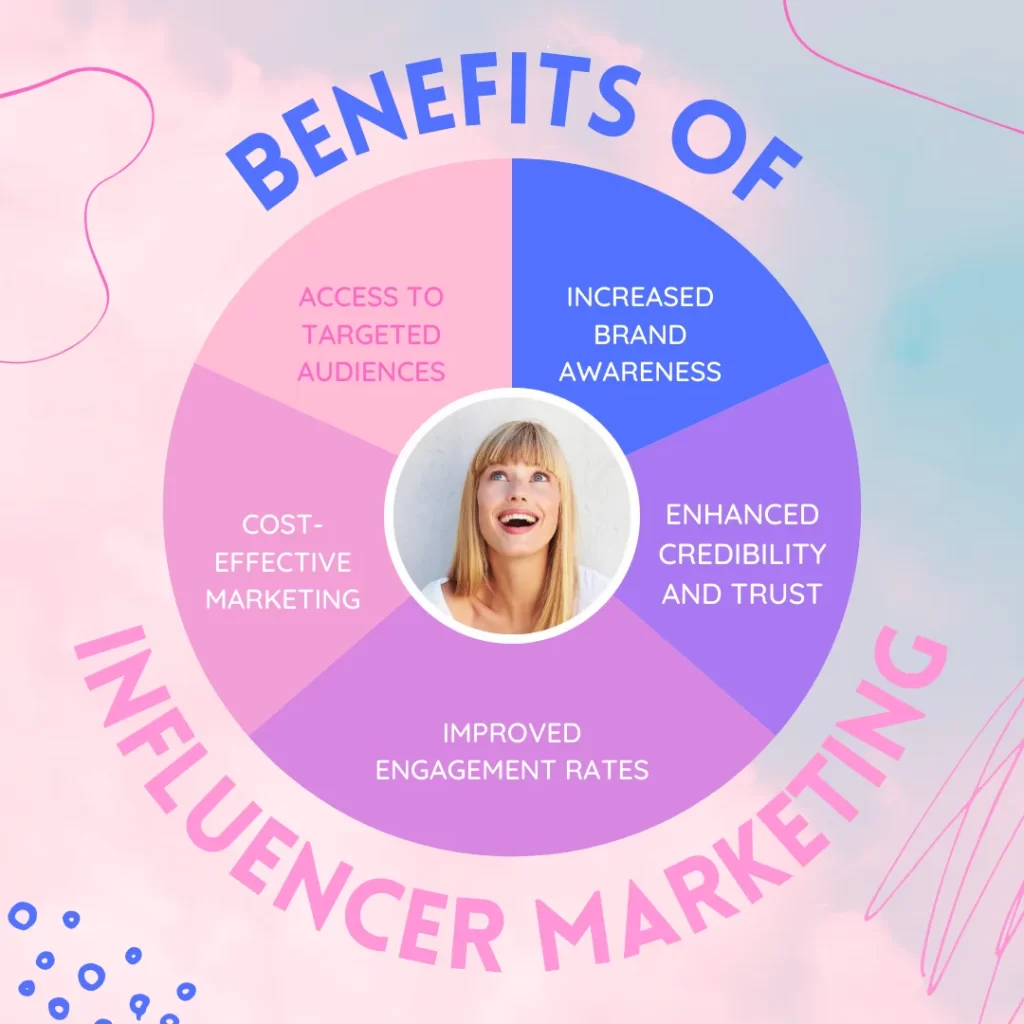
Increased Brand Awareness
Collaborating with influencers can significantly increase your brand’s visibility. Influencers have a dedicated following that trusts their recommendations, making it easier for your brand to reach new audiences.
Enhanced Credibility and Trust
Influencers have built a relationship with their audience based on trust. When they endorse your brand, it adds credibility and can influence their followers’ purchasing decisions.
Improved Engagement Rates
Influencer content tends to generate higher engagement rates compared to traditional advertising. This is because the content is more relatable and resonates better with the audience.
Cost-Effective Marketing
Influencer marketing can be more cost-effective than traditional advertising methods. By partnering with the right influencers, brands can achieve significant results without a massive budget.
Access to Targeted Audiences
Influencers often have a specific niche or demographic that they cater to. This allows brands to target their marketing efforts more precisely and reach the right audience.
Top Tactics for Successful Influencer Marketing
1. Define Your Goals and Objectives
Before diving into influencer marketing, it’s crucial to define your goals and objectives. Are you looking to increase brand awareness, drive sales, or boost engagement? Having clear goals will help you measure the success of your campaigns and choose the right influencers.
2. Identify the Right Influencers
Choosing the right influencers is key to a successful campaign. Look for influencers whose values align with your brand and who have an engaged audience. Tools like BuzzSumo, HypeAuditor, and Social Blade can help you find and analyze potential influencers.
3. Build Authentic Relationships
Building authentic relationships with influencers is essential. Instead of treating them as mere marketing tools, engage with them genuinely. Follow their content, comment on their posts, and show appreciation for their work. This will make your collaboration more authentic and effective.
4. Create Compelling Content
Content is king in influencer marketing. Work with influencers to create content that is engaging, authentic, and aligns with your brand’s message. Whether it’s a blog post, video, or social media post, ensure the content adds value to the audience.
5. Leverage User-Generated Content
User-generated content (UGC) can be a powerful tool in influencer marketing. Encourage influencers to create content featuring your products and share it with their followers. This not only increases your brand’s visibility but also adds authenticity to your marketing efforts.
6. Track and Measure Performance
Tracking and measuring the performance of your influencer marketing campaigns is crucial. Use tools like Google Analytics, social media insights, and influencer marketing platforms to monitor key metrics such as engagement rates, reach, and conversions. This will help you understand what works and optimize your future campaigns.
7. Stay Compliant with Regulations
Influencer marketing is subject to various regulations and guidelines. Ensure that your campaigns comply with the Federal Trade Commission (FTC) guidelines and other relevant regulations. This includes disclosing sponsored content and maintaining transparency with your audience.
Case Studies: Successful Influencer Marketing Campaigns
1. Daniel Wellington
Daniel Wellington, a watch brand, leveraged influencer marketing to achieve massive success. By partnering with micro-influencers on Instagram, they created a buzz around their products and significantly increased their sales. The influencers shared photos of themselves wearing the watches, along with discount codes for their followers.
2. Glossier
Glossier, a beauty brand, has built its entire marketing strategy around influencer marketing. They collaborate with everyday consumers and beauty enthusiasts to create authentic content. This approach has helped them build a loyal community and achieve impressive growth.
3. Gymshark
Gymshark, a fitness apparel brand, has successfully used influencer marketing to grow its brand. They partner with fitness influencers and athletes to promote their products. The influencers share workout routines, fitness tips, and product reviews, which resonate well with their audience.
Challenges in Influencer Marketing
1. Finding the Right Influencers
One of the biggest challenges in influencer marketing is finding the right influencers. With so many influencers to choose from, it can be overwhelming to identify those who align with your brand and have an engaged audience.
2. Ensuring Authenticity
Authenticity is crucial in influencer marketing. However, some influencers may prioritize monetary gain over genuine endorsements. It’s important to vet influencers carefully and ensure that their content aligns with your brand’s values.
3. Measuring ROI
Measuring the return on investment (ROI) of influencer marketing can be challenging. Unlike traditional advertising, the impact of influencer marketing is not always immediately quantifiable. Brands need to use a combination of metrics and tools to assess the effectiveness of their campaigns.
4. Managing Relationships
Building and maintaining relationships with influencers requires time and effort. Brands need to engage with influencers regularly, provide them with the necessary resources, and ensure that their collaboration is mutually beneficial.
Future Trends in Influencer Marketing
1. Rise of Nano-Influencers
Nano-influencers are gaining popularity due to their highly engaged and loyal audience. Brands are increasingly partnering with nano-influencers to create more authentic and relatable content.
2. Video Content Dominance
Video content continues to dominate social media platforms. Brands are leveraging influencers to create engaging video content, such as tutorials, unboxings, and behind-the-scenes footage.
3. Increased Focus on Diversity and Inclusion
Diversity and inclusion are becoming more important in influencer marketing. Brands are partnering with influencers from diverse backgrounds to create inclusive campaigns that resonate with a broader audience.
4. Integration of AI and Data Analytics
Artificial intelligence (AI) and data analytics are transforming influencer marketing. Brands are using AI-powered tools to identify influencers, analyze their performance, and optimize their campaigns.
Conclusion
Influencer marketing offers immense potential for brands looking to boost their visibility, credibility, and engagement. By understanding the different types of influencers, leveraging top tactics, and staying ahead of trends, brands can create successful influencer marketing campaigns. Remember to define your goals, choose the right influencers, create compelling content, and measure your performance. With the right approach, influencer marketing can be a game-changer for your brand.
FAQs
1. How do I choose the right influencer for my brand?
Choosing the right influencer involves researching their audience, engagement rates, and content style. Ensure their values align with your brand and that they have an engaged following.
2. What is the difference between micro-influencers and macro-influencers?
Micro-influencers have between 10,000 to 100,000 followers and often have a highly engaged audience. Macro-influencers have between 100,000 to 1 million followers and offer a good balance of reach and engagement.
3. How can I measure the success of my influencer marketing campaign?
You can measure the success of your campaign by tracking key metrics such as engagement rates, reach, conversions, and ROI. Use tools like Google Analytics and social media insights to monitor performance.
4. What are some common challenges in influencer marketing?
Common challenges include finding the right influencers, ensuring authenticity, measuring ROI, and managing relationships with influencers.
5. How can I ensure my influencer marketing campaign complies with regulations?
Ensure your campaign complies with FTC guidelines and other relevant regulations by disclosing sponsored content and maintaining transparency with your audience.