![[Brandz] Logo - White](https://brandzbulletin.com/wp-content/uploads/2024/06/Brandz-Logo-White.png)
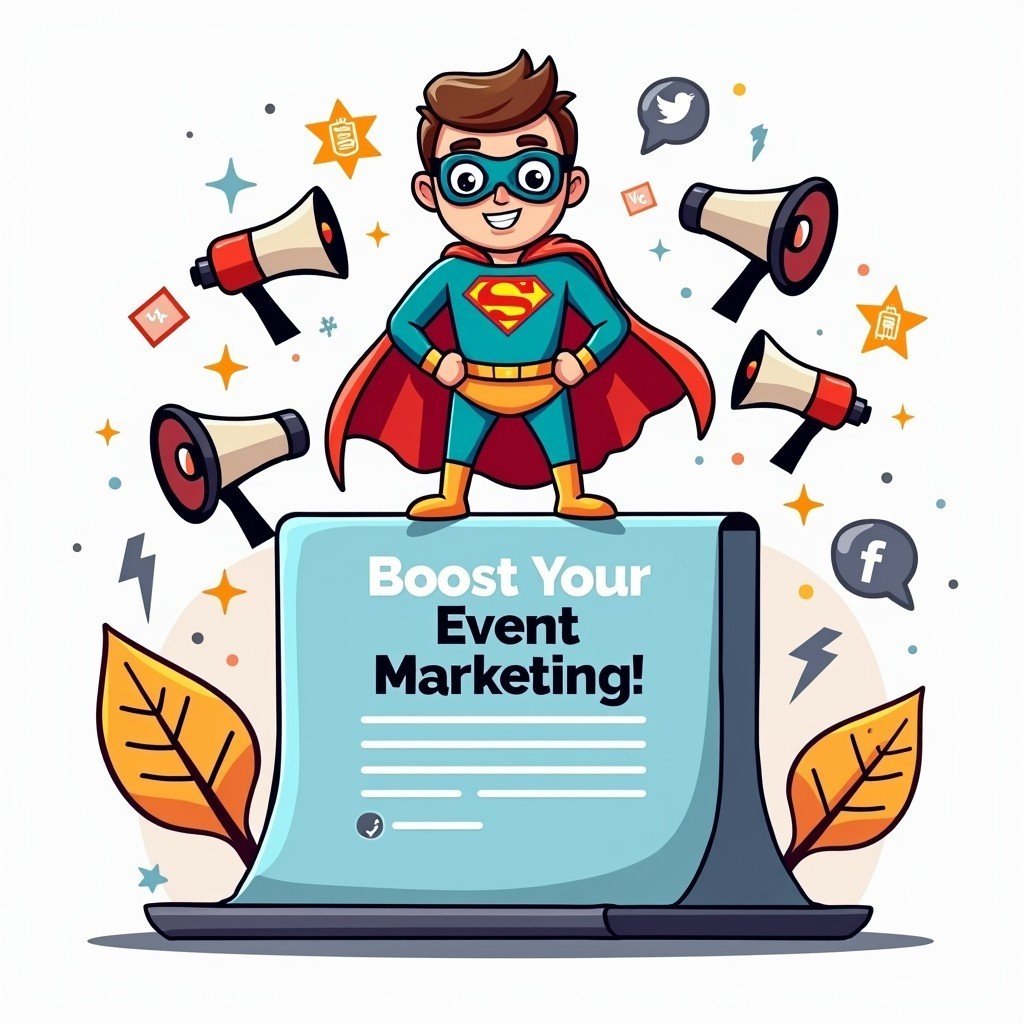
Event marketing is a powerful tool that can drive significant engagement and attendance for your events. However, to truly maximize the potential of your event marketing efforts, you need to employ proven promotion strategies. In this comprehensive guide, we will explore various techniques and tactics that can help you boost your event marketing and ensure your events are a resounding success.
Understanding Event Marketing
What is Event Marketing?
Event marketing involves creating and promoting events to engage with your target audience, build brand awareness, and drive sales or other desired outcomes. Events can range from small, intimate gatherings to large-scale conferences and trade shows. The key to successful event marketing lies in effectively promoting your event to attract the right attendees and achieve your goals.
The Importance of Event Marketing
Event marketing offers numerous benefits, including:
- Increased Brand Awareness: Events provide a platform to showcase your brand and reach a wider audience.
- Lead Generation: Events can help you capture valuable leads and build relationships with potential customers.
- Customer Engagement: Events offer an opportunity to interact with your audience in a meaningful way, fostering loyalty and trust.
- Sales Opportunities: Events can drive sales by providing a platform to showcase your products or services and engage with potential buyers.
Proven Promotion Strategies for Event Marketing
1. Leverage Social Media
Social media is a powerful tool for promoting your event and engaging with your audience. Here are some strategies to effectively use social media for event marketing:
Create a Dedicated Event Page
Create a dedicated event page on platforms like Facebook and LinkedIn. This page should include all the essential details about your event, such as the date, time, location, and agenda. Use high-quality images and engaging content to attract attention and encourage people to RSVP.
Use Hashtags
Create a unique hashtag for your event and use it consistently across all your social media posts. Encourage your attendees to use the hashtag when sharing their experiences related to the event. This will help create buzz and increase the visibility of your event.
Engage with Your Audience
Engage with your audience by responding to comments, answering questions, and sharing updates about the event. Use polls, contests, and giveaways to generate excitement and encourage participation.
Leverage Influencers
Partner with influencers in your industry to promote your event. Influencers can help you reach a larger audience and build credibility for your event. Provide them with exclusive content and incentives to share with their followers.
2. Utilize Email Marketing
Email marketing is a highly effective way to promote your event and keep your audience informed. Here are some tips for using email marketing to boost your event marketing efforts:
Build a Targeted Email List
Build a targeted email list of potential attendees who are interested in your event. Segment your list based on factors such as demographics, interests, and past event attendance to ensure your messages are relevant and personalized.
Create Compelling Email Content
Create compelling email content that highlights the key benefits of attending your event. Use attention-grabbing subject lines, engaging visuals, and clear calls to action to encourage recipients to register for your event.
Send Regular Updates
Send regular updates to your email list to keep them informed about the latest developments related to your event. This can include announcements about speakers, agenda updates, and special offers.
Use Automated Email Campaigns
Use automated email campaigns to nurture your leads and guide them through the registration process. Set up a series of emails that provide valuable information and encourage recipients to take action.
3. Optimize Your Event Website
Your event website is a crucial component of your event marketing strategy. Here are some tips for optimizing your event website to drive registrations and engagement:
Create a User-Friendly Design
Create a user-friendly design that makes it easy for visitors to find the information they need and register for your event. Use clear navigation, engaging visuals, and concise content to enhance the user experience.
Include Key Information
Include all the key information about your event on your website, such as the date, time, location, agenda, and speaker bios. Use compelling copy and visuals to highlight the benefits of attending your event.
Clear Calls-to-Action
Use clear calls to action throughout your website to encourage visitors to register for your event. Make it easy for them to take action by providing a simple and intuitive registration process.
Optimize for SEO
Optimize your event website for search engines to increase its visibility and attract organic traffic. Use relevant keywords, meta tags, and high-quality content to improve your search engine rankings.
4. Leverage Content Marketing
Content marketing is a powerful way to promote your event and provide value to your audience. Here are some strategies for using content marketing to boost your event marketing efforts:
Create Blog Posts
Create blog posts that provide valuable information related to your event. This can include topics such as industry trends, speaker interviews, and event previews. Use engaging visuals and compelling copy to attract readers and encourage them to register for your event.
Produce Videos
Produce videos that showcase the highlights of your event and provide a behind-the-scenes look at the planning process. Share these videos on your website, social media, and email campaigns to generate excitement and engagement.
Develop Infographics
Develop infographics that provide valuable information related to your event. This can include statistics, tips, and insights that are relevant to your audience. Share these infographics on your website, social media, and email campaigns to attract attention and drive registrations.
Create Ebooks and Whitepapers
Create ebooks and whitepapers that provide in-depth information related to your event. Offer these resources as free downloads in exchange for contact information to capture leads and build your email list.
5. Partner with Sponsors and Exhibitors
Partnering with sponsors and exhibitors can help you increase the reach and impact of your event. Here are some tips for effectively partnering with sponsors and exhibitors:
Identify Potential Partners
Identify potential sponsors and exhibitors who align with your event’s goals and target audience. Reach out to them with a compelling proposal that highlights the benefits of partnering with your event.
Offer Attractive Sponsorship Packages
Offer attractive sponsorship packages that provide value to your partners. This can include opportunities for branding, speaking engagements, and exclusive access to attendees.
Promote Your Partners
Promote your sponsors and exhibitors through your event marketing channels, such as your website, social media, and email campaigns. Highlight their involvement and provide them with opportunities to engage with your audience.
Provide Value to Your Partners
Provide value to your partners by offering them opportunities to connect with your audience and achieve their goals. This can include networking opportunities, lead generation, and brand exposure.
Conclusion
Boosting your event marketing with proven promotion strategies can help you achieve your goals and ensure your events are a resounding success. By leveraging social media, email marketing, content marketing, and partnerships, you can effectively promote your event and engage with your audience. Remember to optimize your event website and provide valuable content to attract and retain attendees. With the right strategies in place, you can take your event marketing to the next level and achieve outstanding results.
FAQs
1. How can I measure the success of my event marketing efforts?
To measure the success of your event marketing efforts, track key metrics such as registration numbers, attendance rates, engagement levels, and feedback from attendees. Use tools like Google Analytics and social media insights to gather data and analyze the effectiveness of your strategies.
2. What are some cost-effective ways to promote my event?
Some cost-effective ways to promote your event include leveraging social media, email marketing, and content marketing. You can also partner with influencers and sponsors to increase your reach without incurring significant costs.
3. How can I increase attendee engagement during my event?
To increase attendee engagement during your event, use interactive elements such as live polls, Q&A sessions, and networking opportunities. Provide valuable content and create a memorable experience for your attendees.
4. What should I include in my event marketing plan?
Your event marketing plan should include a clear outline of your goals, target audience, budget, and promotional strategies. It should also include a timeline of key activities and milestones leading up to the event.
5. How can I attract high-quality leads to my event?
To attract high-quality leads to your event, create targeted marketing campaigns that focus on your ideal audience. Use personalized messaging and offer valuable incentives, such as exclusive content or discounts, to encourage registration.