![[Brandz] Logo - White](https://brandzbulletin.com/wp-content/uploads/2024/06/Brandz-Logo-White.png)
The Branding Challenge Facing DTC Founders and the Loyalty Results You Can Expect
DTC founders operate in crowded online markets where similar products compete for attention. Without clear ecommerce branding, brands fail to differentiate, resulting in high acquisition costs and weak customer retention. Inconsistent visuals, generic messaging, and lack of emotional connection make it hard for shoppers to remember or trust a store over competitors.
Strong ecommerce branding solves these pain points by establishing a unified identity. A documented brand style guide ensures visual identity and voice remain consistent across the digital storefront, product pages, and post-purchase touchpoints. This consistency builds immediate recognition and trust, lowering the need for repeated paid exposure.
The outcomes are concrete. Brands that prioritize ecommerce branding see higher customer loyalty through repeat purchases and referrals. They also achieve better ecommerce conversions as shoppers respond to authentic storytelling and personalized experiences. Data from industry reports indicate that trusted brands command premium pricing and enjoy lower acquisition costs because direct and branded search traffic replaces expensive prospecting.
Founders who implement these strategies convert one-time buyers into advocates. The result is sustainable growth driven by organic reach and stronger unit economics rather than constant ad spend.
Build Instant Recognition with Visual Identity and Brand Voice
Ecommerce branding begins with deliberate choices in visual identity and brand voice. Start by creating a brand style guide that specifies logo placement, color palette, typography, and photography style. Consistent application across the digital storefront ensures shoppers recognize your brand within seconds of landing on any page.
Define brand voice next. Document tone examples for product descriptions, emails, and social content so every message sounds like the same personality. Authentic voice builds emotional connections that generic competitors cannot match.
Quick implementation steps include auditing existing assets for drift, selecting signature visual elements, and testing voice variations with small audiences. These actions compound into stronger brand identity that drives customer loyalty through repeated positive interactions.
When visual identity and voice align, recognition improves immediately. Shoppers spend less time re-evaluating your store, leading to higher ecommerce conversions and reduced acquisition costs. Sources confirm that cohesive branding across channels increases trust and repeat engagement for DTC brands.
Apply the same standards to packaging touches and marketing materials to reinforce the identity at every customer contact point. This unified approach turns casual visitors into advocates who remember and prefer your brand.
Drive Repeat Purchases via Unboxing Experiences and Storefront Conversions
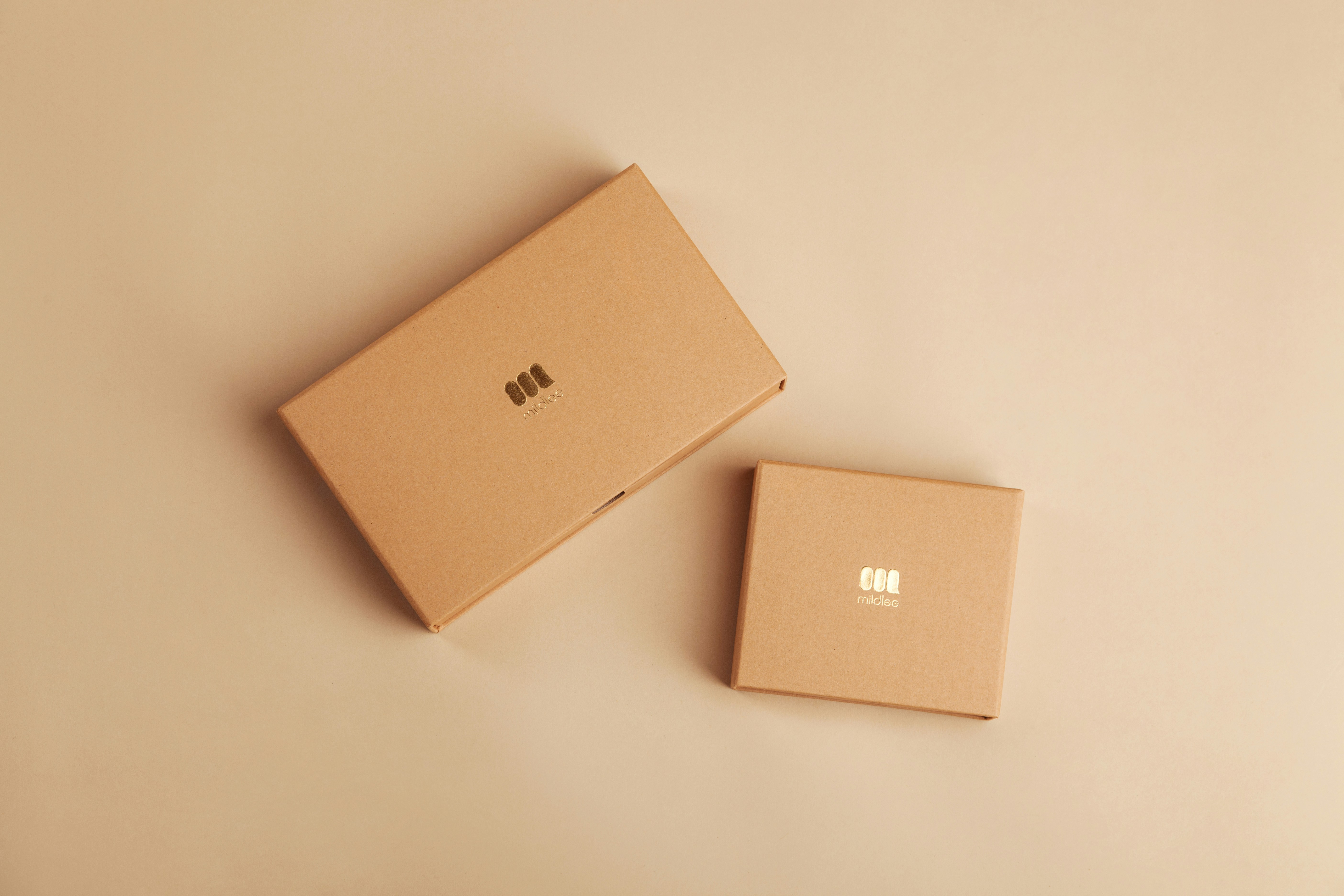
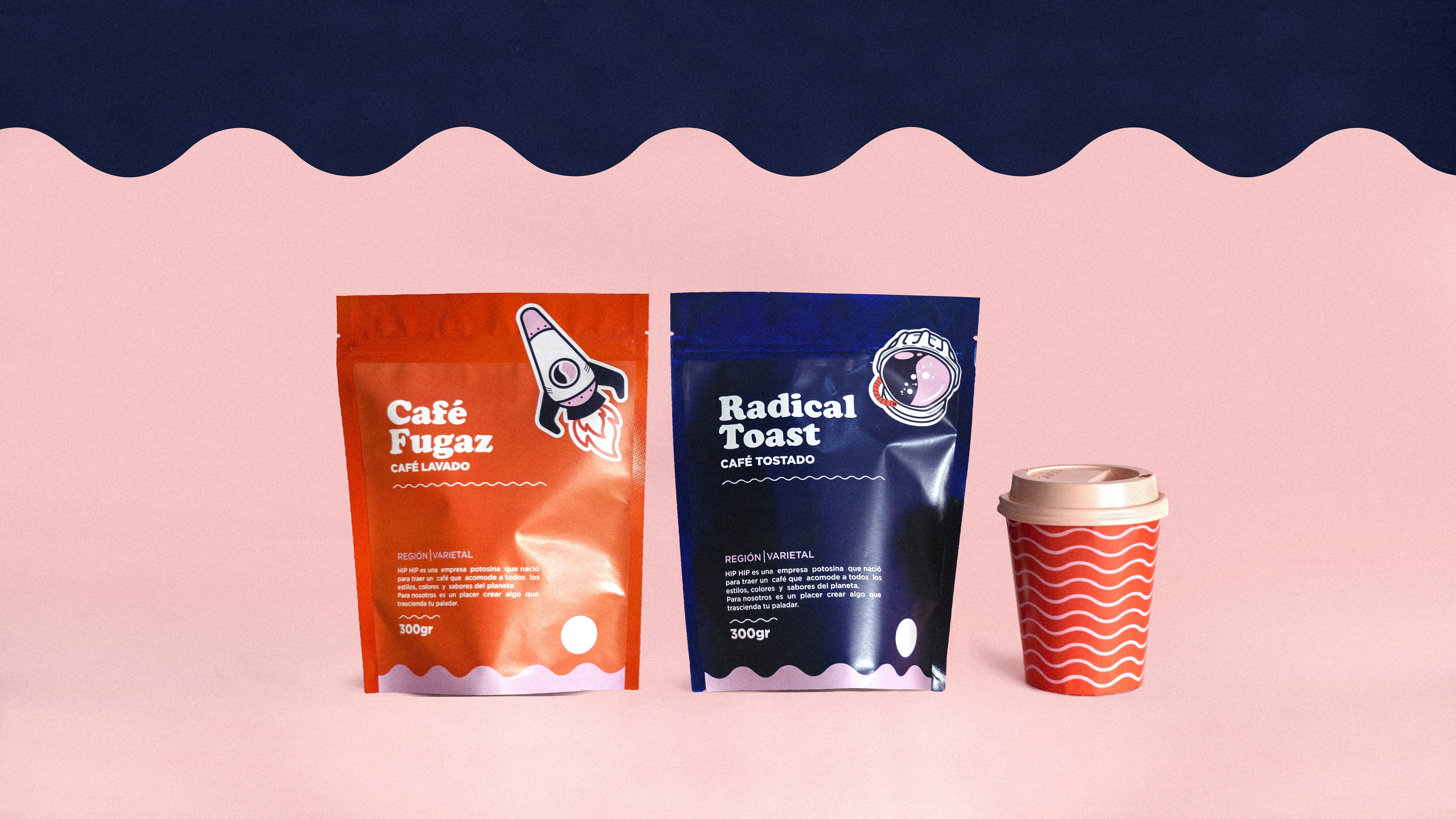
Ecommerce branding extends beyond the digital storefront into the physical moment of delivery. A well-executed unboxing experience reinforces brand identity and turns routine shipments into memorable events that drive customer loyalty. Brands that invest in custom packaging report higher repeat purchase rates because recipients feel valued and connected.
Begin with branded boxes or mailers that display your logo and colors before opening. Add custom tissue paper, stickers, and product arrangement to create a curated reveal. Include inserts such as thank-you cards, discount codes, or relevant samples to encourage the next purchase. Personalization through printed gift notes or QR codes linking to reviews further strengthens the connection. These elements work together when guided by a brand style guide that maintains visual identity across every touchpoint.
On the digital storefront, apply the same ecommerce branding consistency. Use uniform visuals and voice on product pages while adding trust signals like verified reviews and clear policies. A/B testing layouts and messaging helps identify what converts browsers into buyers. Personalization tools that match content to past behavior increase engagement without breaking brand coherence.
Common mistakes include oversized boxes that raise shipping costs, inconsistent inserts that dilute messaging, and storefront pages that fail to match packaging aesthetics. These errors erode trust and reduce ecommerce conversions.
When unboxing and storefront elements align under strong ecommerce branding, retention improves measurably. Customers return more often, share content organically, and contribute to sustainable growth through loyalty rather than constant acquisition spend.
Sources
- https://www.luigisbox.com/blog/ecommerce-branding
- https://www.bigcommerce.com/articles/ecommerce/branding
- https://www.bigcommerce.com/articles/ecommerce/ecommerce-marketing
- https://gokickflip.com/blog/ecommerce-marketing-strategies
- https://www.redtrack.io/blog/ecommerce-marketing-strategies
- https://www.digitalapplied.com/blog/d2c-brand-strategy-direct-to-consumer-guide-2026
- https://www.bigblue.co/blog/unboxing-outil-marketing-logistique
- https://www.shipbob.com/blog/unboxing-experience
- https://www.genaiembed.ai/blog/ecommerce-conversion-rate-optimization
- https://www.yotpo.com/blog/ecommerce-conversion-optimization