![[Brandz] Logo - White](https://brandzbulletin.com/wp-content/uploads/2024/06/Brandz-Logo-White.png)
Introduction to Influencer Marketing
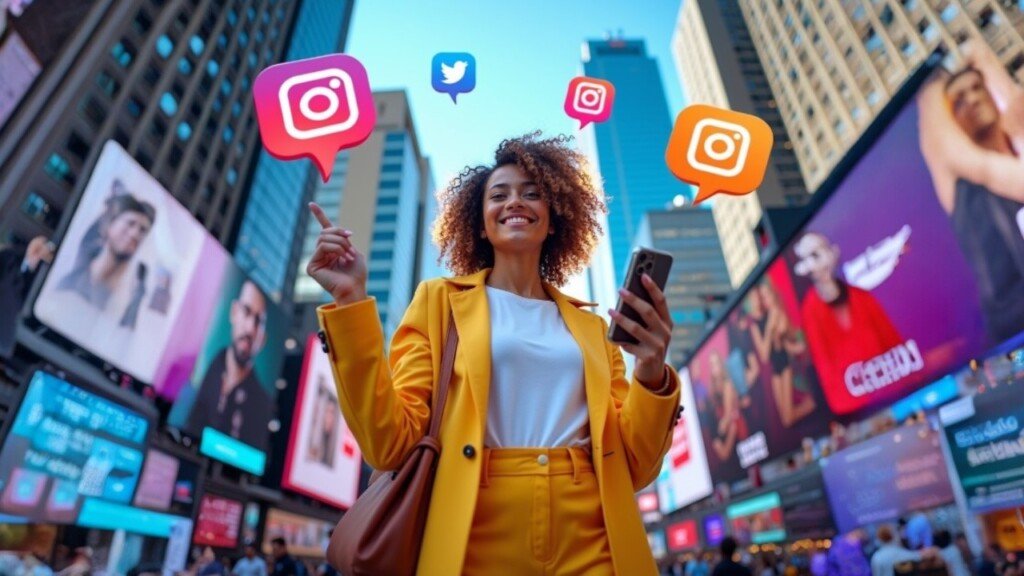
Influencer marketing has emerged as a powerful tool for brands to connect with their audience in an authentic and engaging manner. This strategy leverages individuals with significant followings on social media to promote products, services, or brand messages. In an era where traditional advertising often falls flat, influencer marketing provides a refreshing and effective alternative.
Understanding the Types of Influencers
Mega Influencers
Mega influencers are the celebrities of the social media world. With millions of followers, they have a vast reach that can introduce your brand to a wide audience. However, their engagement rates might not be as high as those of smaller influencers.
Macro Influencers
Macro influencers typically have between 100,000 to 1 million followers. They offer a substantial reach while maintaining a strong connection with their audience, making them a valuable asset for brand awareness campaigns.
Micro Influencers
Micro influencers, with their 10,000 to 100,000 followers, are known for their high engagement rates and niche communities. They are often viewed as more relatable and trustworthy, making their recommendations highly effective.
Nano Influencers
Nano influencers may have fewer than 10,000 followers, but they boast incredibly high engagement rates. Their close-knit follower base trusts their opinions implicitly, making them perfect for targeted and hyper-local campaigns.
Identifying Your Goals and Objectives

Brand Awareness
The primary goal for many influencer campaigns is to increase brand visibility. By partnering with influencers who have a large and engaged following, brands can reach new audiences and build recognition.
Engagement
Driving interactions such as likes, comments, shares, and follows is crucial for maintaining a vibrant online presence. Influencers can help spark conversations and boost engagement with your content.
Lead Generation
Influencer marketing can also be a powerful tool for capturing leads. By directing followers to sign up for newsletters or special offers, influencers can help build your contact list.
Sales Conversion
Ultimately, many brands look to influencers to drive sales. Influencers can create compelling content that encourages their followers to make purchases, providing a direct boost to your bottom line.
Finding the Right Influencers for Your Brand
Research and Analysis
Identifying the right influencers requires thorough research. Tools like social media analytics and influencer marketing platforms can help you find individuals who align with your brand’s values and target audience.
Matching Brand Values
Ensure the influencer’s content and personal brand align with your company’s mission and values. This alignment is crucial for maintaining authenticity and credibility.
Evaluating Influencer Reach and Engagement
Analyze metrics such as follower count, engagement rate, and audience demographics to ensure the influencer can effectively reach and engage your target market.
Building Authentic Relationships with Influencers
Personalized Outreach
When reaching out to influencers, personalized messages can make a significant difference. Show genuine interest in their work and explain why you believe they are a good fit for your campaign.
Long-Term Partnerships
Rather than one-off collaborations, consider building long-term partnerships with influencers. This approach can lead to more authentic and impactful content.
Trust and Transparency
Be transparent about your expectations and provide influencers with the creative freedom to express themselves. Trusting their judgment can lead to more genuine and effective content.
Crafting Effective Influencer Campaigns
Setting Clear Campaign Objectives
Define what you aim to achieve with the campaign, such as increased brand awareness or higher sales. Clear objectives will guide your strategy and help measure success.
Designing Creative Briefs
Provide detailed briefs that outline campaign goals, key messages, and content guidelines. Clear instructions help influencers create content that aligns with your brand.
Defining Key Performance Indicators (KPIs)
Establish KPIs to measure the success of your campaign, such as engagement rates, reach, and conversion rates. These metrics will help you evaluate the effectiveness of your efforts.
Leveraging Different Social Media Platforms
Instagram is ideal for visual content and stories, making it perfect for lifestyle and fashion brands. Utilize Instagram’s features such as Stories, IGTV, and Reels to engage your audience.
YouTube
YouTube offers opportunities for in-depth reviews, tutorials, and unboxings. Long-form content on this platform can provide detailed insights and build trust with your audience.
TikTok
TikTok is known for its viral content and engaging younger audiences. Create short, creative videos that capture attention quickly and encourage interaction.
Twitter is effective for real-time updates and engaging in conversations around trending topics. Use it to participate in relevant discussions and amplify your brand’s voice.
LinkedIn is best suited for B2B marketing and professional industry insights. Share thought leadership content and engage with professionals in your industry.
Content Creation and Collaboration
Co-Creating Content
Collaborate with influencers to create content that resonates with their audience while aligning with your brand message. Co-created content can enhance authenticity and engagement.
Content Approval Process
Establish a clear approval process to ensure content meets your brand standards without stifling creativity. This balance is crucial for maintaining quality and consistency.
Ensuring Brand Consistency
Maintain consistency in messaging and visual identity across all influencer-generated content. Consistent branding helps reinforce your brand’s identity and values.
Utilizing Influencer-Generated Content
Repurposing Content for Different Channels
Adapt influencer content for use across various marketing channels, such as social media, email, and website. Repurposing content can extend its reach and impact.
Leveraging Testimonials and Reviews
Use influencer testimonials and reviews to build trust and credibility with potential customers. Authentic endorsements can significantly influence purchasing decisions.
Enhancing Credibility and Trust
Highlight authentic influencer endorsements to strengthen your brand’s reputation. Influencer-generated content can provide social proof and enhance consumer trust.
Measuring Influencer Campaign Success
Tracking Metrics and Analytics
Monitor key metrics such as engagement, reach, and conversions to gauge campaign effectiveness. Analytics tools can provide valuable insights into your performance.
Adjusting Strategies Based on Performance
Use data insights to refine and optimize your influencer marketing strategies. Continuous improvement is key to achieving better results.
Reporting and ROI Calculation
Regularly report on campaign outcomes and calculate ROI to justify marketing spend. Detailed reports help demonstrate the value of influencer marketing to stakeholders.
Managing Influencer Relationships
Regular Communication
Maintain open lines of communication to address any issues and provide ongoing support. Regular check-ins can help build strong, positive relationships.
Conflict Resolution
Address conflicts promptly and professionally to preserve positive relationships. Effective conflict resolution ensures long-term collaboration success.
Continuous Engagement
Engage with influencers regularly to keep them motivated and aligned with your brand’s goals. Continuous engagement fosters loyalty and commitment.
Adhering to Legal and Ethical Guidelines
Disclosure Requirements
Ensure influencers disclose sponsored content in compliance with relevant regulations. Transparency is crucial for maintaining trust with your audience.
Contractual Agreements
Draft clear contracts outlining terms, deliverables, and compensation to avoid misunderstandings. Legal agreements protect both parties and set expectations.
Ethical Considerations
Promote ethical behavior by choosing influencers who reflect your brand’s values and ethics. Ethical considerations are vital for maintaining integrity and reputation.
Budgeting for Influencer Marketing

Determining Influencer Fees
Negotiate fees based on influencer reach, engagement, and the scope of work. Fair compensation is important for building positive relationships.
Allocating Budget for Campaigns
Plan your budget to cover influencer fees, content creation costs, and additional marketing expenses. Proper budgeting ensures you can execute effective campaigns.
Managing Unexpected Costs
Set aside a contingency fund to handle unforeseen expenses that may arise during the campaign. Planning for unexpected costs helps prevent budget overruns.
Case Studies of Successful Influencer Campaigns
Examples from Leading Brands
Study how top brands have executed successful influencer marketing campaigns. Analyze their strategies and tactics to gain valuable insights.
Key Takeaways
Identify key strategies and tactics that contributed to their success. Apply these insights to improve your own campaigns.
Lessons Learned
Learn from the challenges and mistakes faced by other brands. Avoid common pitfalls and refine your approach based on their experiences.
Future Trends in Influencer Marketing
Rise of Virtual Influencers
Explore the growing popularity of AI-generated influencers and their potential impact. Virtual influencers offer unique opportunities for brands.
Increased Focus on Micro and Nano Influencers
Leverage the high engagement and authenticity of smaller influencers. Micro and nano influencers can provide targeted and effective marketing solutions.
Integration with Emerging Technologies
Incorporate emerging technologies such as AR and VR into your influencer marketing strategies. Innovative technologies can enhance engagement and create immersive experiences.
Common Mistakes to Avoid in Influencer Marketing
Choosing Influencers Based Solely on Follower Count
Prioritize engagement and alignment with your brand over sheer follower numbers. Influencers with genuine connections to their audience are more effective.
Ignoring Engagement Metrics
Focus on influencers with high engagement rates to ensure active and interested audiences. Engagement metrics are crucial for measuring campaign impact.
Failing to Define Clear Objectives
Set clear, measurable objectives to guide your campaigns and evaluate success. Well-defined goals provide direction and help measure outcomes.
Enhancing Influencer Marketing with Data Analytics
Importance of Data-Driven Decisions
Base your strategies on data insights to improve accuracy and effectiveness. Data-driven decisions lead to better results.
Tools for Influencer Marketing Analytics
Utilize tools such as Google Analytics, Hootsuite, and Socialbakers for comprehensive analysis. These tools provide valuable data for optimizing campaigns.
Using Data to Optimize Campaigns
Continuously refine your campaigns based on data-driven insights. Regular optimization ensures your strategies remain effective.
Leveraging Influencer Marketing for Small Businesses
Cost-Effective Strategies
Implement strategies that maximize impact while staying within budget constraints. Cost-effective approaches can deliver significant results.
Building Local Influencer Partnerships
Collaborate with local influencers to build strong community connections. Local partnerships can enhance your brand’s presence in specific markets.
Maximizing Limited Resources
Use creative tactics and resourcefulness to make the
most of limited marketing budgets. Small businesses can achieve great success with strategic influencer marketing.
Integrating Influencer Marketing with Other Marketing Strategies
Synergy with Content Marketing
Integrate influencer-generated content into your broader content marketing strategy. The synergy between strategies amplifies their impact.
Combining with SEO and PPC
Enhance your digital presence by aligning influencer marketing with SEO and PPC efforts. Combined strategies can drive greater results.
Enhancing Overall Brand Strategy
Ensure that influencer marketing complements and reinforces your overall brand strategy. Integrated approaches create a cohesive brand experience.
Conclusion and Final Thoughts
Influencer marketing offers immense potential for brands to connect with their audience authentically and effectively. By understanding the various strategies and best practices, brands can harness the power of influencers to achieve their marketing goals. As the landscape continues to evolve, staying adaptable and innovative will be key to long-term success.
FAQs
1. What is influencer marketing?
Influencer marketing involves partnering with individuals who have a large and engaged following on social media to promote products, services, or brand messages.
2. How do I choose the right influencer for my brand?
Look for influencers whose values align with your brand, have high engagement rates, and whose audience matches your target market.
3. What are the benefits of influencer marketing?
Influencer marketing can increase brand awareness, drive engagement, generate leads, and boost sales through authentic and trusted endorsements.
4. How do I measure the success of an influencer marketing campaign?
Track metrics such as engagement, reach, conversions, and ROI using analytics tools to measure the effectiveness of your campaign.
5. What are some common mistakes in influencer marketing?
Common mistakes include choosing influencers based solely on follower count, ignoring engagement metrics, and failing to define clear objectives.