![[Brandz] Logo - White](https://brandzbulletin.com/wp-content/uploads/2024/06/Brandz-Logo-White.png)
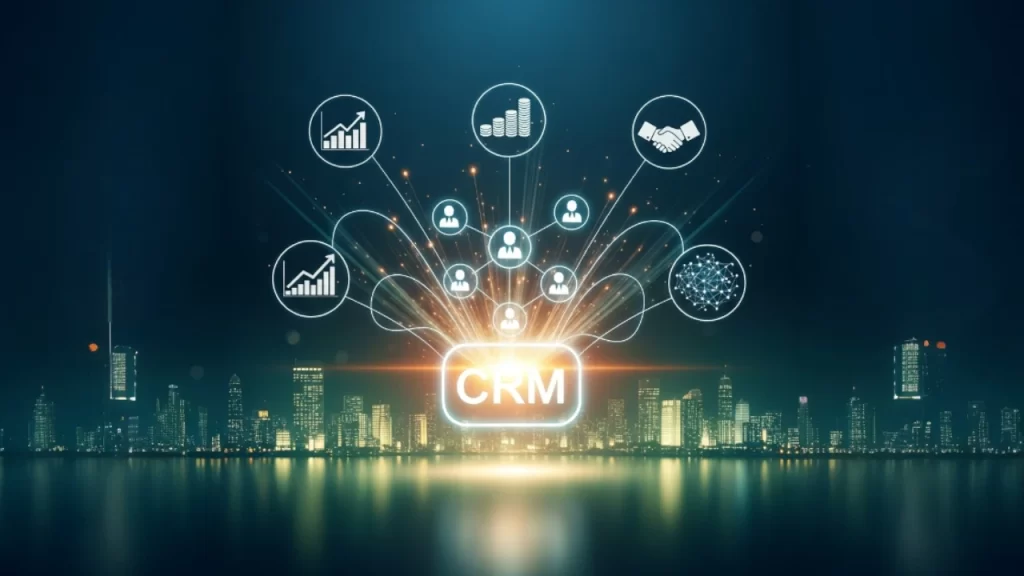
Customer Relationship Management (CRM) is transforming business success by streamlining processes, improving customer engagement, and increasing revenue. By leveraging data, automation, and personalized strategies, businesses can build stronger relationships, enhance customer loyalty, and achieve sustainable growth—redefining what it means to succeed in today’s competitive market.
The Evolution of Customer Relationship Management
CRM has evolved from a basic contact management tool to a strategic cornerstone of modern business.
Early CRM systems:
- Simple databases for storing customer information
- Manual tracking of customer interactions
- Limited analytical capabilities
Modern CRM systems:
- AI-driven analytics for predictive insights
- Automation of sales, marketing, and support processes
- Multi-channel communication integration
- Personalization at scale
This evolution allows businesses to anticipate customer needs, deliver value, and optimize growth strategies.
Why CRM Is Essential for Business Success
In today’s market, customers expect personalized experiences, quick responses, and proactive support. CRM systems help businesses:
- Understand customer behavior and preferences
- Deliver tailored marketing and communication
- Enhance customer satisfaction and loyalty
- Optimize sales pipelines
- Increase operational efficiency
- Reduce churn and retain high-value clients
The ability to turn data into actionable insights is the key differentiator for successful businesses in 2026.
Core Components of Modern CRM Systems
Modern CRM platforms combine several critical elements that enable business transformation:
Customer Data Management
Centralizes customer information, purchase history, interactions, and preferences for better decision-making.
Sales Force Automation
Automates repetitive tasks like lead tracking, follow-ups, and pipeline management to boost efficiency.
Marketing Automation
Segment audiences, send personalized campaigns, and track engagement to improve conversion rates.
Customer Support & Service Tools
Facilitate quick issue resolution, self-service options, and proactive engagement.
Analytics & Reporting
Provides insights on sales trends, customer behavior, and campaign performance for data-driven decisions.
CRM and Customer Experience Transformation
A strong CRM strategy does more than store data—it enhances the customer journey:
- Personalized Communication: Targeted emails, messages, and offers
- Predictive Engagement: Anticipate needs using AI insights
- Omnichannel Integration: Seamless interaction across email, social media, chat, and phone
- Proactive Support: Solve issues before they escalate
- Loyalty & Retention Programs: Reward and retain high-value customers
Improved customer experiences translate directly into higher satisfaction, repeat business, and stronger brand loyalty.
CRM’s Role in Sales Growth
CRM transforms sales processes by:
- Tracking leads and prioritizing high-potential opportunities
- Automating follow-ups and reminders
- Analyzing customer behavior to identify cross-sell/up-sell opportunities
- Providing sales teams with actionable insights
- Forecasting revenue and improving pipeline accuracy
Sales teams equipped with CRM tools close deals faster, increase revenue, and focus on relationship-building instead of administrative tasks.
Marketing Optimization Through CRM
CRM enables data-driven marketing strategies that increase ROI:
- Segmenting customers for targeted campaigns
- Personalizing messages for higher engagement
- Automating nurture campaigns to move prospects through the funnel
- Measuring campaign performance in real-time
- Integrating with social media, email, and ad platforms
Businesses using CRM-driven marketing see better lead conversion, higher customer engagement, and measurable growth.
The Impact of CRM on Customer Loyalty
Loyal customers are the most valuable asset. CRM systems help businesses:
- Track loyalty program participation
- Identify high-value customers
- Anticipate churn risks and take proactive action
- Personalize rewards and offers
- Build emotional connections with customers
Strong CRM strategies turn one-time buyers into lifelong advocates, driving repeat business and referrals.
AI & Automation: The Future of CRM
Artificial Intelligence (AI) and automation are revolutionizing CRM:
- Predictive Analytics: Forecast customer needs and sales trends
- Chatbots & Virtual Assistants: Provide 24/7 support and immediate responses
- Automated Campaigns: Trigger personalized communication based on behavior
- Smart Recommendations: Suggest products/services tailored to customer preferences
Companies leveraging AI-driven CRM gain a competitive advantage through efficiency, personalization, and predictive insights.
Industry Examples: CRM Transforming Business
Retail:
- Personalized promotions, loyalty programs, and omnichannel engagement drive repeat sales.
Healthcare:
- Patient relationship management, appointment tracking, and follow-ups improve care quality.
Finance:
- CRM enables personalized investment advice, cross-selling of financial products, and fraud detection alerts.
E-Commerce:
- Targeted campaigns, abandoned cart recovery, and AI-powered recommendations enhance conversions.
B2B Services:
- CRM tracks client interactions, automates proposals, and strengthens partnerships.
Internal Link Suggestions (For Your Website)
If you publish this on an e-commerce or lifestyle site, include links like:
- “Shop New Arrivals”
- “Winter Jackets & Baggy Trousers”
- “Explore Tactical Streetwear”
- “Check Out Men’s Fashion Collections”
These improve SEO and user engagement.
External Credible Sources (For E-E-A-T)
- Salesforce: CRM Industry Insights
- HubSpot: CRM and Marketing Reports
- Forbes: Business Growth & CRM
- Harvard Business Review: Customer Experience Studies
- Statista: CRM Market Analysis
Adding these sources strengthens credibility and authority.
FAQs
What is CRM?
Customer Relationship Management (CRM) is a strategy and technology used to manage interactions with customers, improve engagement, and drive business growth.
Why is CRM important for businesses?
CRM centralizes customer data, enhances communication, improves sales, and boosts loyalty, leading to higher revenue and sustainable success.
How does CRM improve customer experience?
By personalizing communication, predicting needs, providing omnichannel support, and automating proactive engagement.
Can small businesses benefit from CRM?
Yes. CRM helps small businesses manage leads, automate processes, and enhance customer relationships without large budgets.
What role does AI play in CRM?
AI enables predictive analytics, automation, smart recommendations, and 24/7 support, enhancing efficiency and personalization.
Conclusion
Customer Relationship Management is transforming business success by enabling companies to understand, engage, and retain customers more effectively than ever. With data-driven insights, automation, AI integration, and personalized strategies, CRM empowers businesses to achieve higher revenue, stronger loyalty, and sustainable growth.
In 2026, companies that embrace CRM as a core strategic tool will not only survive but thrive in an increasingly competitive and customer-centric market.