![[Brandz] Logo - White](https://brandzbulletin.com/wp-content/uploads/2024/06/Brandz-Logo-White.png)

Every iconic brand you know today—from Nike to Apple—started as nothing more than an idea. No funding, no customers, no guarantee of success. Yet through relentless execution, strategic thinking, and bold moves, they transformed into global powerhouses.
The good news? You can do the same.
In this article, we’ll break down the proven playbooks of self-made brands and extract the exact strategies they used to grow from zero to millions (or billions). Whether you’re launching a startup or scaling a side hustle, these lessons will help you build momentum, outmaneuver competitors, and create a lasting legacy.
Why Most Businesses Fail (And How These Brands Succeeded)
Before we dive into success stories, let’s address the elephant in the room: 90% of startups fail. The difference between those that collapse and those that thrive comes down to three critical factors:
- Solving a real problem (Not just creating a “cool” product)
- Relentless customer focus (Obsessing over user needs)
- Resourceful execution (Doing more with less)
The brands we’ll explore mastered these principles—and you can too.
Brands That Started from Zero (And How They Did It)
Nike: From Selling Shoes Out of a Car to a $200B Empire
The Backstory: Phil Knight started Nike by importing Japanese running shoes and selling them from his car trunk. No investors, no marketing team—just hustle.
Key Strategies:
✔ Built a cult following (Targeted elite athletes first)
✔ Created an emotional brand (“Just Do It” wasn’t about shoes—it was about mindset)
✔ Innovated relentlessly (Air Jordans changed sneaker culture forever)
Your Takeaway: Start small, but think big. Even Nike began with one product and a grassroots audience.
Apple: How a Garage Startup Became the World’s Most Valuable Company
The Backstory: Steve Jobs and Steve Wozniak built the first Apple computer in a garage with $1,300. No Silicon Valley connections, no venture capital.
Key Strategies:
✔ Focus on design and user experience (Made tech feel human)
✔ Create “must-have” products (iPod, iPhone—each solved a pain point better than anyone else)
✔ Control the narrative (Keynote presentations became cultural events)
Your Takeaway: Obsess over quality and simplicity—people pay premium prices for products they love.
Spanx: How Sara Blakely Turned $5,000 into a Billion-Dollar Shapewear Revolution
The Backstory: Blakely invested her life savings into creating footless pantyhose. She cold-called manufacturers, wrote her own patents, and even appeared on QVC to sell her product.
Key Strategies:
✔ Identified an unsexy but massive market (Women’s discomfort with traditional shapewear)
✔ Bootstrapped creatively (No outside funding for years)
✔ Personal storytelling (Her origin story became part of the brand’s appeal)
Your Takeaway: Solve an overlooked problem—even in “boring” industries—and own your narrative.
Airbnb: How a $1,000-a-Month Startup Disrupted the Hotel Industry
The Backstory: Broke roommates Brian Chesky and Joe Gebbia rented out air mattresses in their apartment to pay rent. Today, Airbnb is worth over $100B.
Key Strategies:
✔ Leveraged existing resources (Turned empty space into income)
✔ Focus on community (Built trust with user reviews and verification)
✔ Scaled through storytelling (“Live like a local” positioned them as more than just lodging)
Your Takeaway: Start with what you have—the best businesses often come from personal frustrations turned into solutions.
The 5-Step Blueprint to Building Your Own Empire
Find Your “Unfair Advantage”
What unique perspective, skill, or resource do you have? Examples:
- Dollar Shave Club: Competed with Gillette by focusing on convenience and humor.
- Glossier: Turned a beauty blog into a cult brand by leveraging its founder’s industry insight.
Action Step: Write down three things only you (or your team) can offer that competitors can’t.
Validate Before You Scale
Most empires started with a minimum viable product (MVP):
- Zappos: Began by photographing shoes at local stores to test demand.
- Facebook: Launched exclusively for Harvard students before expanding.
Action Step: Test your idea with real customers before overinvesting.
Build a Tribe, Not Just Customers
The strongest brands create fanatics, not just buyers. How?
- Tesla: Owners become brand ambassadors.
- Harley-Davidson: Riders identify with the lifestyle, not just the bike.
Action Step: Define your brand’s mission and personality—why should people care beyond the product?
Master the Art of Storytelling
People remember stories, not sales pitches.
- Warby Parker: “Buy a pair, give a pair” made purchases feel meaningful.
- Patagonia: Environmental activism became core to its identity.
Action Step: Craft a one-sentence origin story that makes your brand relatable.
Scale with Systems (Not Just Hustle)
Eventually, hustle alone won’t cut it. The most enduring brands:
- McDonald’s: Standardized processes for consistent quality.
- Amazon: Built algorithms to personalize recommendations.
Action Step: Document one key process this week (e.g., customer onboarding).
Common Pitfalls to Avoid
❌ Chasing perfection (Launch before you’re “ready”)
❌ Ignoring cash flow (Profitability > Vanity metrics)
❌ Copying competitors (Differentiate or die)
FAQs About Building a Brand Empire
How much money do I need to start?
Many iconic brands launched with less than $10K. Focus on revenue-generating activities first.
What if my industry is crowded?
Differentiate through branding, customer experience, or niche targeting (e.g., Liquid Death in the water industry).
How long does it take to see success?
Most brands take 3-5 years to gain real traction—consistency beats viral moments.
Should I take investors or bootstrap?
Bootstrapping maintains control; funding accelerates growth. Choose based on your risk tolerance and industry.
How do I compete with established giants?
Specialize first (e.g., Tesla started with luxury cars before mass-market EVs).
Final Thoughts: Your Empire Starts Today
Building a brand from nothing isn’t about luck—it’s about applying proven principles consistently. The companies we’ve explored all started with limited resources but unlimited vision.
Your Next Step: Pick one strategy from this guide (e.g., validating your MVP or crafting your brand story) and execute it this week. Every empire begins with a single decision.
Found this valuable? Share it with an entrepreneur who needs inspiration!
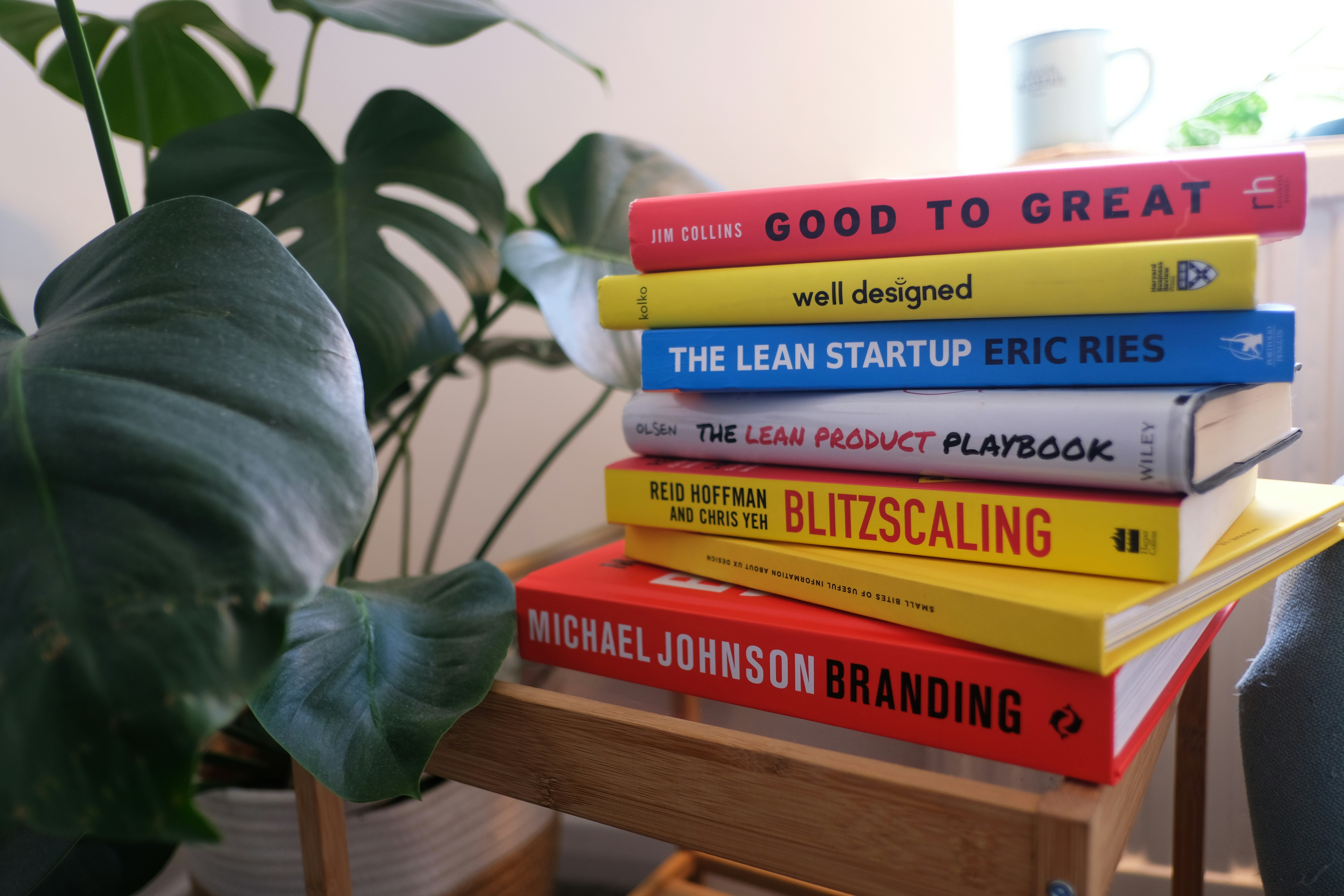
(For further study: Built to Last* by Jim Collins or Harvard Business Review’s Startup Guides).*