![[Brandz] Logo - White](https://brandzbulletin.com/wp-content/uploads/2024/06/Brandz-Logo-White.png)
Outline
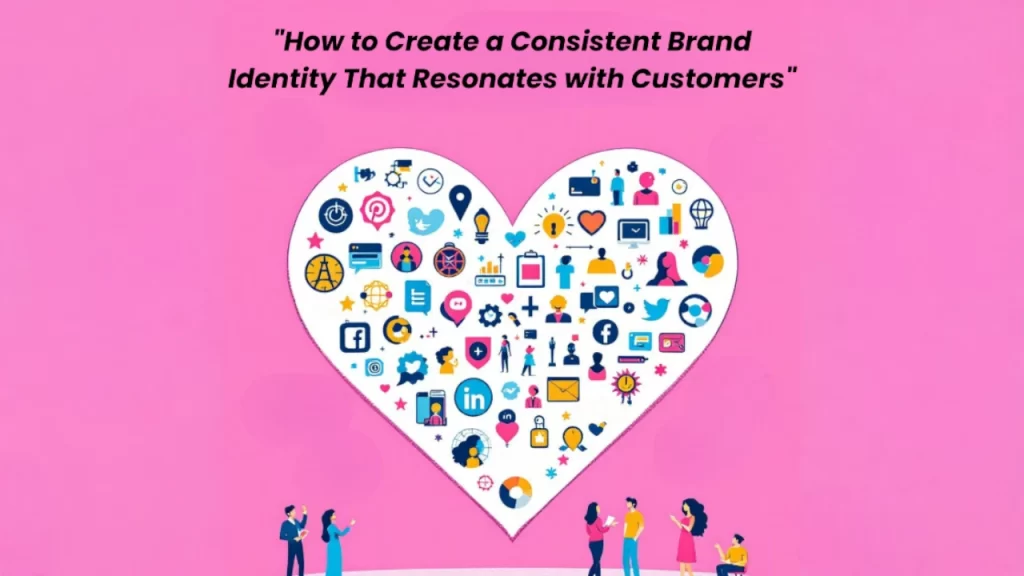
H1: How to Create a Consistent Brand Identity That Resonates with Customers
H2: Understanding the Importance of Brand Consistency
- H3: Why Brand Identity Matters in Today’s Market
- H3: The Impact of Inconsistent Branding on Customer Trust
H2: Defining Your Brand’s Core Elements - H3: Brand Vision, Mission, and Values
- H3: Establishing Your Unique Selling Proposition (USP)
H2: Designing a Visual Brand Identity That Stands Out - H3: Logo and Color Palette Guidelines
- H3: Typography and Imagery Standards
H2: Crafting a Cohesive Brand Voice and Messaging - H3: Tone, Style, and Personality Guidelines
- H3: Messaging Across Different Platforms
H2: Aligning Your Brand Across Channels - H3: Social Media Consistency
- H3: Website, Email, and Offline Presence
H2: Training Your Team to Embody the Brand - H3: Brand Guidelines Documentation
- H3: Internal Workshops and Onboarding
H2: Measuring Brand Consistency and Impact - H3: Brand Audits and Customer Feedback
- H3: Tracking Metrics for Recognition and Loyalty
H2: Adapting Your Brand Without Losing Consistency - H3: Evolving Visuals and Messaging Strategically
- H3: Maintaining Core Values Amid Change
H2: Tools and Resources to Support Brand Consistency - H3: Digital Asset Management Systems
- H3: Style Guides and Content Templates
H2: Frequently Asked Questions (FAQs)
Understanding the Importance of Brand Consistency
Why Brand Identity Matters in Today’s Market
A strong brand identity differentiates your business from competitors. Customers are more likely to trust and engage with brands that present a clear, consistent image and message. Your brand isn’t just a logo—it’s the emotional experience and perception customers have of your business.
The Impact of Inconsistent Branding on Customer Trust
Inconsistent branding creates confusion, reduces trust, and weakens customer loyalty. If your visuals, messaging, or tone fluctuate across channels, customers may perceive your business as unprofessional or unreliable, ultimately harming your bottom line.
Defining Your Brand’s Core Elements
Brand Vision, Mission, and Values
Start by clearly defining your brand’s vision, mission, and values. This foundation ensures that every piece of content, interaction, or visual element aligns with your long-term objectives and resonates with your target audience.
Establishing Your Unique Selling Proposition (USP)
Your USP highlights what makes your brand distinct and valuable. It should answer: “Why should customers choose us over competitors?” A well-defined USP guides all branding efforts and reinforces consistency across platforms.
Designing a Visual Brand Identity That Stands Out
Logo and Color Palette Guidelines
Your logo is the visual cornerstone of your brand identity. Pair it with a consistent color palette to evoke specific emotions and create instant recognition. For example, blue conveys trust, while green emphasizes growth and wellness.
Typography and Imagery Standards
Consistent typography, icons, and imagery strengthen brand recognition. Use style guides to maintain uniformity in fonts, image filters, and graphic elements, ensuring every touchpoint reflects your brand personality.
Crafting a Cohesive Brand Voice and Messaging
Tone, Style, and Personality Guidelines
Your brand voice reflects your personality and values. Decide whether your tone is friendly, authoritative, playful, or professional, and apply it consistently in all communications.
Messaging Across Different Platforms
Tailor your messaging for each channel without diluting your core identity. Whether it’s social media, email marketing, or website content, ensure the voice, language, and messaging remain consistent and recognizable.
Aligning Your Brand Across Channels
Social Media Consistency
Maintain visual and verbal consistency across all social media platforms. Use the same profile images, color schemes, and tone to reinforce brand recognition and build trust.
Website, Email, and Offline Presence
Your website, email campaigns, and offline materials must reflect your brand identity coherently. Align imagery, fonts, and messaging across all channels for seamless customer experiences.
Training Your Team to Embody the Brand
Brand Guidelines Documentation
Develop a comprehensive brand guide that outlines visual identity, voice, tone, and messaging standards. This ensures everyone in your team communicates the brand consistently.
Internal Workshops and Onboarding
Conduct workshops to educate employees about your brand’s values, mission, and personality. Encourage them to internalize and embody these principles in every customer interaction.
Measuring Brand Consistency and Impact
Brand Audits and Customer Feedback
Regularly perform brand audits to assess whether your branding is consistent across all touchpoints. Gather customer feedback to understand perceptions and identify areas for improvement.
Tracking Metrics for Recognition and Loyalty
Monitor brand recognition, engagement, and loyalty metrics to evaluate the impact of your branding efforts. Consistent branding often leads to higher retention rates, referrals, and long-term growth.
Adapting Your Brand Without Losing Consistency
Evolving Visuals and Messaging Strategically
Markets evolve, and so should your brand. Update visuals or messaging carefully to stay relevant while maintaining your core identity.
Maintaining Core Values Amid Change
Never compromise your brand values. Even with visual or messaging updates, your mission, voice, and principles must remain intact to ensure consistent customer perception.
Tools and Resources to Support Brand Consistency
Digital Asset Management Systems
Use digital asset management (DAM) systems to store and organize logos, templates, and brand assets. This ensures easy access and uniformity for everyone on your team.
Style Guides and Content Templates
Develop detailed style guides and templates for email, social media, and web content. These resources help teams create content aligned with brand standards, reducing errors and inconsistencies.
Frequently Asked Questions (FAQs)
Q1: What is the difference between brand identity and brand image?
A: Brand identity is how a company defines itself through visuals and messaging. Brand image is how customers perceive the brand.
Q2: How often should I update my brand identity?
A: Update your brand identity strategically, only when necessary to stay relevant, while keeping core values consistent.
Q3: Can small businesses maintain consistent branding?
A: Absolutely. Small businesses can leverage templates, style guides, and consistent messaging to build a recognizable brand.
Q4: What tools help ensure brand consistency?
A: Tools like Canva, Adobe Creative Cloud, or DAM systems allow teams to maintain visual and messaging consistency.
Q5: How does brand consistency affect customer loyalty?
A: Consistent branding builds trust and recognition, which directly enhances customer loyalty, repeat business, and referrals.
Conclusion
Creating a consistent brand identity isn’t just about aesthetics—it’s about building trust, recognition, and emotional connections with your audience. By defining your core elements, maintaining visual and verbal consistency, training your team, and leveraging the right tools, you can develop a brand that resonates with customers and drives long-term growth.
Investing in your brand identity is investing in your business’s future success—start today, and watch your brand become memorable, trusted, and scalable.