![[Brandz] Logo - White](https://brandzbulletin.com/wp-content/uploads/2024/06/Brandz-Logo-White.png)
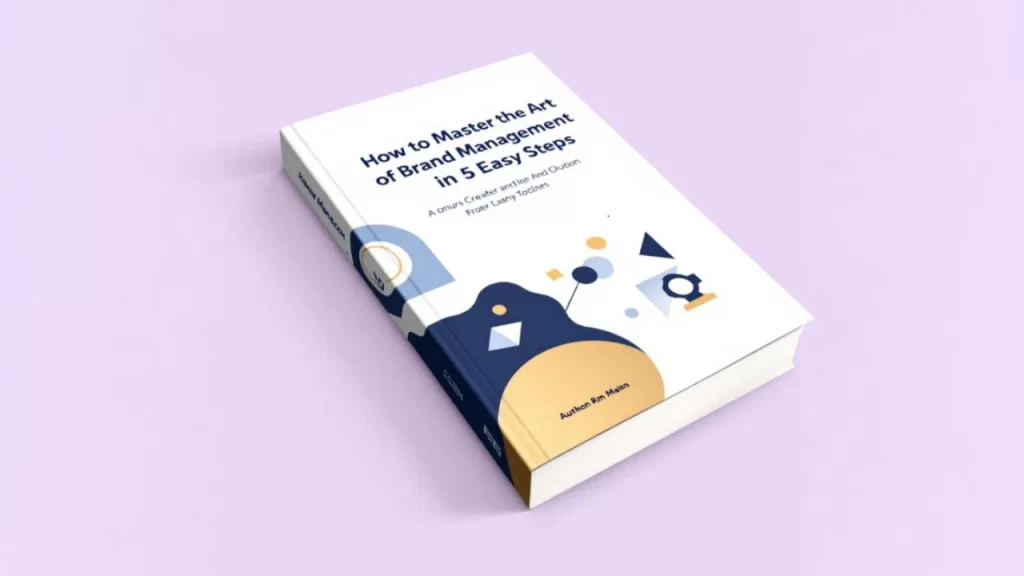
Why Brand Management Matters More Than Ever
A strong brand isn’t just a logo—it’s the emotional connection customers have with your business. Companies with powerful brands charge premium prices, foster loyalty, and stand out in crowded markets.
But how do you build and maintain a brand that resonates, inspires trust, and drives growth?
In this guide, you’ll discover 5 simple but powerful steps to master brand management—whether you’re a startup or an established business.
Let’s dive in!
Step 1: Define Your Brand Identity (The Foundation)
What Makes a Strong Brand Identity?
Your brand identity is more than visuals—it’s your:
✅ Mission & Values (Why do you exist?)
✅ Personality (Fun? Professional? Rebellious?)
✅ Voice & Tone (How you communicate)
✅ Visual Identity (Logo, colors, fonts)
Action Plan:
✔ Write a one-sentence brand mission. (Example: Nike – “To bring inspiration and innovation to every athlete in the world.”)
✔ Define 3-5 brand personality traits. (Is your brand playful, authoritative, or luxurious?)
✔ Create a brand style guide (Use Canva or Adobe Express).
Pro Tip: Survey customers to see how they already perceive your brand.
Step 2: Know Your Audience Inside Out
Why Audience Research Is Non-Negotiable
You can’t build a strong brand if you don’t know who you’re speaking to.
How to Deeply Understand Your Audience:
- Create Buyer Personas
- Demographics, pain points, goals.
- Tool: HubSpot’s Make My Persona (Free).
- Analyze Competitor Audiences
- What language do they use? What emotions do they trigger?
- Engage on Social Media
- Polls, DMs, and comments reveal real customer needs.
Example:
- Dove shifted from selling soap to championing real beauty—because they listened to women’s frustrations with unrealistic beauty standards.
Step 3: Craft a Consistent Brand Experience
Consistency = Trust
Customers should recognize your brand instantly, whether they see:
- Your website
- A social media post
- A customer service email
Brand Consistency Checklist:
✔ Visuals: Use the same colors, fonts, and logo variations.
✔ Messaging: Keep tone and voice uniform across all platforms.
✔ Customer Experience: Ensure every touchpoint (sales, support, packaging) feels “on-brand.”
Case Study:
- Apple maintains sleek, minimalist branding across products, ads, and stores—reinforcing premium quality.
Step 4: Build Emotional Connections (Beyond Logos)
People Don’t Buy Products—They Buy Stories
The best brands make customers feel something.
How to Create Emotional Branding:
- Tell Your Brand Story
- Why did you start? What’s your struggle? (Example: TOMS Shoes – “One for One” mission.)
- Use Nostalgia or Humor
- Old Spice rebranded with absurd humor to attract younger buyers.
- Stand for a Cause
- Patagonia’s environmental activism builds fierce loyalty.
Pro Tip: User-generated content (UGC) makes your brand feel relatable and authentic.
Step 5: Monitor & Adapt (Brand Management Never Stops)
Key Brand Health Metrics to Track:
📊 Brand Awareness (Surveys, Google Trends)
📊 Customer Sentiment (Social listening tools like Brandwatch)
📊 Engagement Rates (Likes, shares, comments)
When to Rebrand (or Refresh):
- Your audience evolves (Example: McDonald’s adding healthier options).
- Your brand feels outdated (Example: Burger King’s logo redesign).
- You’re expanding into new markets.
Tool: Use Hotjar to see how users interact with your website.
FAQs About Brand Management
1. How long does it take to build a strong brand?
- 6-12 months for recognition, years for deep loyalty.
2. Can small businesses compete with big brands?
- Yes! Niche branding (like Glossier’s “cool girl” vibe) beats generic giants.
3. What’s the biggest brand management mistake?
- Inconsistency (mixed messaging confuses customers).
4. How do I protect my brand reputation?
- Monitor reviews (Google Alerts, Trustpilot).
- Respond quickly to negative feedback.
5. Should I hire a brand manager?
- If scaling fast, yes—otherwise, start with these steps yourself.
Conclusion: Your Brand, Your Legacy
A powerful brand attracts customers, commands loyalty, and outlasts competitors. By following these 5 steps, you’ll:
✔ Define a unique identity
✔ Deeply understand your audience
✔ Deliver a consistent experience
✔ Forge emotional connections
✔ Adapt and grow over time
Your Action Plan:
1️⃣ Document your brand identity today (Mission, voice, visuals).
2️⃣ Engage with your audience (Surveys, social listening).
3️⃣ Audit your brand consistency (Website, emails, ads).
A great brand isn’t built overnight—but every step counts. Start now, and watch your business stand out, connect, and thrive.
Need inspiration? Check out:
Your brand is your story—make it unforgettable. 🚀