![[Brandz] Logo - White](https://brandzbulletin.com/wp-content/uploads/2024/06/Brandz-Logo-White.png)
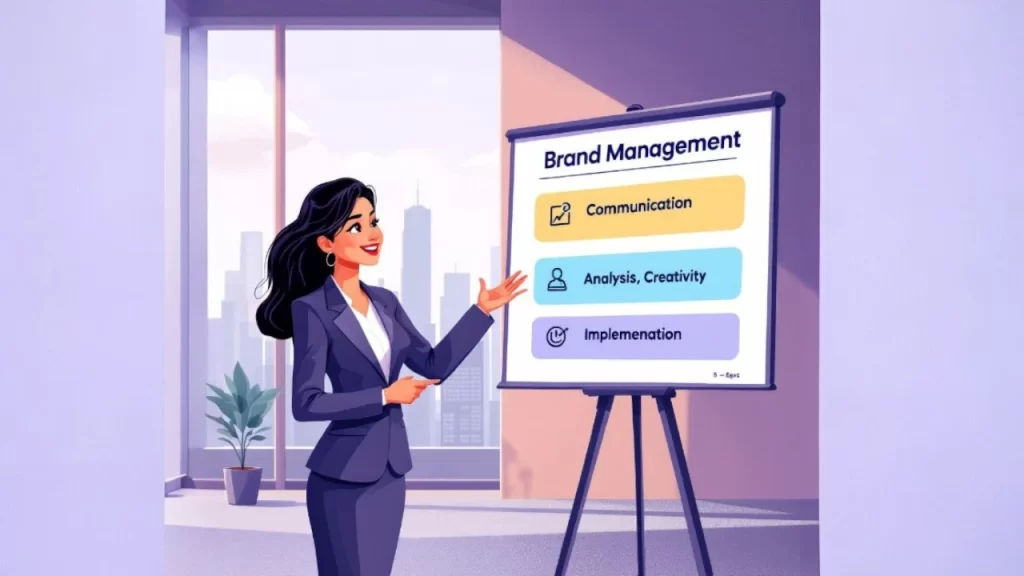
A strong brand isn’t just a logo or a tagline—it’s the emotional connection people have with your business. Whether you’re a startup or an established company, effective brand management can mean the difference between being forgotten and becoming iconic.
Think of brands like Apple, Nike, or Coca-Cola. Their success isn’t accidental—it’s the result of strategic brand management that aligns every touchpoint with their core identity.
In this guide, you’ll discover 5 actionable steps to master brand management and create a brand that resonates, inspires loyalty, and stands the test of time.
Step 1: Define Your Brand Identity (The Foundation of Everything)
What Makes Your Brand Unique?
- Mission & Vision – Why does your brand exist?
- Core Values – What principles guide your decisions?
- Brand Personality – If your brand were a person, how would it act?
Example: Patagonia isn’t just an outdoor apparel brand—it’s a champion of environmental activism, which shapes everything from product design to marketing.
Create a Brand Style Guide
- Visual Identity (Logo, colors, typography)
- Tone of Voice (Formal? Playful? Authoritative?)
- Messaging Pillars (Key themes in all communications)
Pro Tip: Use tools like Canva or Frontify to maintain consistency.
Step 2: Know Your Audience Inside Out
Build Detailed Buyer Personas
- Demographics (Age, location, income)
- Psychographics (Interests, fears, aspirations)
- Pain Points (What problems do they need solved?)
Data-Driven Insight:
Brands that personalize their messaging see 6x higher transaction rates (Salesforce).
Conduct Competitive Analysis
- What are competitors doing well?
- Where are the gaps in the market?
Tool to Use: SEMrush or Brandwatch for competitor benchmarking.
Step 3: Deliver a Consistent Brand Experience
Every Touchpoint Matters
- Website & Social Media – Does your Instagram reflect your brand voice?
- Customer Service – Are interactions aligned with your values?
- Packaging & Unboxing – Does it feel premium, eco-friendly, or fun?
Example: Glossier excels at consistent branding—from their minimalist packaging to their relatable social media presence.
Train Your Team
Ensure every employee—from sales to support—understands and embodies the brand.
Step 4: Build Emotional Connections (Beyond Products)
Tell Compelling Stories
- Founder’s journey (How did the brand start?)
- Customer success stories (How are lives changed?)
Example: Dove’s “Real Beauty” campaign wasn’t about soap—it was about self-esteem and empowerment.
Engage on Social Media Authentically
- Respond to comments like a human, not a robot
- Share user-generated content (UGC)
Pro Tip: Run brand sentiment analysis using Hootsuite Insights or Sprout Social.
Step 5: Monitor, Adapt, and Evolve
Track Brand Health Metrics
- Brand Awareness (Surveys, search volume)
- Brand Loyalty (Repeat purchases, referrals)
- Brand Equity (Perceived value vs. competitors)
Stay Ahead of Trends
- Adapt without losing core identity (Example: Netflix evolving from DVDs to streaming)
- Listen to customer feedback (Use tools like Hotjar or Trustpilot)
FAQs
How long does it take to build a strong brand?
Minimum 6-12 months of consistent effort—but lifetime rewards.
Can small businesses compete with big brands?
Yes! Niche focus + authenticity often beats big budgets.
What’s the biggest brand management mistake?
Inconsistency—confusing customers with mixed messages.
How do I handle a brand crisis?
- Respond quickly & transparently
- Take responsibility (Example: KFC’s “FCK” apology ad)
Do I need a brand manager?
If scaling, yes—otherwise, founders can manage early on.
Conclusion
Great brands aren’t built overnight—they’re cultivated with intention, consistency, and emotional intelligence. By following these 5 steps, you’ll create a brand that not only attracts customers but turns them into lifelong advocates.
Your Action Plan:
- Define your brand identity (If unclear, start today).
- Audit your current branding (Is it consistent?).
- Engage with your audience (Listen more, sell less).
The most powerful brands in the world don’t just sell products—they stand for something. What will yours stand for?
Internal Links:
External Links:
This comprehensive, no-fluff guide gives you the exact blueprint to build a brand that lasts—because in a crowded market, your brand is your most valuable asset. 🚀