![[Brandz] Logo - White](https://brandzbulletin.com/wp-content/uploads/2024/06/Brandz-Logo-White.png)
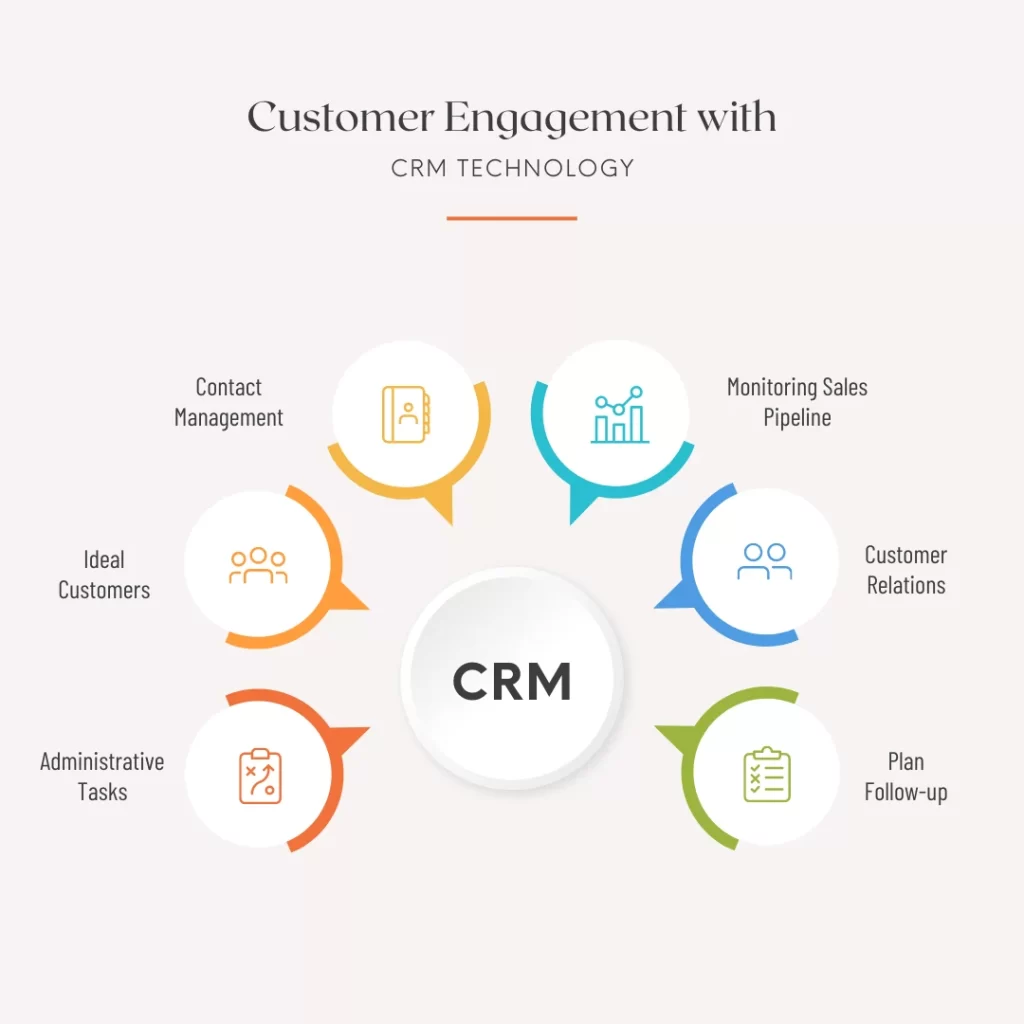
In today’s fast-paced digital world, businesses must prioritize customer engagement to stay competitive. Customer Relationship Management (CRM) technology has emerged as a powerful tool to help companies enhance their interactions with customers, streamline processes, and ultimately drive growth. This comprehensive guide will delve into the various aspects of CRM technology, its benefits, and how it can be leveraged to optimize customer engagement.
Understanding CRM Technology
What is CRM Technology?
Customer Relationship Management (CRM) technology refers to a suite of tools and applications designed to manage a company’s interactions with current and potential customers. These systems help businesses organize, automate, and synchronize sales, marketing, customer service, and technical support. By centralizing customer data, CRM technology enables companies to gain valuable insights into customer behavior, preferences, and needs.
The Evolution of CRM Technology
CRM technology has evolved significantly over the years. Initially, CRM systems were simple databases used to store customer information. However, with advancements in technology, modern CRM systems now offer a wide range of features, including:
- Automation: Automating repetitive tasks such as data entry, follow-up emails, and scheduling appointments.
- Analytics: Providing detailed reports and analytics to help businesses make data-driven decisions.
- Integration: Integrating with other business tools such as email marketing platforms, social media, and e-commerce systems.
- Customization: Allowing businesses to tailor the CRM system to their specific needs and workflows.
Benefits of CRM Technology for Customer Engagement
Enhanced Customer Insights
One of the primary benefits of CRM technology is the ability to gain deep insights into customer behavior. By analyzing customer data, businesses can identify patterns and trends that can inform their engagement strategies. For example, a CRM system can help identify which products or services are most popular among certain customer segments, allowing businesses to tailor their marketing efforts accordingly.
Improved Customer Service
CRM technology enables businesses to provide better customer service by centralizing customer information. When a customer contacts support, the representative can quickly access their history, preferences, and previous interactions. This allows for more personalized and efficient service, leading to higher customer satisfaction and loyalty.
Increased Efficiency and Productivity
By automating routine tasks, CRM technology frees up time for employees to focus on more strategic activities. For example, sales teams can spend more time building relationships with prospects rather than manually entering data. Additionally, CRM systems can streamline workflows and improve collaboration among team members, leading to increased productivity.
Targeted Marketing Campaigns
CRM technology allows businesses to segment their customer base and create targeted marketing campaigns. By understanding the unique needs and preferences of different customer segments, businesses can deliver personalized messages that resonate with their audience. This leads to higher engagement rates and better ROI on marketing efforts.
Better Sales Management
CRM systems provide sales teams with the tools they need to manage their pipeline effectively. Features such as lead scoring, sales forecasting, and opportunity tracking help sales representatives prioritize their efforts and close deals more efficiently. Additionally, CRM technology can provide valuable insights into the sales process, helping businesses identify areas for improvement.
Implementing CRM Technology
Choosing the Right CRM System
Selecting the right CRM system is crucial for maximizing the benefits of the technology. There are several factors to consider when choosing a CRM system, including:
- Features: Ensure the CRM system offers features that align with your business needs.
- Scalability: Choose a CRM system that can grow with your business.
- Ease of Use: The system should be user-friendly and easy to navigate.
- Integration: Ensure the CRM system can integrate with your existing tools and systems.
- Cost: Consider the total cost of ownership, including subscription fees, implementation costs, and ongoing maintenance.
Planning and Preparation
Before implementing a CRM system, it’s essential to have a clear plan in place. This includes defining your goals, identifying key stakeholders, and outlining the processes that will be impacted by the CRM system. Additionally, it’s important to clean and organize your existing customer data to ensure a smooth transition.
Training and Adoption
Successful CRM implementation requires buy-in from all team members. Provide comprehensive training to ensure employees understand how to use the system effectively. Additionally, encourages adoption by highlighting the benefits of the CRM system and addressing any concerns or resistance.
Continuous Improvement
CRM technology is not a one-time investment; it requires ongoing maintenance and improvement. Regularly review your CRM processes and make adjustments as needed to ensure the system continues to meet your business needs. Additionally, stay up-to-date with new features and updates to maximize the value of your CRM system.
Leveraging CRM Technology for Customer Engagement

Personalized Customer Interactions
One of the most powerful ways to leverage CRM technology is by personalizing customer interactions. Use the data stored in your CRM system to tailor your communications and offers to each customer’s unique preferences and needs. For example, you can send personalized emails with product recommendations based on a customer’s purchase history or follow up with a personalized thank-you message after a purchase.
Proactive Customer Service
CRM technology enables businesses to take a proactive approach to customer service. By analyzing customer data, you can identify potential issues before they escalate and address them proactively. For example, if a customer has a history of frequent support requests, you can reach out to them with a personalized offer or solution to prevent future issues.
Engaging Content and Campaigns
Use the insights gained from your CRM system to create engaging content and campaigns that resonate with your audience. For example, you can create targeted email campaigns based on customer segments or develop content that addresses common pain points and questions. Additionally, use CRM data to track the performance of your campaigns and make data-driven adjustments to improve results.
Building Customer Loyalty
CRM technology can help businesses build long-term customer loyalty by providing a seamless and personalized experience. Use the data in your CRM system to identify your most loyal customers and reward them with exclusive offers, discounts, or loyalty programs. Additionally, use CRM insights to identify at-risk customers and take proactive steps to re-engage them.
Measuring and Analyzing Engagement
Regularly measure and analyze your customer engagement efforts to ensure they are effective. Use the analytics and reporting features of your CRM system to track key metrics such as customer satisfaction, retention rates, and engagement levels. Additionally, use this data to identify areas for improvement and make data-driven adjustments to your strategies.
Conclusion
CRM technology is a powerful tool for optimizing customer engagement. By centralizing customer data, automating routine tasks, and providing valuable insights, CRM systems enable businesses to deliver personalized and efficient service, improve marketing efforts, and drive growth. To maximize the benefits of CRM technology, it’s essential to choose the right system, plan and prepare for implementation, and continuously improve your processes. By leveraging CRM technology effectively, businesses can build long-term customer loyalty and stay competitive in today’s digital landscape.
FAQs
1. What are the key features to look for in a CRM system?
When choosing a CRM system, look for features such as automation, analytics, integration, customization, and ease of use. These features will help you manage customer interactions more effectively and gain valuable insights into customer behavior.
2. How can CRM technology improve customer service?
CRM technology improves customer service by centralizing customer information, allowing representatives to access customer history and preferences quickly. This enables more personalized and efficient service, leading to higher customer satisfaction and loyalty.
3. What are the benefits of automating tasks with CRM technology?
Automating tasks with CRM technology frees up time for employees to focus on more strategic activities, such as building relationships with customers. It also streamlines workflows, improves collaboration, and increases productivity.
4. How can businesses use CRM data to create targeted marketing campaigns?
Businesses can use CRM data to segment their customer base and create targeted marketing campaigns. By understanding the unique needs and preferences of different customer segments, businesses can deliver personalized messages that resonate with their audience, leading to higher engagement rates and better ROI.
5. What steps should businesses take to ensure successful CRM implementation?
To ensure successful CRM implementation, businesses should choose the right CRM system, plan and prepare for implementation, provide comprehensive training, encourage adoption, and continuously improve their processes. Regularly review and adjust your CRM strategies to ensure they continue to meet your business needs.