![[Brandz] Logo - White](https://brandzbulletin.com/wp-content/uploads/2024/06/Brandz-Logo-White.png)
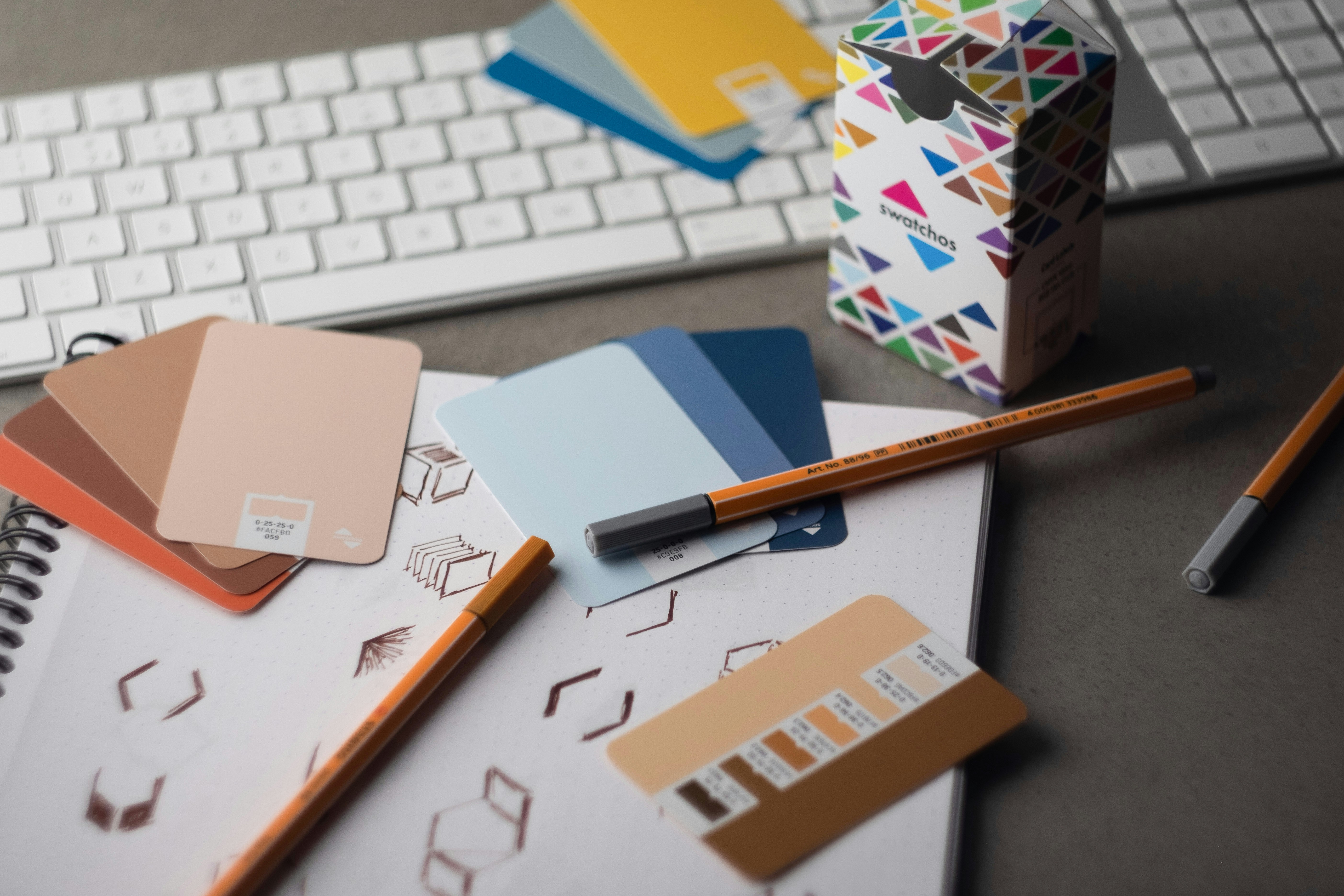
Many graphic designers, creative directors, and brand managers face the same recurring issue: brand visuals that simply do not stick. Audiences scroll past them without recall, leaving teams frustrated after investing hours in concepts that fade quickly. This disconnect often stems from outdated approaches that ignore shifting cultural and technological signals.
2026 brand design trends highlight this gap clearly. Surveys reveal creators turning toward elements like Reality Warp for immersive depth and GrannyWave for nostalgic textures, yet many brands stay locked in flat, generic aesthetics that fail to engage.
Hyper-personalization and AI-assisted creativity also stand out among 2026 brand design trends. Without adopting these, visual systems risk irrelevance as audiences expect tailored experiences.
The core pain remains lost recognition and weak engagement. Refreshed aesthetics drawn from current directions deliver concrete results, helping teams build visuals that last and connect directly with viewers.
Top Design Trends Revolutionizing Brand Visuals
2026 brand design trends are transforming the way brands present themselves in a competitive landscape. One major shift involves hyper-personalization design which tailors visuals to specific user segments using advanced data insights. This results in higher relevance and interaction rates for digital content.
Another exciting development is Reality Warp which incorporates distorted and otherworldly visuals to create intrigue. It pairs well with mixed media techniques that blend photography illustration and digital effects into unified brand narratives.
AI assisted creativity plays a growing role in streamlining the design process while supporting original ideas. Designers explore bold minimalism trends alongside subtle motion graphics branding to maintain clarity with added dynamism. These combinations keep brands looking current.
Tactile collage design brings depth through layered physical inspired elements. It draws from cultural contexts highlighted in recent features on emerging graphic tendencies for 2026. Elemental folk aesthetics add organic warmth using patterns from nature and tradition. These directions from 2026 brand design trends offer inspiration for creating standout work.
By adopting hyper-personalization design and mixed media approaches brands achieve stronger connections. Professionals in graphic design can use these to enhance their projects meaningfully and build lasting visual impact.
Visual identity frameworks benefit when incorporating these trends leading to memorable brand aesthetics that perform well across media. The focus remains on functionality and audience resonance through thoughtful integration. The trends also encourage experimentation with glitch and pixel effects to add modern edge to traditional branding.
Actionable Visual Identity Framework for Lasting Impact
Start by clarifying brand purpose and narrative before layering any visual elements. This foundation ensures trends serve meaning rather than distract from it. Next evaluate cultural signals from 2026 brand design trends such as hyper-personalization design and AI assisted creativity to inform system choices. Integrate these thoughtfully so personalization deepens audience connections without fragmenting consistency.
Build core components around bold minimalism trends paired with selective motion graphics branding for dynamic yet clean delivery. Test tactile collage design and elemental folk aesthetics in prototypes to add texture where it supports functionality. Avoid the pitfall of trend overload by limiting each system to three core directions maximum.
Implement feedback loops using real user data to refine outputs continuously. Monitor integration of AI into brand systems beyond aesthetics to prevent outdated assumptions.
Finally audit for resonance by checking memorable brand aesthetics against purpose at each stage. This framework delivered through 2026 brand design trends equips teams to create visuals that last and perform across platforms.