![[Brandz] Logo - White](https://brandzbulletin.com/wp-content/uploads/2024/06/Brandz-Logo-White.png)
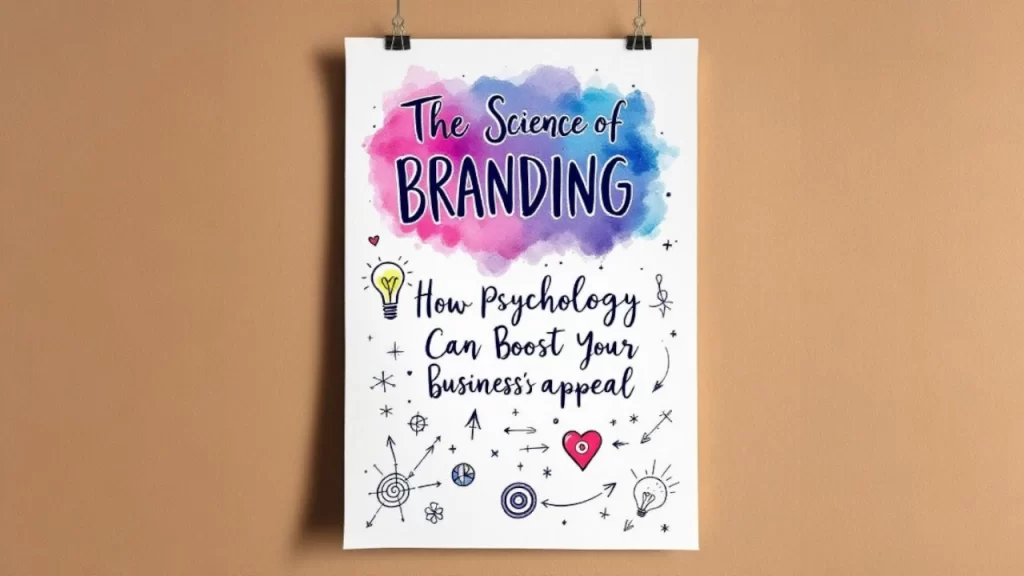
Branding is more than just a logo or a catchy tagline. The science of branding shows how psychology can boost your business’s appeal, influencing how customers perceive, engage with, and remember your brand. By understanding human behavior, emotions, and decision-making, you can create a brand that not only stands out but also resonates deeply with your audience.
What Is the Science of Branding?
The science of branding combines marketing, design, and psychology to shape consumer perception. It focuses on:
- How colors, fonts, and visuals affect emotions.
- How messaging influences decision-making.
- How consistency builds trust and recognition.
- How experiences create long-term loyalty.
By applying psychological principles, brands can strategically position themselves to attract attention and inspire action.
How Psychology Shapes Brand Perception
Human brains make decisions based on emotions more than logic. Psychology in branding helps you:
- Trigger emotions: Colors, sounds, and visuals evoke feelings that influence buying behavior.
- Enhance memory recall: Repetition and consistency make your brand more memorable.
- Create trust: Reliable, authentic branding builds credibility and reduces perceived risk.
- Influence choices: Framing, social proof, and scarcity affect purchasing decisions.
Understanding these mechanisms allows brands to connect deeply and meaningfully with their audience.
The Role of Color and Design in Branding
Colors and design are powerful psychological tools:
- Red: Excitement, urgency, passion (used in clearance sales).
- Blue: Trust, calm, professionalism (popular for finance and tech).
- Green: Growth, health, sustainability (used in eco-friendly brands).
- Typography: Bold fonts convey strength; script fonts communicate elegance.
Design consistency across websites, social media, and packaging reinforces brand recognition and builds credibility.
Storytelling: The Emotional Power Behind Your Brand
Stories create connections that logos and slogans alone cannot. A strong narrative:
- Engages emotions and fosters empathy.
- Makes your brand relatable and human.
- Encourages social sharing and community building.
- Reinforces values and purpose.
When psychology meets storytelling, your brand becomes more than a product—it becomes an experience.
Social Proof and Influence in Branding
People often look to others when making decisions. Social proof leverages this psychological principle to enhance brand appeal:
- Customer reviews and testimonials build credibility.
- Influencer endorsements expand reach and trust.
- Case studies and success stories demonstrate tangible value.
By strategically using social proof, brands reduce perceived risk and increase conversion rates.
Brand Consistency: Trust Through Repetition
Consistency is key to long-term branding success. Psychological research shows that familiarity breeds trust:
- Maintain consistent colors, fonts, and tone of voice.
- Use repetitive messaging across channels.
- Align marketing campaigns with your brand’s core values.
Over time, consistency strengthens recognition, loyalty, and authority in your industry.
The Impact of Cognitive Bias on Branding
Brands that understand cognitive biases can subtly influence decision-making:
- Anchoring: Presenting a higher-priced option first makes subsequent options seem more reasonable.
- Scarcity: Limited availability increases perceived value.
- Authority: Expert endorsements make offers more credible.
- Reciprocity: Free content or trials encourage customer loyalty.
By leveraging these biases ethically, brands can enhance appeal and engagement without manipulation.
Internal Link Suggestions
- Link to “From Good to Great: How to Transform Your Brand into a Market Leader”.
- Link to “Why Brand Management Is the Key to Long-Term Business Growth”.
External Authority Links
- Psychology Today – How Branding Influences Behavior
- Harvard Business Review – The Science of Brand Building
FAQs
How does psychology improve branding?
Psychology helps brands understand customer behavior, create emotional connections, and influence decision-making.
Which psychological tools are most effective in branding?
Color, storytelling, social proof, consistency, and cognitive biases are among the most powerful tools.
Can small businesses benefit from psychological branding?
Absolutely. Understanding psychology allows small brands to compete with larger companies by creating meaningful, memorable experiences.
How does storytelling impact customer loyalty?
Stories engage emotions, build relatability, and reinforce brand values, leading to stronger loyalty.
Is branding just about aesthetics?
No. While design matters, branding is also about perception, experience, and emotional connection.
Conclusion
The science of branding shows that businesses that understand psychology gain a competitive edge. By strategically using color, design, storytelling, social proof, and cognitive principles, your brand can boost appeal, attract loyal customers, and grow influence in the marketplace.
👉 Apply these psychological strategies today to transform your brand from ordinary to unforgettable.
Do you want me to create a Facebook post version for this article next so you can promote it on social media?