![[Brandz] Logo - White](https://brandzbulletin.com/wp-content/uploads/2024/06/Brandz-Logo-White.png)
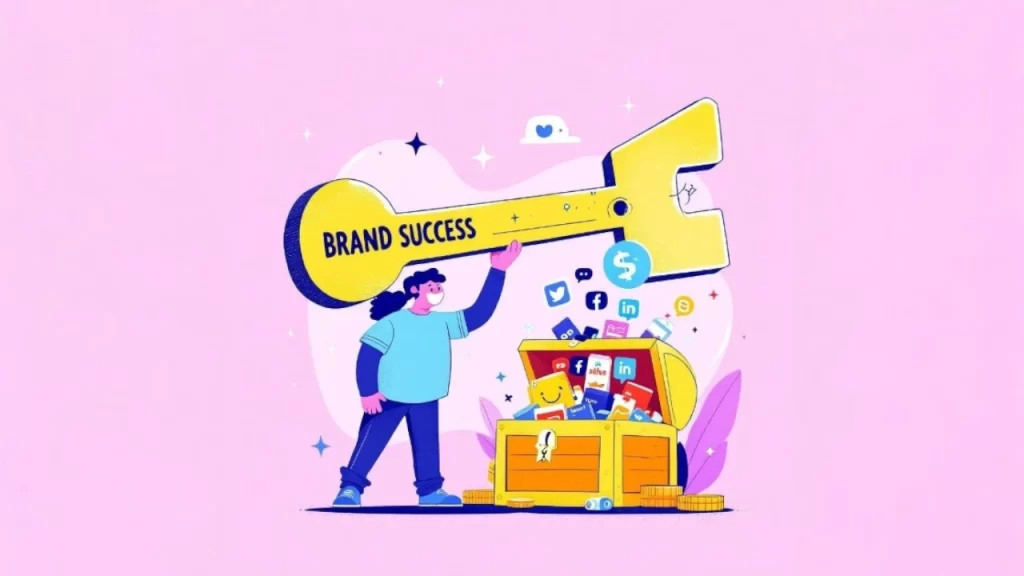
Why do some brands become household names while others fade into obscurity? It’s not just about having a great product—it’s about creating a brand that people remember, trust, and love.
Think about Nike, Apple, or Coca-Cola. They don’t just sell shoes, gadgets, or soda—they sell emotion, identity, and belonging. The difference between a forgettable business and an iconic brand comes down to a few powerful branding ingredients.
In this article, we’ll break down the science and psychology behind standout brands and reveal how you can apply these strategies—no matter your budget or industry.
1. A Compelling Brand Story (Why It Matters More Than Ever)
People don’t buy products—they buy stories. A strong brand narrative creates emotional connections that facts and features alone can’t.
How to Craft a Memorable Brand Story:
✔ Origin Story – How/why was your brand born? (Example: TOMS Shoes’ “One for One” mission.)
✔ Customer as the Hero – Position your brand as the guide helping them succeed.
✔ Authenticity – Share struggles, not just successes.
Case Study: Airbnb’s “Belong Anywhere” campaign transformed them from a rental platform to a global community movement.
2. A Distinct Visual Identity (Beyond Just a Logo)
Your visual identity is your silent salesperson. Consistency builds recognition.
Key Elements of a Strong Visual Brand:
- Logo – Simple, scalable, and meaningful (think Apple’s bitten apple).
- Color Psychology – Red (energy), blue (trust), green (health).
- Typography – Fonts convey personality (serious vs. playful).
- Imagery Style – Cohesive photos/graphics across all platforms.
Pro Tip: Create a brand style guide to ensure consistency.
3. A Unique Brand Voice (How You Sound Matters)
Your brand’s voice is its personality in words. Are you:
- Funny and bold (Old Spice)?
- Inspirational and empowering (Nike)?
- Professional and trustworthy (IBM)?
How to Define Your Brand Voice:
- Describe your brand in 3 adjectives (e.g., “friendly, expert, quirky”).
- Create do’s and don’ts for messaging (e.g., “We say ‘awesome,’ not ‘satisfactory’”).
Example: Innocent Drinks’ playful tone makes even their legal disclaimers entertaining.
4. Consistent Brand Experience (Every Touchpoint Counts)
A brand is more than a logo—it’s every interaction a customer has with you.
Where Consistency Matters Most:
✔ Website & Social Media – Same look, tone, and messaging.
✔ Customer Service – Train teams to embody brand values.
✔ Packaging & Unboxing – Surprise and delight (Glossier’s pink packaging is iconic).
Stat: Consistent branding increases revenue by up to 23% (Lucidpress).
5. Emotional Branding (The Secret to Loyalty)
People make decisions based on emotion, then justify with logic.
How to Tap Into Emotions:
- Nostalgia (Coca-Cola’s “Share a Coke” campaign).
- Belonging (Harley-Davidson’s “brotherhood” of riders).
- Aspiration (Tesla selling a “future of innovation”).
Neuroscience Fact: Strong brands trigger the same brain activity as religious or cultural symbols (Harvard study).
6. A Clear Brand Promise (What You Guarantee)
Your brand promise is what customers expect every time they engage with you.
Examples of Strong Brand Promises:
- FedEx: “When it absolutely, positively has to be there overnight.”
- Disney: “The happiest place on Earth.”
- Zappos: “Delivering WOW through service.”
Key: Underpromise, overdeliver.
7. Strategic Brand Partnerships (Amplifying Reach)
Smart collaborations introduce your brand to new audiences while reinforcing your identity.
Great Brand Partnership Examples:
- GoPro + Red Bull (Extreme sports synergy).
- Spotify + Starbucks (Music + coffee culture).
Rule: Partner with brands that share your values but aren’t competitors.
8. Community Building (Turning Customers into Advocates)
The strongest brands don’t just have customers—they have fans.
How to Build a Brand Community:
- Create a hashtag movement (#ShareACoke).
- Host exclusive events (Sephora’s Beauty Insider workshops).
- Engage user-generated content (GoPro’s customer adventure videos).
Stat: Customers in brand communities are 5x more loyal (CMO Council).
Key Takeaways for a Standout Brand
✔ Tell a compelling story – Make people care.
✔ Design a cohesive visual identity – Be instantly recognizable.
✔ Develop a unique voice – Sound human, not corporate.
✔ Deliver consistent experiences – Build trust at every touchpoint.
✔ Leverage emotions – Create deeper connections.
✔ Define a clear promise – And always deliver on it.
✔ Partner strategically – Expand your reach authentically.
✔ Foster community – Turn buyers into believers.
FAQs (Your Branding Questions Answered)
How long does it take to build a strong brand?
Awareness can spike quickly, but true brand loyalty takes 1-3 years of consistency.
Can small businesses compete with big brands?
Yes! Niche positioning and authenticity often beat big budgets (e.g., Dollar Shave Club vs. Gillette).
What’s the biggest branding mistake?
Inconsistency—changing logos, tones, or promises confuses customers.
How do I know if my branding is working?
Track brand recall (Do people recognize you?), sentiment (Do they feel positively?), and advocacy (Do they refer you?).
Is rebranding risky?
It can be—evolution (tweaks) is safer than revolution (total overhauls) unless absolutely necessary.
Final Thought: Be More Than a Business
A brand isn’t what you say it is—it’s what customers say it is. The most powerful brands stand for something bigger than their products.
Your Challenge: Audit your brand today—does it have a clear story, visual identity, and emotional hook? If not, start refining. The world doesn’t need another forgettable business—it needs your unique brand.
Internal Links:
External Links:
This article is designed to help you build a brand that stands the test of time—because in a noisy world, the strongest brands don’t just compete… they dominate. Now go make yours unforgettable. 🚀