![[Brandz] Logo - White](https://brandzbulletin.com/wp-content/uploads/2024/06/Brandz-Logo-White.png)
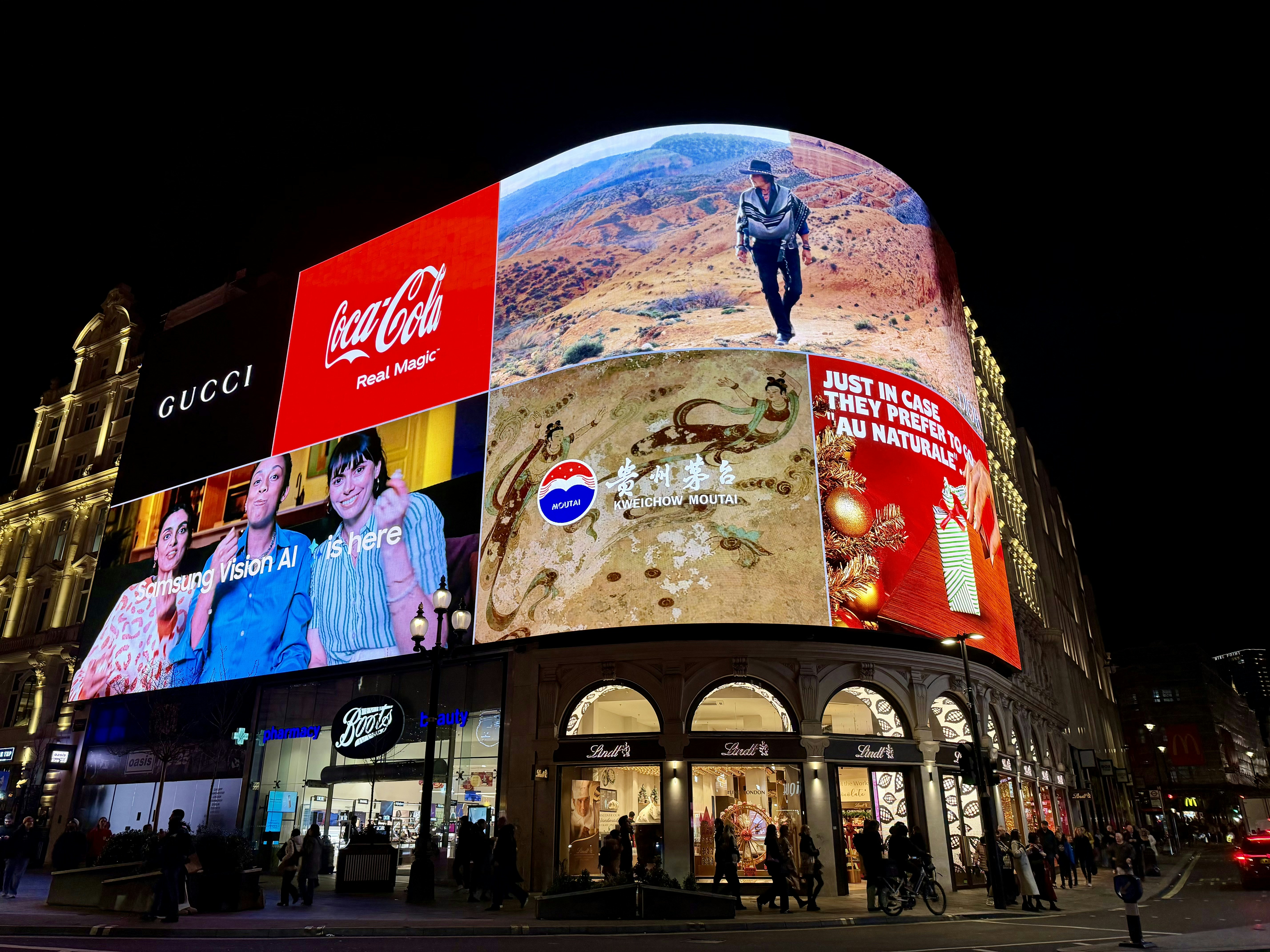
In 2026, brand positioning crumbles under crowded digital landscapes where consumers encounter thousands of messages daily, ignoring most without emotional pull. Traditional tactics emphasizing features or price no longer cut through; instead, branding trends 2026 like agentic AI shortlist options before human decisions, sidelining undifferentiated brands.
Fleeting attention spans—75% of digital ads unseen long enough for memory—demand modular content thriving in clipped, distracted consumption. Without niche specialization or emotional resonance, brands fade, as studies show strong positioning boosts revenue up to 20% via loyalty.
Consumer psychology reveals decisions stem 90% from subconscious emotions, not logic. Failing to forge trust through storytelling or AI-personalization leaves brands commoditized. Brand psychology stresses mirroring values for recall, yet many overlook cognitive biases like social proof.
Branding trends 2026 shift toward adaptive identities and sensory elements, punishing rigid visuals. Market research confirms 58% seek stress-reducing simplicity amid uncertainty, per Escalent insights.
Agency owners and strategists face AI-human balance risks; generic outputs erode authenticity, with 64% viewing AI content suspiciously. Proven brand positioning frameworks integrating local insights and tech prevail.
This analysis equips marketers to sidestep pitfalls, leveraging psychology and trends for standout equity. Future sections dissect frameworks, consumer shifts, and actionable steps for enduring loyalty.
Core Frameworks for Brand Positioning and Consumer Psychology
Proven brand positioning frameworks anchor success in 2026, blending niche focus with psychological triggers. Niche specialization, as in Vault Consulting’s nonprofit expertise, claims mental space via deep mastery, per Kedraco guide.
Emotional positioning taps brand psychology, where 90% of decisions arise subconsciously. Nike’s lifestyle narrative evokes aspiration, fostering loyalty through self-actualization alignment.
Golden Circle (Why-How-What) drives purpose-led communication, resonating amid consumer trends 2026 like values alignment, with 68% preferring belief-reflecting brands.
Brand Archetypes infuse personality—Hero for empowerment, Caregiver for trust—enhancing recall via universal patterns.
Positioning maps visualize competitive gaps, enabling differentiation on axes like quality-innovation. Sellers Dorsey owns Medicaid consulting via role-based focus.
Integrating branding trends 2026, adaptive identities flex across channels, while AI personalization predicts needs, boosting emotional bonds.
Psychological levers include social proof (Glossier communities) and cognitive biases like scarcity (Nike drops). Sensory cues—colors evoking trust—amplify subconscious impact.
- Niche + Emotion: FedEx’s overnight reliability.
- Archetypes + AI: Tailored storytelling at scale.
These tools equip strategists for differentiation, turning psychology into equity amid AI-driven markets.
2026 Branding Trends: AI, Authenticity, and Next Steps for Agency Owners
Agentic AI dominates branding trends 2026, executing shopping tasks and shortlisting via synthesis, with 71% consumers wanting integration. Optimize feeds for natural language, track upstream visibility.
Human premium authenticity surges against AI slop; 64% see generative content dangerous, 82% prefer human service. Logomaker trends highlight AI-human hybrids: hand-drawn overlays, grainy textures.
Community-driven loyalty via fandoms—92% Americans fans, Gen Z favors fan content. Duolingo’s native participation generated 1.7B impressions.
Adaptive brand identities flex modularly; motion-first, sensory audio like Netflix cue enhance recall.
Lippincott forecasts AI backlash elevating human-made premiums, youth culture savvy demanding purpose.
Next steps for agency owners:
- Audit: Map positioning gaps using frameworks, validate differentiators.
- AI Integrate: Personalize ethically, build GEO visibility.
- Authenticity Infuse: Human touches in content, community events.
- Measure: Track NPS, recall; iterate via feedback loops.
- Evolve: Annual reviews aligning consumer trends 2026.
FAQs
Q: Balance AI risks? Hybrid aesthetics preserve trust.
Q: Foster loyalty? Equip fandoms with co-creation tools.
Q: Sustain growth? Purpose-led, agile positioning yields 20% revenue lift.
Branding trends 2026 demand action for equity.
Sources
- https://www.kedraco.com/blogs/brand-positioning-strategy
- https://www.kedraco.com/blogs/brand-psychology
- https://irpr.agency/blog/brand-positioning-strategy-7-proven-frameworks-that-work-in-2026
- https://www.razorfish.com/articles/perspectives/five-consumer-trends-rewriting-brand-playbook-2026
- https://escalent.co/blog/top-consumer-trends-2026-market-research-insights-brands-need-to-build-winning-strategies/
- https://thebrandstrategylab.com/blog/branding-trends-were-going-to-see-this-year/
- https://www.logomaker.com/blog/branding-trends/
- https://www.lippincott.com/ideas/12-trends-set-to-define-2026/
- https://www.thebrandingjournal.com/2026/01/top-branding-design-trends-2026/
- https://monday.com/blog/marketing/brand-marketing-strategy/