![[Brandz] Logo - White](https://brandzbulletin.com/wp-content/uploads/2024/06/Brandz-Logo-White.png)

Many DTC brands invest heavily in paid acquisition yet overlook cohesive ecommerce branding. Their digital storefronts feature clean designs but lack personality that resonates with target customers. As a result, visitors browse without forming lasting attachments.
This gap shows up clearly in retention metrics. Without distinctive brand signals, shoppers treat products as commodities and switch to competitors offering lower prices. Data from successful DTC players shows that brands investing in unique storytelling see higher lifetime value.
Ecommerce branding falls short when it stops at logos and color palettes. True differentiation requires integration across every touchpoint, from site navigation to delivery. Brands that fail here miss opportunities to build emotional equity.
The outcome of improved ecommerce branding is clear: higher conversion rates and organic word-of-mouth. Customers who feel connected share their experiences, amplifying reach without extra ad spend.
This guide is written for DTC founders, e-commerce managers, and online retailers seeking actionable frameworks. It draws on 2026 strategies to address loyalty, packaging, and optimization challenges specific to direct-to-consumer models.
Sustainable packaging choices further strengthen brand perception when aligned with core values. Shoppers increasingly expect eco-friendly options that match the brand story told online. Ignoring this trend leaves DTC brands vulnerable to newer entrants who prioritize these details from day one.
Personalization in messaging and recommendations also plays a key role. Generic emails and product suggestions fail to create the sense of being understood that modern consumers crave. By contrast, data-driven approaches tied to a clear brand identity boost engagement and conversions.
Craft Memorable Unboxing Experiences That Drive Repeat Sales
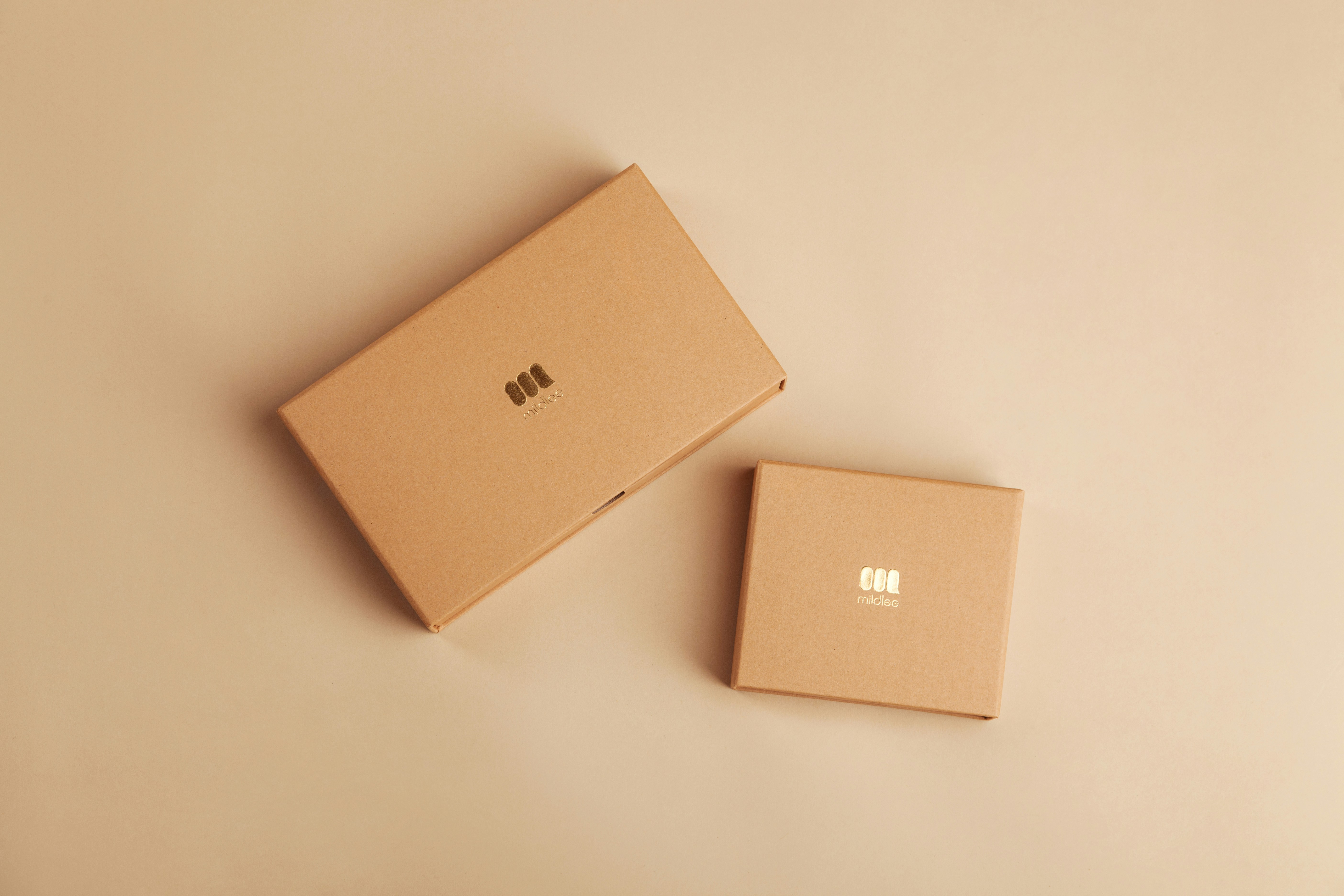
Unboxing experiences extend ecommerce branding beyond the website for DTC brands. Thoughtful packaging turns a simple delivery into an emotional moment that builds lasting connections. Customers who feel surprised and valued remember the brand and return more often.
Sustainable packaging leads 2026 tactics by aligning materials with brand values. Recyclable options and minimal waste appeal to conscious buyers while reinforcing a premium identity. Custom inserts and branded tissue add delight without complicating logistics.
Case studies highlight the impact. Apple and Glossier created anticipation through layered reveals and consistent details that elevated perception. Smaller DTC ecommerce brands achieve similar results by focusing on tactile elements and message cards that match their story.
Data-driven personalization strengthens these moments. Notes referencing past orders or preferred colors make each package feel individual. This approach supports brand loyalty strategies by turning routine shipments into relationship builders.
Prompts for UGC marketing inside the box encourage customers to share photos. Hashtags and social calls turn private unboxing into public advocacy that fuels organic growth. Emotional brand connections formed here translate directly into repeat sales.
Testing small changes first reveals what resonates most. Begin with core packaging then add layers of personalization. The result integrates unboxing experience into overall ecommerce branding to convert one-time buyers into advocates who drive conversions through authentic sharing.
Build Loyalty Programs and Optimize Storefronts for Lasting Conversions
Loyalty programs form the backbone of brand loyalty strategies for DTC ecommerce. They reward repeat buyers with points that reflect core ecommerce branding values. Members earn tiered benefits that deepen emotional ties and reduce churn.
UGC marketing integrates naturally here. Encourage participants to share photos and reviews that reinforce the brand identity across channels. These authentic assets improve ecommerce conversion optimization by building trust on product pages and in emails.
Storefront CRO begins with consistent messaging. Navigation, hero sections, and checkout flows must echo the same visual language established through unboxing experience and packaging. Personalization engines that reference order history lift average order value when aligned with brand voice.
Troubleshooting low engagement starts with redemption data. If rewards feel generic, swap them for experiences that match customer preferences identified in surveys. Test one change at a time to isolate impact.
FAQ
How soon do loyalty programs affect retention? DTC brands typically record higher repeat rates within 90 days.
Which tactics pair best with loyalty? Pair programs with sustainable packaging updates to extend the brand story from site to doorstep.
Next-step action plan: Review current loyalty metrics, map three UGC prompts to the unboxing flow, then launch one A/B test on the storefront homepage this week.