![[Brandz] Logo - White](https://brandzbulletin.com/wp-content/uploads/2024/06/Brandz-Logo-White.png)
Many brand visuals fall flat because they rely on generic outputs from AI tools. This leads to repetitive aesthetics that fail to connect with audiences. Graphic designers and brand managers see the result in campaigns that blend into the background rather than capture attention.
The shift toward human-centric design is gaining ground in 2026 graphic design trends. Human-centric design counters the sameness of automated work with authentic elements that feel personal and tactile.
Survey data shows demand rising for textures and imperfections. Tactile textures appear in global creator reports as a top preference. Brands adopting these elements in 2026 graphic design trends differentiate themselves effectively.
Frameworks that emphasize consistency across logo, typography, and color systems provide the structure needed. Step-by-step brand identity guidelines help teams build visuals that last beyond fleeting trends.
Mastering fresh approaches in 2026 graphic design trends and visual identity frameworks turns generic efforts into standout brand aesthetics that drive recognition and loyalty.
Top Graphic Design Trends Shaping Brand Visuals
2026 graphic design trends are moving brands away from sterile automation toward authentic and textured expressions. Designers now favor Elemental Folk patterns that blend cultural motifs with modern simplicity. These elements appear in logos and packaging to create immediate emotional connections.
Retro futurism is another strong direction. It mixes 80s neon aesthetics with clean typography. Creative directors use this style to evoke nostalgia while staying relevant in competitive markets. Chaos packaging trends add controlled disorder to product visuals, helping brands stand out on shelves.
Tactile textures continue to rise. Survey data from creators worldwide highlights their popularity for making digital assets feel physical. Brands incorporate these in web design and print to increase engagement.
Hyper-Bloom floral motifs offer vibrant, organic alternatives to minimalism. They work well for lifestyle and beauty sectors seeking fresh creative brand aesthetics.
The imperfect by design movement counters AI perfection. It embraces hand-drawn lines and subtle flaws to build trust and relatability in brand visual identity.
Visual identity frameworks help integrate these 2026 graphic design trends cohesively. Consistent application across touchpoints ensures memorable results. Creative teams can apply retro futurism to motion graphics while using tactile elements in static assets for balanced campaigns.
Step-by-Step Visual Identity Framework for Memorable Brands
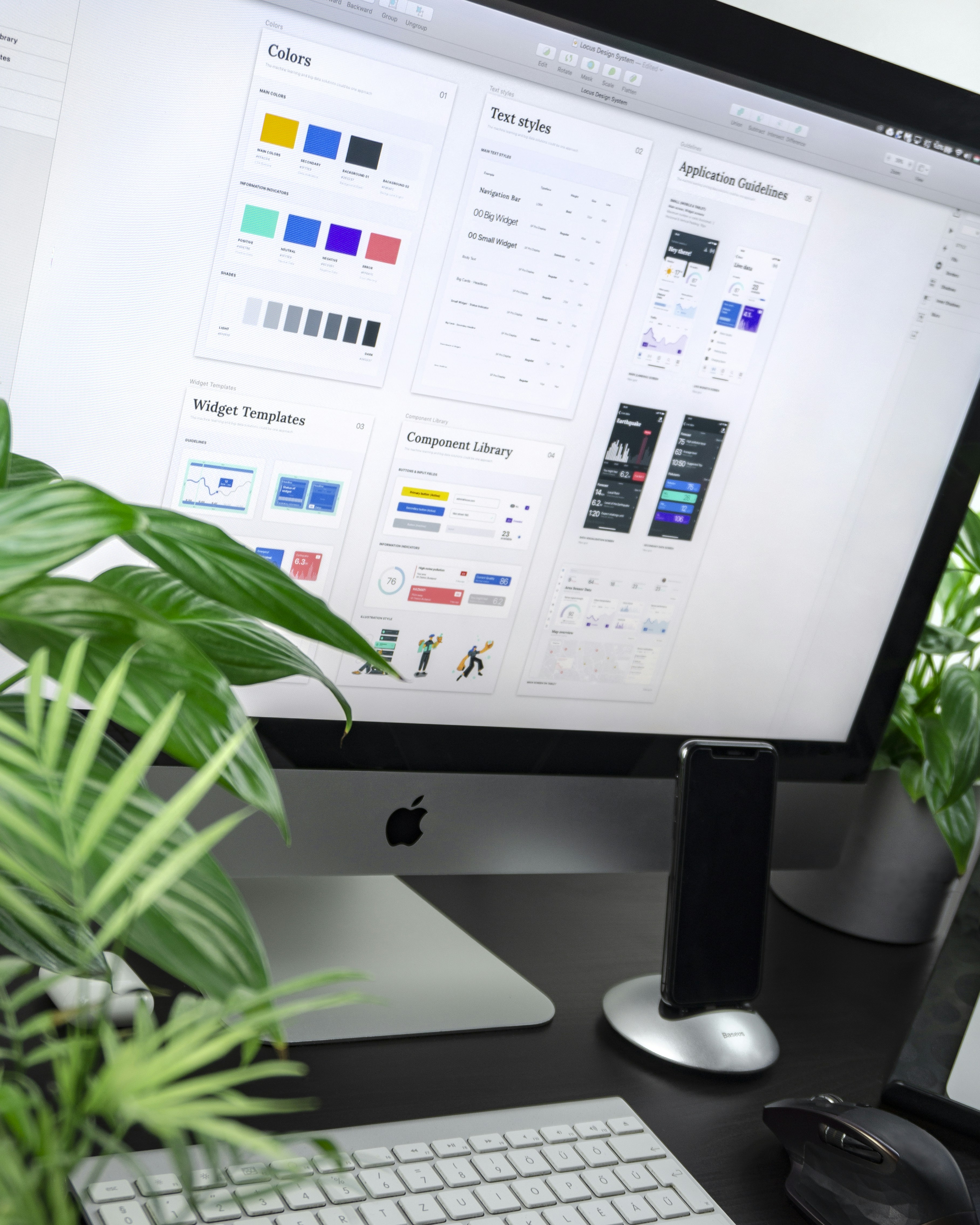
Building a memorable brand visual identity requires a structured approach. Begin with logo design that captures essence while remaining adaptable. Choose fonts that convey personality and ensure legibility across sizes. Define a limited color system to maintain cohesion in all materials.
Incorporate insights from 2026 graphic design trends by adding tactile elements where appropriate. These details elevate creative brand aesthetics and set brands apart.
Develop comprehensive visual identity frameworks that cover usage rules for every application. Reference authoritative guides on visual identity systems to cover every scenario systematically.
Apply the framework consistently as seen in examples from leading brands. Regular audits prevent drift and preserve recognition.
Update the brand identity guidelines annually to reflect shifts in 2026 branding trends. This keeps the visuals current without losing core identity.
Train teams thoroughly and provide templates for easy adherence. The result is a robust system that supports memorable and effective brand communications.
The process draws from proven step-by-step brand identity guidelines that focus on logo variations typography hierarchies and color usage scenarios. Include photography styles and illustration rules to support the overall look. Ensure scalability from social media icons to large billboards.
This structured method helps graphic designers and brand managers achieve consistency that builds trust. Pairing these foundations with current 2026 graphic design trends produces visuals that feel both timeless and contemporary.
Finally integrate feedback loops into the process to refine elements based on the performance data and audience response ensuring the visual identity remains dynamic yet true to its origins.
Sources
- https://www.vistaprint.com/hub/graphic-design-trends
- https://www.thebrandingjournal.com/2026/01/top-branding-design-trends-2026
- https://kota.co.uk/blog/branding-inspiration-brand-design-trends-for-2026
- https://www.designmantic.com/blog/design-forecast-2026
- https://author.envato.com/hub/graphic-design-trends-2026
- https://www.canva.com/newsroom/news/design-trends-2026
- https://www.bolderagency.com/journal/steps-to-building-brand-identity-guidelines-in-2025
- https://www.frontify.com/en/guide/visual-identity
- https://www.crowdspring.com/blog/brand-identity
- https://medium.com/@helena.vaher/brand-visual-identity-my-framework-for-building-a-brand-that-stands-out-470c6ee84d13