![[Brandz] Logo - White](https://brandzbulletin.com/wp-content/uploads/2024/06/Brandz-Logo-White.png)

In 2026, static visuals no longer cut through the digital clutter. Graphic designers and brand managers face a harsh reality: audiences scroll past cookie-cutter logos and AI-polished graphics craving authenticity and motion. With screens as primary touchpoints, brand design trends 2026 demand kinetic systems over rigid assets, yet many brands cling to outdated static identities.
Outdated palettes fail accessibility standards, ignoring AA contrast minimums essential for inclusive design. Typography lacks personality, missing expressive forms that convey tone instantly. Overly perfect AI outputs feel robotic, alienating users seeking human nuances like hand-drawn lines and tactile textures.
Graphic design trends 2026 highlight motion-led branding and mixed-media layers for depth, but without frameworks, implementations scatter. Brands lose recognition as visuals dilute across platforms.
The fix starts with embracing brand design trends 2026: motion-first identities, hand-crafted imperfection, and soft-glow gradients build emotional resonance. Strategic visual identity frameworks ensure consistency in logos, colors, and typography.
Audit current assets against trends like humanized AI and nostalgic layering. Implement guidelines for expressive typography and sensory elements. Result: Memorable brand aesthetics that engage, convert, and endure.
This guide delivers actionable steps—from trend integration to pitfall avoidance—empowering you to craft standout visuals that thrive in 2026’s dynamic landscape.
Top 2026 Graphic Design Trends for Standout Brand Identities
Brand design trends 2026 prioritize motion-first identities, transforming static logos into kinetic assets. Screens dominate interactions, so animated logos, motion-led UI, and kinetic typography convey tone and pace effectively. Quick win: Animate your logo in After Effects for social media, adapting dynamically to contexts.
Hand-crafted imperfection counters AI polish with tactile textures like hand-drawn lines and grain overlays. This builds emotional connections in automated worlds, as seen in Kittl’s naive design. Brands signal authenticity through subtle blemishes. Quick win: Overlay brush strokes on digital assets using Photoshop for warmth.
Expressive typography evolves as brand heroes, featuring bespoke letterforms and playful shapes. Digital Synopsys showcases liquid typography stretching dynamically. Integrate into wordmarks for instant recognition. Quick win: Experiment with variable fonts in Figma for elastic effects.
Type collage mixes fonts for high-impact energy, per Kittl reports. Perfect for saturated markets, it sets moods rapidly. Quick win: Layer 3-5 type styles in Canva for posters.
Humanized AI designs friendly UIs with empathetic cues, blending generative tools with oversight. Soft-glow gradients add cinematic depth, replacing neons.
Nostalgic layering mashes eras—Y2K with ’90s grunge—over modern forms. Sensory branding incorporates audio and haptics for multisensory recall.
These graphic design trends 2026 enhance brand identity systems 2026, fostering memorable aesthetics. Apply via audits: Test motion prototypes, texture samples, and inclusive contrasts for standout visuals.
Building Visual Identity Frameworks: Actionable Tips and Pitfalls to Avoid
Craft robust visual identity frameworks aligned with brand design trends 2026. Start with strategy: Define mission, audience, and positioning before visuals.
Logos: Build systems with primary lockup, secondary marks, and motion variants for motion first branding. Specify clear space, minimum sizes. Pitfall: Overcomplicating—keep scalable from favicon to billboard. Quick fix: Test pixel-sharp and organic shapes.
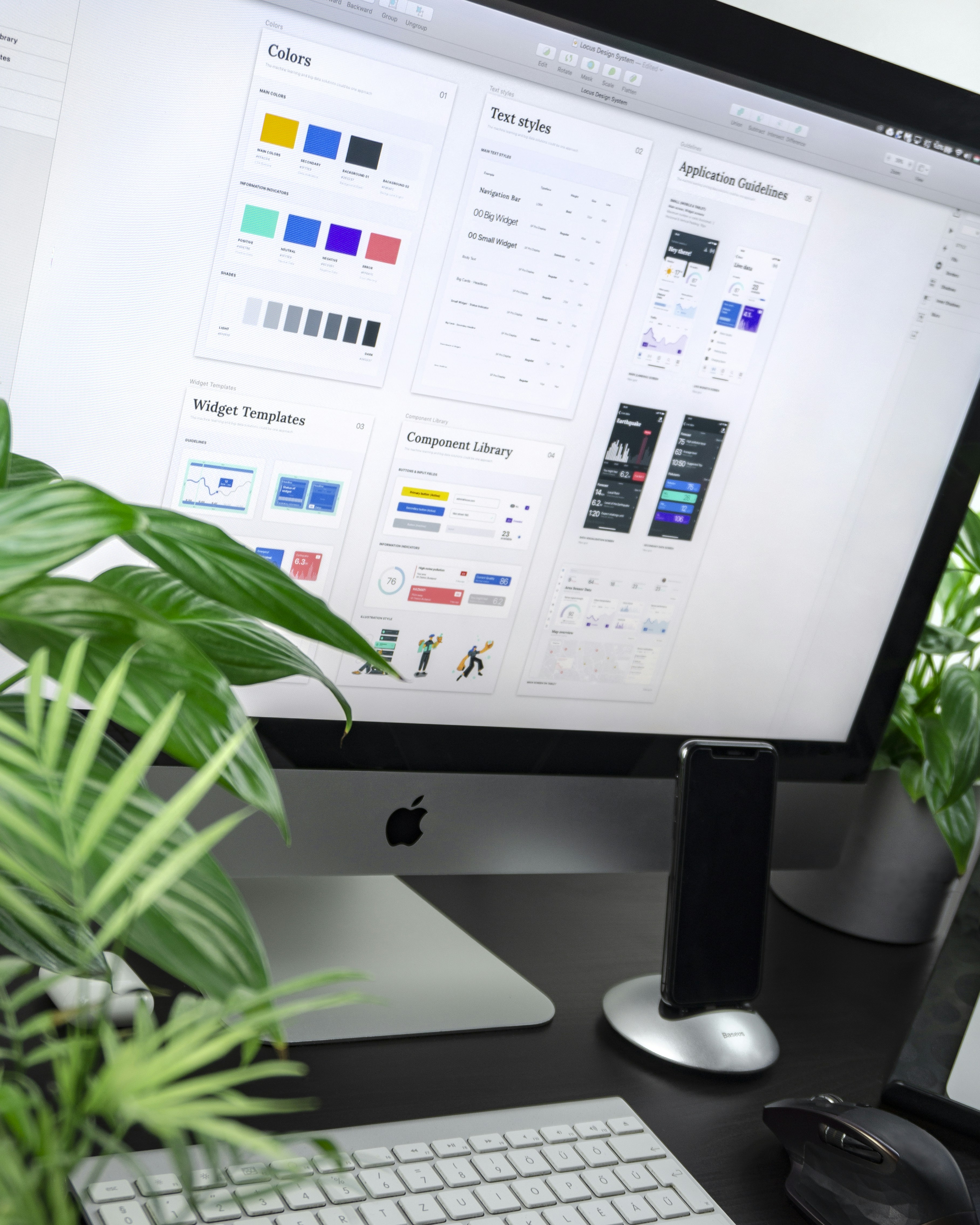
Colors: Select 2-3 primaries, neutrals, accents with hex/CMYK values. Embrace soft-glow gradients and inclusive contrasts meeting AA standards. Pitfall: Trend-chasing without accessibility. Audit: Use tools like WebAIM for ratios.
Typography: Choose headline (expressive, bespoke) and body fonts. Define hierarchy, weights, spacing. Integrate expressive typography branding like type collage. Pitfall: Inconsistency across platforms. Guideline: Limit to 2 families.
Document in guidelines: Dos/don’ts, templates. For brand identity systems 2026, add sensory elements like haptics.
Common pitfalls: Skipping audits, committee design, ignoring rollout costs. Troubleshoot: Annual reviews against graphic design trends 2026.
Next: Prototype in Figma, enforce via guardians.
FAQs
Q: How to integrate hand-crafted imperfection? Layer textures manually post-AI generation.
Q: Best for tactile textures branding? Wellness, food—adds warmth.
Achieve memorable brand aesthetics through disciplined frameworks.
Sources
- https://www.kittl.com/blogs/graphic-design-trends-2026/
- https://digitalsynopsis.com/design/graphic-design-trends-2026/
- https://www.canva.com/newsroom/news/design-trends-2026/
- https://www.adobe.com/express/learn/blog/design-trends-2026
- https://www.threerooms.com/blog/8-design-trends-shaping-brand-identity-in-2026
- https://www.thebrandingjournal.com/2026/01/top-branding-design-trends-2026/
- https://digitalsynopsis.com/design/logo-design-trends-2026/
- https://mbbagency.com/blog/six-design-trends-in-2026/
- https://spellbrand.com/blog/complete-guide-brand-identity-system
- https://www.kedraco.com/blogs/strategic-brand-design