![[Brandz] Logo - White](https://brandzbulletin.com/wp-content/uploads/2024/06/Brandz-Logo-White.png)
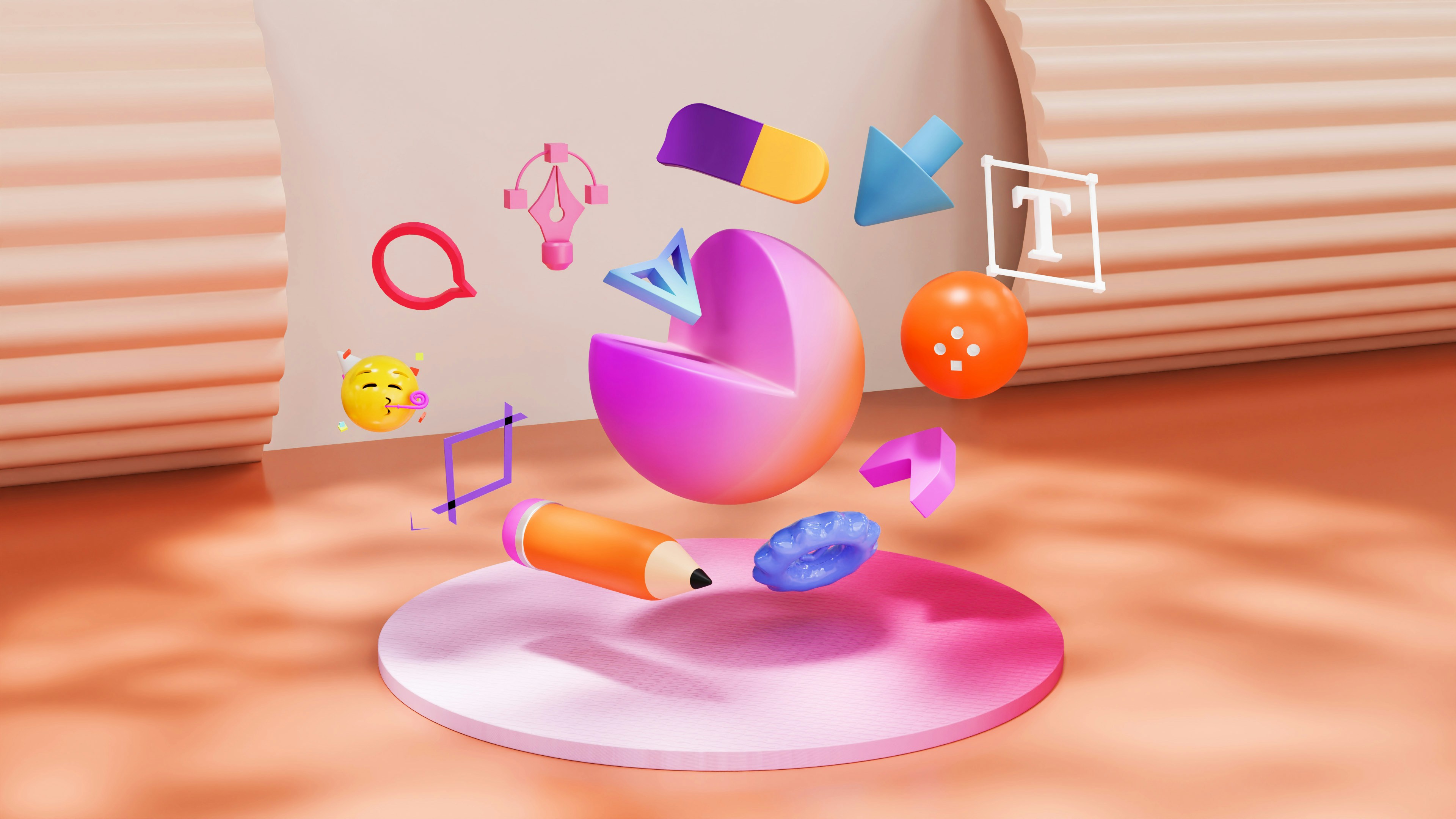
Your brand visuals might be polished, but they’re likely invisible in 2026’s crowded feeds. Graphic designers and brand managers face a harsh reality: outdated aesthetics no longer captivate. Audiences crave authenticity amid AI saturation, scrolling past generic perfection.
Kittl’s 2026 Graphic Design Trends report reveals the shift. Adobe’s 2024 Creative Trends Report showed a 30% rise in searches for hand-drawn, imperfect elements, countering digital fatigue. Figma’s 2024 survey found 60% of designers using AI for concepts, yet human touches dominate final outputs.
Static logos and rigid grids fall flat against dynamic platforms. Digital Synopsis lists 20 graphic design trends 2026, including motion-led branding and neo-brutalism, demanding visuals that move and disrupt.
Common pitfalls include over-polished imagery ignoring cultural nostalgia and tactile appeal. Threerooms highlights motion-first identities and hand-crafted imperfection as key brand identity trends 2026, fostering emotional connections.
The Branding Journal notes visual identities evolving into ‘lived sensations,’ blending AI agents with sensory experiences for memorable brand aesthetics.
Embrace graphic design trends 2026 like naive design—wobbly doodles proving human creation—and type collage for high-impact typography. Canva’s ‘Imperfect by Design’ echoes this, backed by global surveys showing Opt-Out Era preferences.
These shifts promise concrete wins: higher engagement, stronger recall, future-proof visuals. Next, explore top trends and visual identity frameworks to implement them effectively.
Top Graphic Design Trends 2026: From Naive Imperfection to Motion-First Identities
Graphic design trends 2026 prioritize human authenticity over AI polish. Leading is the naive design trend, featuring childlike doodles, scratchy lines, and uneven fills that signal handmade sincerity. Kittl’s report notes its rise as audiences reject generic perfection, perfect for approachable food brands and startups https://www.kittl.com/blogs/graphic-design-trends-2026/.
Type collage explodes typography into eclectic mixes of fonts, sizes, and styles for instant visual punch. Digital Synopsis ranks it high among 20 trends, echoing DIY zines for Gen Z appeal in social media https://digitalsynopsis.com/design/graphic-design-trends-2026/.
Blueprint aesthetics dissect products into labeled schematics, blending technical precision with playful obsession. Kittl recommends AI-generated grids layered under designs for engineered allure in fashion and tech.
Humanized AI visuals fuse machine efficiency with tactile warmth, like brush strokes over gradients. Threerooms identifies this as hybrid intelligence in brand identity trends 2026, humanizing interfaces for empathy https://www.threerooms.com/blog/8-design-trends-shaping-brand-identity-in-2026.
Motion-first branding animates everything from logos to UI, conveying rhythm on screens. Digital Synopsis and Threerooms emphasize kinetic systems adapting to context for dynamic presence.
Quick wins: Sketch naive icons freehand; collage type for posters; blueprint packaging; add grain to AI outputs; animate logos in Figma. These deliver memorable brand aesthetics immediately, boosting recall in fast-scroll environments.
Visual Identity Frameworks and Actionable Tips for Memorable Brand Aesthetics
Integrate graphic design trends 2026 into robust visual identity frameworks for scalable, impactful brand visuals 2026. Fieldtrip outlines 10 brand strategy frameworks, including adaptive positioning and modular systems, with free templates for team alignment https://www.fieldtrip.agency/post/brand-strategy-frameworks.
Motion-First Systems: Threerooms details this brand identity trends 2026 staple, where motion defines tone over static assets https://www.threerooms.com/blog/8-design-trends-shaping-brand-identity-in-2026.
- Map core elements (logo, type) to animated states.
- Create kinetic typography variants.
- Test UI behaviors for contextual adaptation.
- Export motion guidelines for partners.
Yields dynamic presence on screens, boosting engagement.
Modular Identities: Break visuals into flexible components—colors, patterns, naive design elements—for remix across platforms. Digital Synopsis supports with bento grids and mixed-media https://digitalsynopsis.com/design/graphic-design-trends-2026/.
- Define ‘brand spine’ (non-negotiables).
- Build variant libraries (e.g., grainy blur overlays).
- Localize via global-local matrix.
- Audit quarterly for drift.
Implementation Tips:
- Layer human touches: Add grain or distortion post-AI generation per Kittl https://www.kittl.com/blogs/graphic-design-trends-2026/.
- Animate subtly: 2-3 second loops prevent overload.
- Prototype in Figma: Test naive icons with type collage.
Troubleshoot Mistakes:
- Over-motion: Caps at 30% assets; prioritize stillness.
- Inconsistency: Enforce spine rules in briefs.
- Ignoring accessibility: AA contrast minimum per Threerooms.
Next: Audit current visuals against these; download Fieldtrip templates; iterate weekly. Achieve memorable brand aesthetics resilient to graphic design trends 2026 shifts.
Sources
- https://www.kittl.com/blogs/graphic-design-trends-2026/
- https://digitalsynopsis.com/design/graphic-design-trends-2026/
- https://www.adobe.com/express/learn/blog/design-trends-2026
- https://www.canva.com/design-trends/
- https://www.threerooms.com/blog/8-design-trends-shaping-brand-identity-in-2026
- https://www.thebrandingjournal.com/2026/01/top-branding-design-trends-2026/
- https://digitalsynopsis.com/design/logo-design-trends-2026/
- https://www.canva.com/newsroom/news/design-trends-2026/
- https://www.fieldtrip.agency/post/brand-strategy-frameworks
- https://visuable.co/blog-visuable/design-trends-2026