![[Brandz] Logo - White](https://brandzbulletin.com/wp-content/uploads/2024/06/Brandz-Logo-White.png)
Many graphic designers, creative directors, and brand managers watch their carefully crafted visuals get ignored. The root cause often lies in outdated approaches that ignore emerging 2026 brand design trends. Instead of embracing humanized branding elements like hand-drawn textures or authentic imperfections, teams stick with sterile corporate looks. This disconnect leaves audiences unmoved and brands invisible in competitive spaces.
Limiting beliefs play a major role too. Some assume that following logo trends 2026 means sacrificing professionalism or long-term consistency. In reality, incorporating motion-first design and tactile graphic trends creates dynamic identities that feel alive. Sources highlight how these choices signal relevance without chasing gimmicks.
Adopting solid visual identity frameworks solves the problem. Start by exploring color psychology in branding to select palettes that evoke specific emotions. Layer in anti-AI design imperfection for organic appeal and sustainability messages. The outcome is clear: memorable brand aesthetics that drive recognition, loyalty, and business results. Your next projects can deliver exactly that when you align with these principles. Research from industry leaders shows that brands updating to these methods see measurable lifts in audience interaction. Avoid repeating past mistakes like rigid minimalism that dominated previous years. Instead, blend surreal imagery with warm personal styles for zine-inspired layouts that feel fresh yet approachable. This balanced path ensures your work stands the test of time while delivering the memorable brand aesthetics your clients expect. Apply the frameworks consistently across all touchpoints to maximize impact and achieve lasting success.
2026 Brand Design Trends and Real-World Examples
2026 brand design trends center on humanized branding elements that create emotional connections. Hand-drawn textures and authenticity signals replace sterile designs, with forecasts showing organic illustrations building trust across industries. humanised visual identity provides clear cases where brands leverage these for stronger audience bonds.
Logo trends 2026 feature kinetic marks that shift and adapt dynamically. Childlike anarchy brings irregular playful forms that energize digital touchpoints. Agencies demonstrate real applications in lifestyle and tech sectors where engagement rises noticeably.
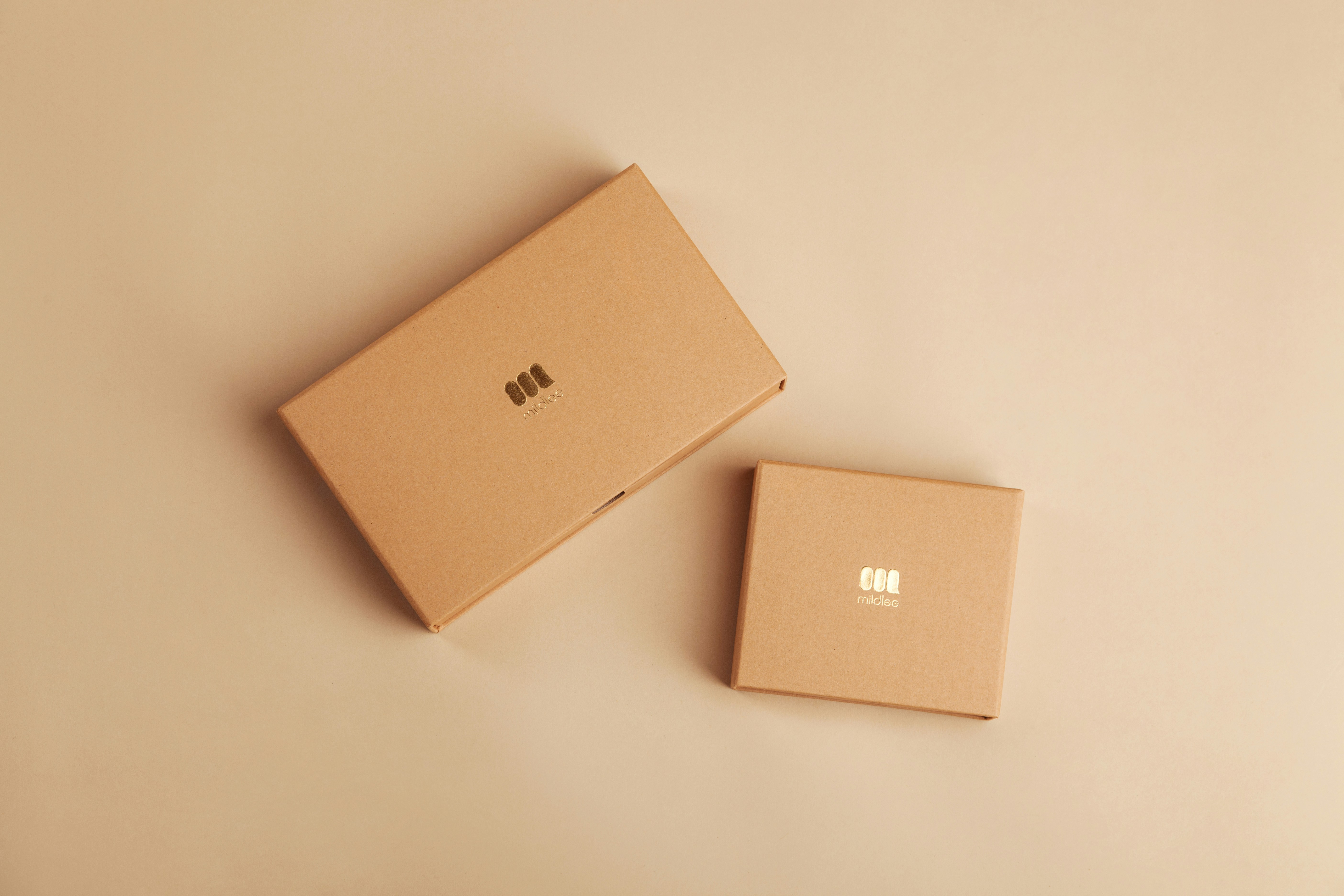
Motion-first design embeds animation and sound into brand systems for multisensory impact. Tactile graphic trends add physical depth through textured packaging and materials. These choices emphasize anti-AI design imperfection to restore human warmth in an automated landscape.
Color psychology in branding directs selections toward warm palettes that convey comfort and energy. Surreal imagery combines with zine layouts for narrative richness. Frutiger Aero Revival and Digi-Cute styles blend nostalgia with contemporary appeal, offering fresh implementation paths.
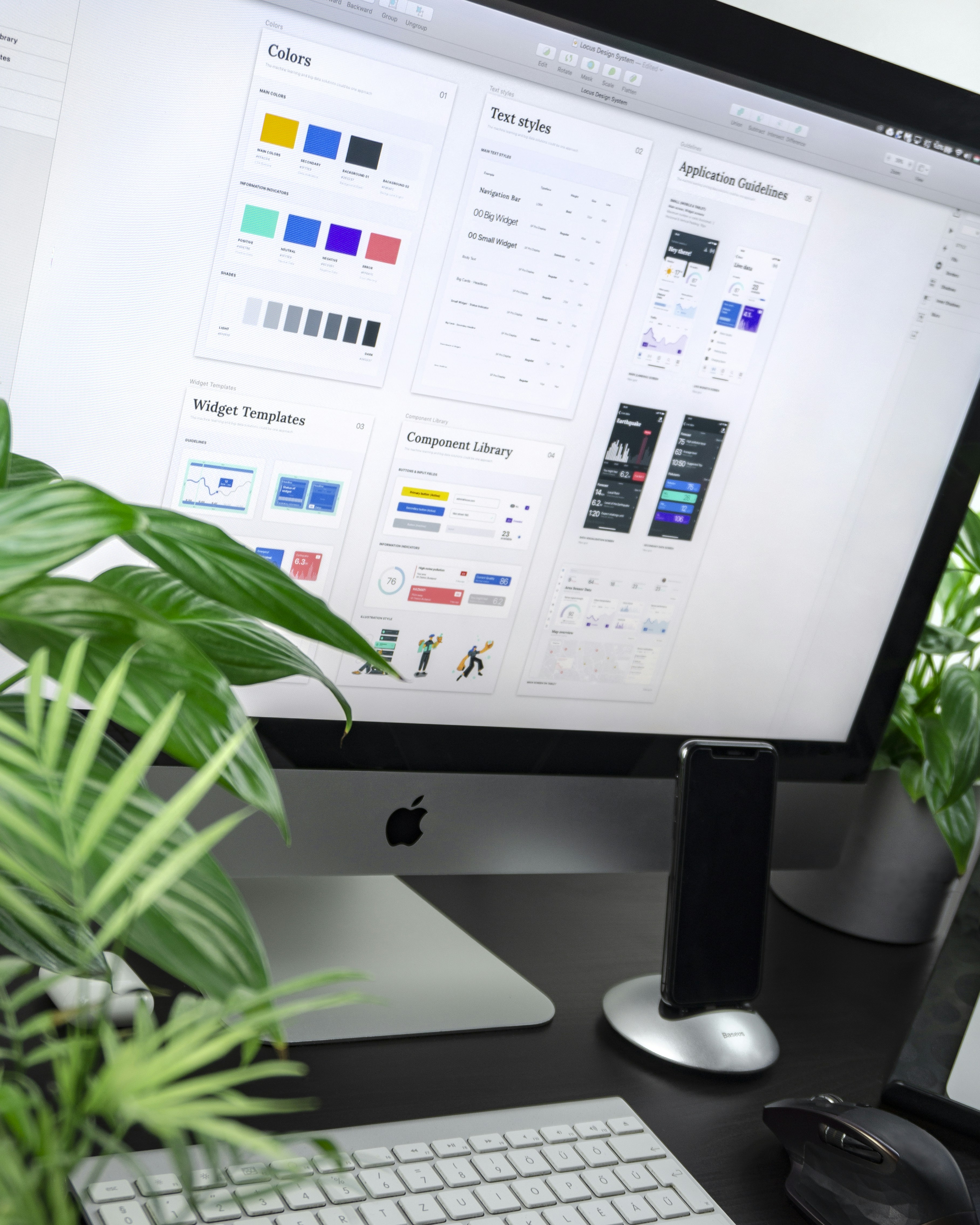
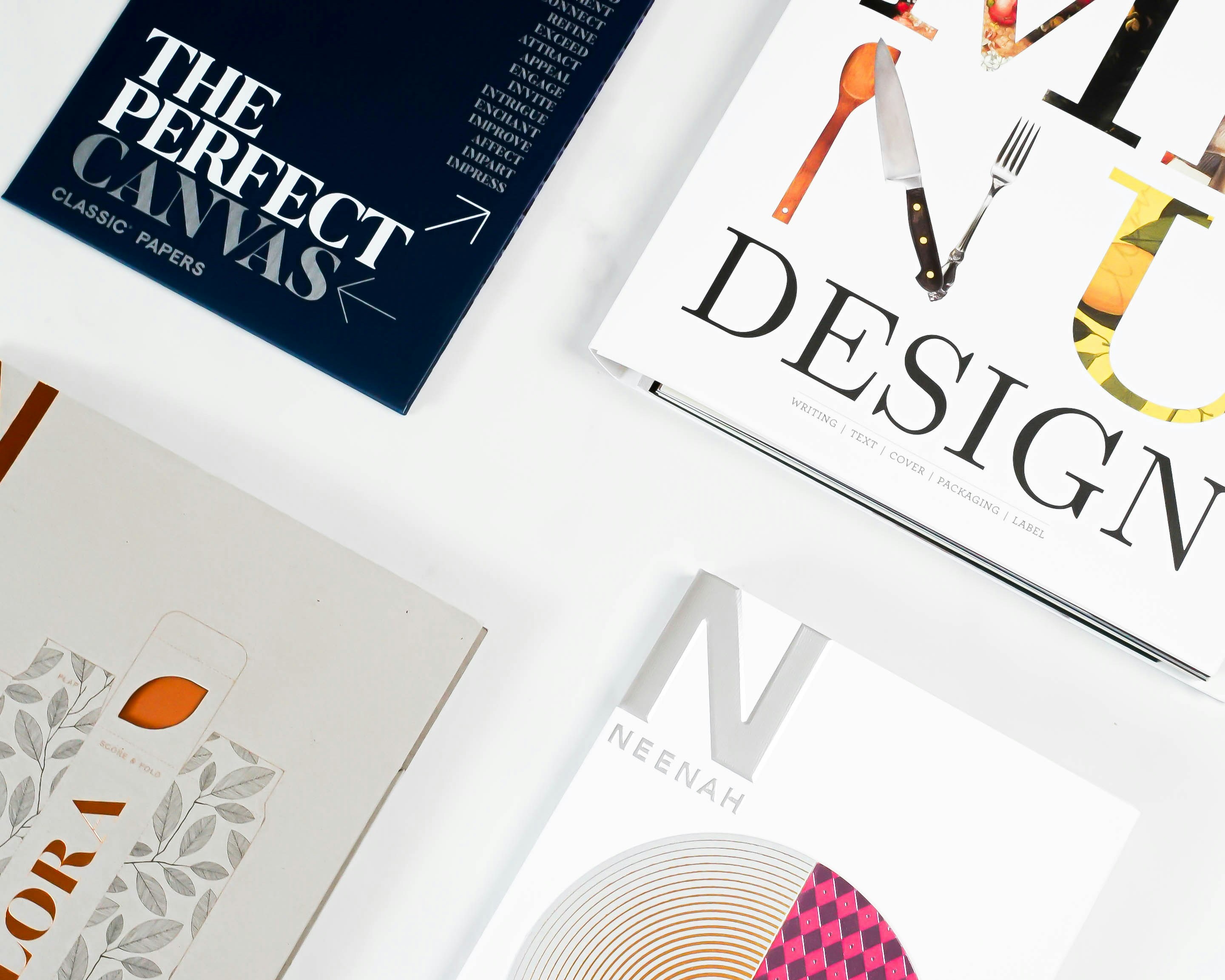
Visual identity frameworks organize typography, 3D elements, and layouts into unified experiences. Sustainability practices encourage recycled substrates within tactile work. Creative directors gain durable results by blending these 2026 brand design trends into cohesive strategies.
Avoiding rigid minimalism from prior years allows memorable brand aesthetics to emerge. Cultural context behind each trend supports tailored executions across markets. The outcome remains consistent identities that resonate and perform over time.
Build Your Visual Identity Framework: Steps, Pitfalls, and Next Actions
Begin with color palettes informed by color psychology in branding to establish emotional resonance from the start of any project. Select typography that supports motion-first design for dynamic digital presence and adaptability in various formats. Incorporate humanized branding elements such as hand-drawn details to differentiate from generic outputs in the market and create stronger bonds with audiences.
Next integrate logo trends 2026 like kinetic variations while maintaining consistency across all applications and media types used by the brand. Test tactile graphic trends in physical materials to add sensory depth and engagement for users interacting with products. Use anti-AI design imperfection through irregular forms for authenticity and relatability in the final output delivered to clients.
Common pitfalls include over-relying on minimalism or ignoring sustainability signals that audiences now expect from modern brands today. Skipping research into 2026 brand design trends leads to dated and forgettable results that fail to connect with intended viewers effectively. Ensure all elements align under one visual identity frameworks to avoid fragmentation and confusion among stakeholders involved in the process.
For next actions audit current assets against emerging practices from reliable forecasts and industry reports available online. Prototype with surreal imagery and zine layouts for narrative appeal and creative expression in campaigns. Measure audience response to refine memorable brand aesthetics and optimize performance over multiple iterations of the design. Iterate by blending these approaches into cohesive campaigns that deliver lasting impact and growth for the business overall.
Sources
- https://kota.co.uk/blog/branding-inspiration-brand-design-trends-for-2026
- https://elements.envato.com/learn/logo-and-branding-trends
- https://www.threerooms.com/blog/8-design-trends-shaping-brand-identity-in-2026
- https://www.vistaprint.com/hub/graphic-design-trends
- https://rgd.ca/articles/2026-top-5-branding-trends-of-2025-we-should-stop-repeating-in-2026
- https://www.crowdspring.com/blog/brand-identity
- https://visme.co/blog/brand-identity
- https://digitalsynopsis.com/design/graphic-design-trends-2026
- https://www.adobe.com/express/learn/blog/design-trends-2026
- https://www.krumzi.com/blog/12-graphic-design-trends-shaping-2026-and-how-ai-is-changing-the-game