![[Brandz] Logo - White](https://brandzbulletin.com/wp-content/uploads/2024/06/Brandz-Logo-White.png)
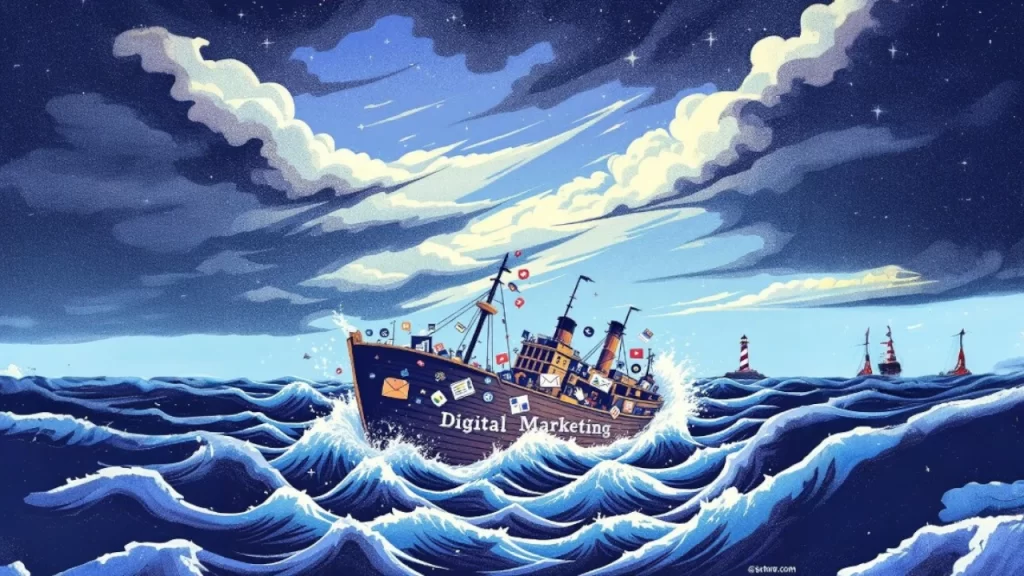
Why Most Digital Marketing Strategies Fail
If your digital marketing strategy isn’t delivering results, you’re not alone. Many businesses struggle with wasted ad spend, low engagement, and declining conversions because they miss critical elements of success. The good news? Fixing these gaps can transform your marketing into a growth machine.
The Silent Reasons Your Strategy Isn’t Working
Lack of Clear Goals and KPIs
Without specific, measurable goals, your campaigns become guesswork. Brands that don’t define SMART KPIs (specific, measurable, achievable, relevant, time-bound) can’t track progress—or optimize effectively.
Ignoring Your Target Audience
Many businesses focus on selling instead of understanding. If you don’t know your audience’s pain points, interests, and digital behaviors, even the best campaigns will fall flat.
Weak Value Proposition
If your messaging doesn’t answer, “Why should I choose you over competitors?”—you’ll lose attention fast. Consumers expect unique solutions, not generic promises.
Over-Reliance on Paid Ads
Paid ads can generate quick results, but without organic content strategies like SEO, email nurturing, and social engagement, you’re building on rented land.
Poor SEO Implementation
Ranking low on search engines means fewer opportunities to connect with your audience. Weak keyword targeting, thin content, or ignoring technical SEO can severely limit visibility.
How to Fix a Broken Digital Marketing Strategy
Start With a Strong Foundation: Clear Objectives
Define what success looks like. Is it lead generation, sales, traffic, or brand awareness? Once clear, break them down into measurable KPIs. For example:
- Increase organic traffic by 30% in 6 months.
- Generate 100 qualified leads monthly.
Redefine Your Audience With Data
Invest in audience research. Use tools like Google Analytics, SEMrush, or Facebook Insights to understand demographics, behaviors, and content preferences. Develop buyer personas that guide your campaigns.
Strengthen Your Brand Messaging
Craft a compelling unique selling proposition (USP). Ask:
- What problem do we solve better than anyone else?
- Why should customers trust us?
- What emotions do we want to trigger?
Build an SEO-Driven Content Strategy
Content is the backbone of digital marketing. Focus on:
- Keyword research: Target long-tail keywords with high intent.
- Topic clusters: Create pillar pages supported by related blogs.
- Content formats: Mix blogs, videos, infographics, and podcasts for wider reach.
Optimize for Conversion (CRO)
Driving traffic is useless if visitors don’t convert. Test and optimize landing pages, CTA buttons, and forms. A/B testing tools like Optimizely can reveal what resonates best with users.
Diversify Your Channels
Don’t rely on a single traffic source. A strong digital strategy includes:
- Organic SEO
- Social media marketing
- Email campaigns
- Influencer partnerships
- Retargeting ads
Leverage Marketing Automation
Automation tools like HubSpot or ActiveCampaign streamline lead nurturing, email sequences, and customer journeys—saving time and boosting engagement.
Measure, Analyze, and Adapt
Digital marketing isn’t static. Continuously review analytics to identify what’s working and cut what isn’t. Agile marketers outperform because they adapt faster.
Common Pitfalls to Avoid
Chasing Vanity Metrics
Likes and shares are nice, but if they don’t lead to sales or conversions, they’re distractions.
Copying Competitors Blindly
What works for one brand might fail for yours. Use competitors for inspiration, not duplication.
Ignoring Mobile and UX
A slow, clunky website can kill conversions. With mobile-first indexing, responsive design is non-negotiable.
Neglecting Email Marketing
Despite the hype around social media, email delivers one of the highest ROIs in digital marketing. Ignoring it is leaving money on the table.
Real-World Example: A Strategy Turnaround
A mid-sized e-commerce brand was spending thousands on Facebook ads but saw flat sales. After shifting to a content-first SEO strategy, optimizing their product pages, and launching personalized email campaigns, their conversion rate increased by 65% in six months.
Expert Tips to Future-Proof Your Strategy
- Prioritize customer experience across every touchpoint.
- Use AI and data analytics to predict customer behavior.
- Invest in storytelling—people connect with stories, not ads.
- Keep learning—algorithms, tools, and consumer behaviors change constantly.
FAQs
Why is my digital marketing ROI so low?
Low ROI often comes from unclear goals, poor targeting, and ineffective tracking. Start by refining your KPIs and aligning them with business objectives.
How can small businesses fix their digital marketing quickly?
Focus on one or two channels where your audience spends the most time. Combine SEO with a strong email marketing plan for faster, sustainable growth.
Is SEO still important in 2025?
Yes. SEO remains the most cost-effective way to generate long-term organic traffic and build brand authority.
How do I know if my content strategy is working?
Track metrics like organic traffic, keyword rankings, engagement rates, and conversions. If these improve, your strategy is on track.
What’s the fastest way to turn around a failing campaign?
Audit your funnel—starting from ad copy to landing page UX. Often, small tweaks in messaging or CTAs can deliver immediate improvements.
Conclusion
A failing digital marketing strategy doesn’t mean failure—it’s an opportunity to refine and grow. By focusing on clear goals, audience insights, SEO-driven content, and consistent optimization, you can turn weaknesses into strengths and build a system that drives sustainable success.
👉 Start with one fix today—whether it’s updating your messaging, refining your audience, or auditing your website—and watch how small changes create big results.
Internal Link Suggestions:
- Link to your site’s blogs on SEO strategies, content marketing, or email automation.
- Link to service/product pages if offering digital marketing consulting.
External Authoritative Sources:
- Google Search Central for SEO best practices.
- HubSpot for marketing insights.
- Neil Patel for content marketing and analytics strategies.