![[Brandz] Logo - White](https://brandzbulletin.com/wp-content/uploads/2024/06/Brandz-Logo-White.png)

Direct-to-consumer brands confront a structural shift in growth economics. Customer acquisition costs have risen 40 to 60 percent over two years as third-party targeting degrades and ad platforms saturate. Paid channels once delivered reliable scale but now reset monthly with each new spend cycle.
Founders who built businesses on rented audiences watch margins compress. Linear returns from performance marketing no longer sustain profitable expansion. The brands still scaling profitably have moved beyond this dependency.
Effective ecommerce branding strategies for dtc brands emphasize owned relationships instead. Building brand loyalty ecommerce through community participation and retention infrastructure creates assets that appreciate. Community members generate referrals, UGC, and higher purchase frequency without proportional increases in spend.
Data shows members achieve 65 to 96 percent higher lifetime value than non-members. This loyalty directly reduces blended acquisition costs while lifting digital storefront conversions over repeated interactions. Sustainable packaging branding and omnichannel branding trends further reinforce perception and emotional connection.
The outcome is clear: brands that invest in loyalty through ecommerce branding strategies for dtc brands lower their effective CAC even as nominal ad budgets grow. Retention marketing dtc and community commerce strategies turn first purchases into compounding revenue streams that paid tactics alone cannot replicate.
Crafting Unboxing Experiences That Drive Repeat Purchases
Unboxing serves as the physical extension of ecommerce branding strategies for dtc brands. When a package arrives, it becomes the first tangible touchpoint that either reinforces or undermines the digital promise. Optimized unboxing experiences convert one-time buyers into repeat customers by creating emotional connections that paid ads cannot replicate.
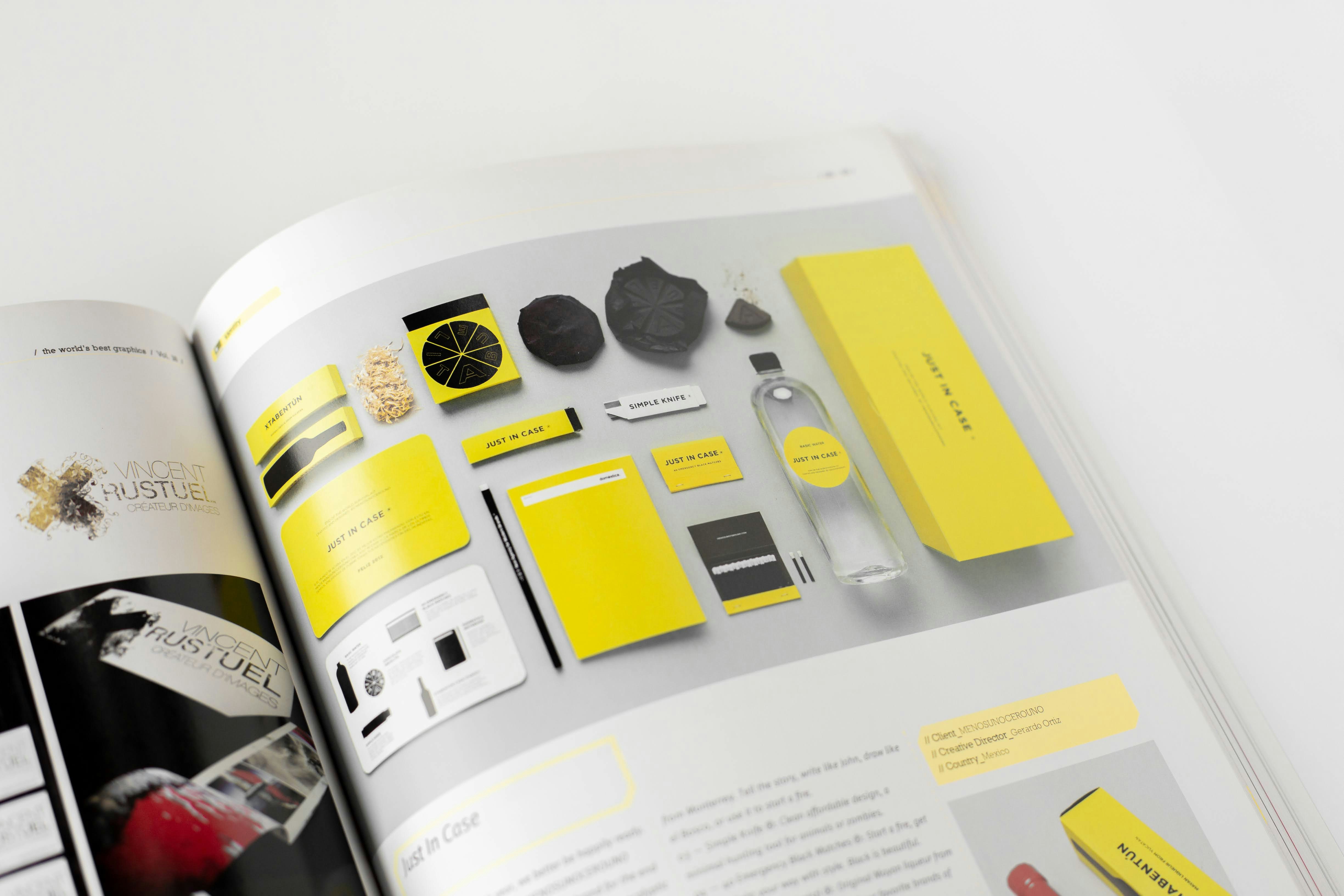
Start with branded packaging that aligns with brand identity. Use consistent colors, minimal designs, and sustainable materials to signal quality and values. Research indicates 61 percent of consumers feel more excited about parcels featuring branded packaging. Sustainable packaging branding further elevates perception among eco-conscious buyers.
Add thoughtful inserts such as handwritten notes, QR codes linking to tutorials, or small free samples. These elements reduce post-purchase dissonance and encourage immediate engagement. A clear next-step prompt, like a discount code for the next order or loyalty program invitation, turns the moment into retention marketing dtc action.
Encourage user-generated content through subtle hashtags or shareable packaging elements. Customers who document their unboxing often become advocates, feeding community commerce strategies and lowering creative costs.
Successful DTC brands like those featured in case studies demonstrate measurable lifts. One brand replaced generic boxes with intentional designs and saw repeat purchase rates climb significantly. Another integrated omnichannel branding trends by syncing packaging with social campaigns, boosting digital storefront conversions.
The process compounds when paired with building brand loyalty ecommerce programs. Community members who receive elevated unboxing treatment share more and purchase more frequently. This approach integrates dtc personalization tactics by tailoring inserts based on purchase history.
Ultimately, unboxing experience optimization transforms logistics into loyalty engines. Brands applying these steps report higher lifetime values and reduced acquisition reliance.
Optimizing Digital Storefronts and Measuring Loyalty Wins
Personalization on digital storefronts forms the final layer of ecommerce branding strategies for dtc brands. First-party data from community participation and purchase history enables dynamic catalogs, tailored recommendations, and loyalty pricing that convert browsers into buyers. Brands applying dtc personalization tactics report up to 18x lifts in loyalty metrics when unified commerce replaces fragmented journeys.
Common pitfalls include generic mobile layouts that ignore omnichannel branding trends and over-reliance on discounts that erode margins. Sustainable packaging branding must extend to site visuals for consistency, while neglecting retention marketing dtc sequences after purchase wastes unboxing gains.
Measure success through blended CAC trends, LTV deltas between community members and non-members, and net revenue retention above 100 percent. These signals confirm that building brand loyalty ecommerce compounds returns beyond single transactions.
- How do ecommerce branding strategies for dtc brands boost digital storefront conversions? By feeding community UGC into product pages and using behavioral triggers for upsells.
- What metrics matter most? Track organic traffic growth, referral rates, and UGC performance in paid channels.
Next steps involve auditing current storefronts for personalization gaps, integrating community data flows, and testing one new retention campaign monthly. Brands that execute these steps see acquisition costs decline as owned channels amplify every dollar spent.