![[Brandz] Logo - White](https://brandzbulletin.com/wp-content/uploads/2024/06/Brandz-Logo-White.png)
Many data analysts, product marketers, and market researchers face persistent difficulties when using market research methods to collect accurate consumer insights. Limited sample sizes and slow data gathering processes often result in outdated information that fails to support effective competitor analysis. This gap prevents organizations from making informed data-driven decisions that could strengthen their market position.
To address these challenges, professionals should adopt integrated frameworks that combine traditional and innovative techniques. Surveys paired with social listening deliver richer consumer insights while real-time data collection improves the quality of competitor data analysis. Such combinations reduce bias and increase relevance for current market conditions.
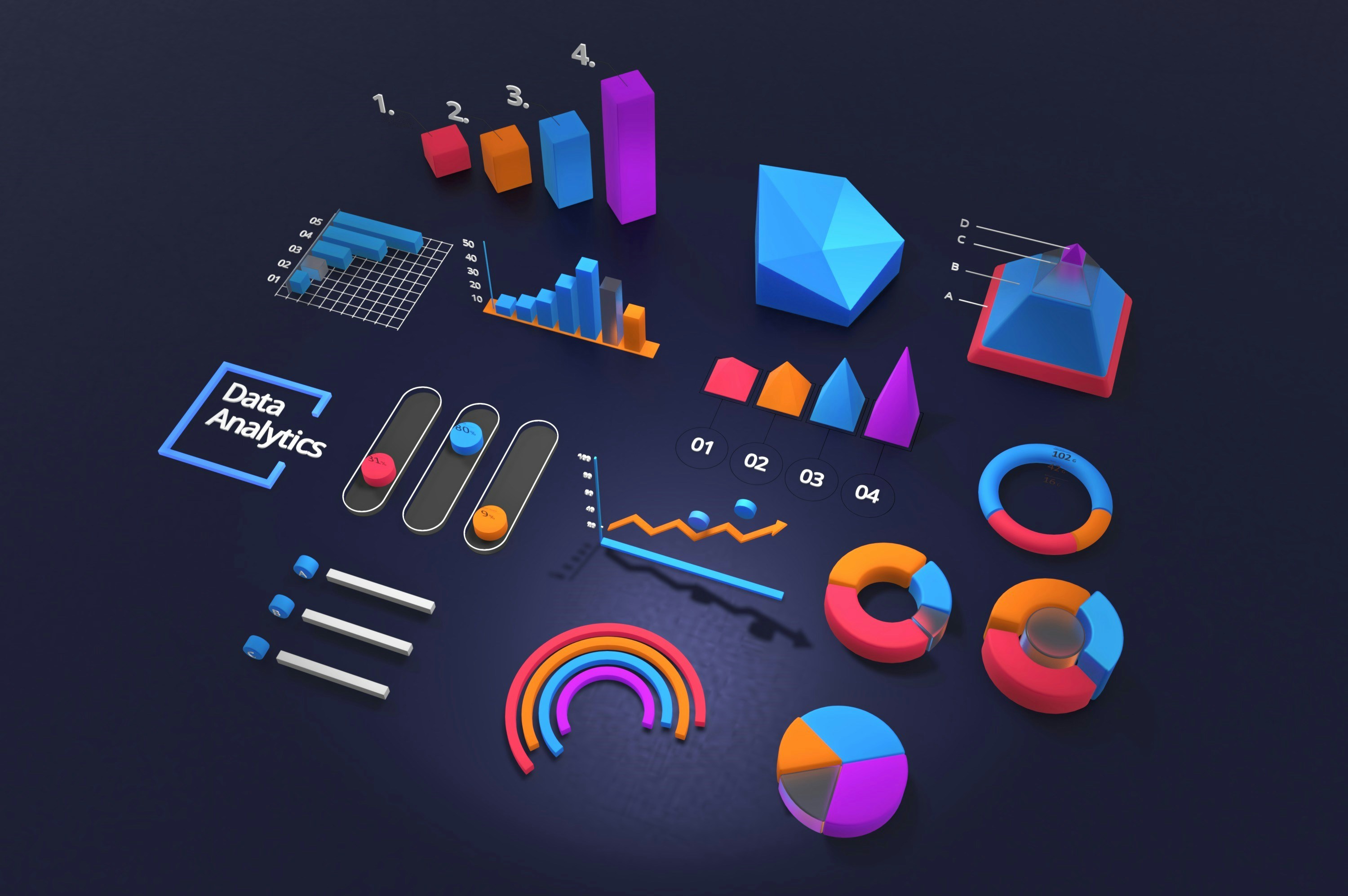
AI-powered market research tools further mitigate issues related to volume and speed. These solutions automate data processing and provide visualizations that highlight critical patterns. As a result, teams can focus on interpretation rather than manual tasks, leading to better brand decision making.
Another frequent obstacle involves aligning insights with business objectives. Decision briefs serve as essential guides to maintain focus and ensure findings translate into actionable strategies. Reports on consumer trends emphasize the value of agile methodologies and personalization for sustained competitive advantage.
By refining their approach to market research methods, analysts overcome common barriers and achieve superior outcomes in consumer insights and competitor analysis. This leads to more reliable data-driven decisions across the organization.
Step-by-Step Methodologies for Consumer Insights and Competitor Analysis
Effective market research methods start by setting clear goals via decision briefs. Analysts choose techniques including surveys and social listening to obtain consumer insights. These methods yield both numbers and narratives about customer preferences. Comprehensive 2026 guide to 11 market research methods details various options for different needs.
The next phase involves competitor analysis with real-time data collection. Teams monitor rivals using digital platforms to spot pricing changes and new offerings. This supports detailed competitor data analysis that reveals strategic advantages. Ultimate guide to conducting a competitor analysis offers practical steps for implementation.
AI-powered market research then accelerates analysis through automation. Tools process feedback from real-time feedback systems and create visual reports. Product marketers use these to make faster data-driven decisions. Roundup of best market research tools highlights solutions for tracking and visualization.
Validation comes from integrating multiple data sources and reviewing consumer trends. Personalization insights help refine approaches for specific audiences. The final step is compiling results into briefs that guide brand decision making and future actions. Furthermore, incorporating agile methodologies allows quick adjustments based on new data. Reports on 2026 trends stress the importance of personalization in building winning strategies. Top consumer trends 2026 underscores these points for brands. Real-time feedback systems combined with traditional surveys create a robust framework for ongoing consumer insights. This comprehensive approach ultimately enhances brand decision making across teams and sustained growth.
Turning Insights into Decisions: Tools, Mistakes to Avoid, and Next Steps
Selecting the right market research tools is essential for converting raw data into actionable brand decision making. AI-powered market research platforms automate collection and analysis, enabling teams to process large volumes from real-time feedback systems quickly. These solutions provide visualizations that highlight trends in consumer insights and competitor analysis, supporting faster data-driven decisions.
Common mistakes include relying on outdated surveys without integrating social listening or ignoring bias in competitor data analysis. Overlooking agile methodologies can lead to insights that fail to address current consumer trends. Teams should avoid isolated data sources and instead combine multiple inputs for trustworthy results.
Troubleshooting starts with auditing data quality and validating findings against multiple benchmarks. Regular reviews of market research methods ensure alignment with business goals. Analysts benefit from decision briefs that translate findings into clear strategies.
Next steps involve piloting AI-driven tools from established lists and training staff on interpretation. Organizations should establish continuous monitoring using real-time feedback systems to maintain competitive edge. This approach refines market research methods over time and strengthens overall brand decision making through consistent, evidence-based actions. Best practices for data-driven marketing decisions and Guide to marketing analytics offer further guidance on implementation.