![[Brandz] Logo - White](https://brandzbulletin.com/wp-content/uploads/2024/06/Brandz-Logo-White.png)
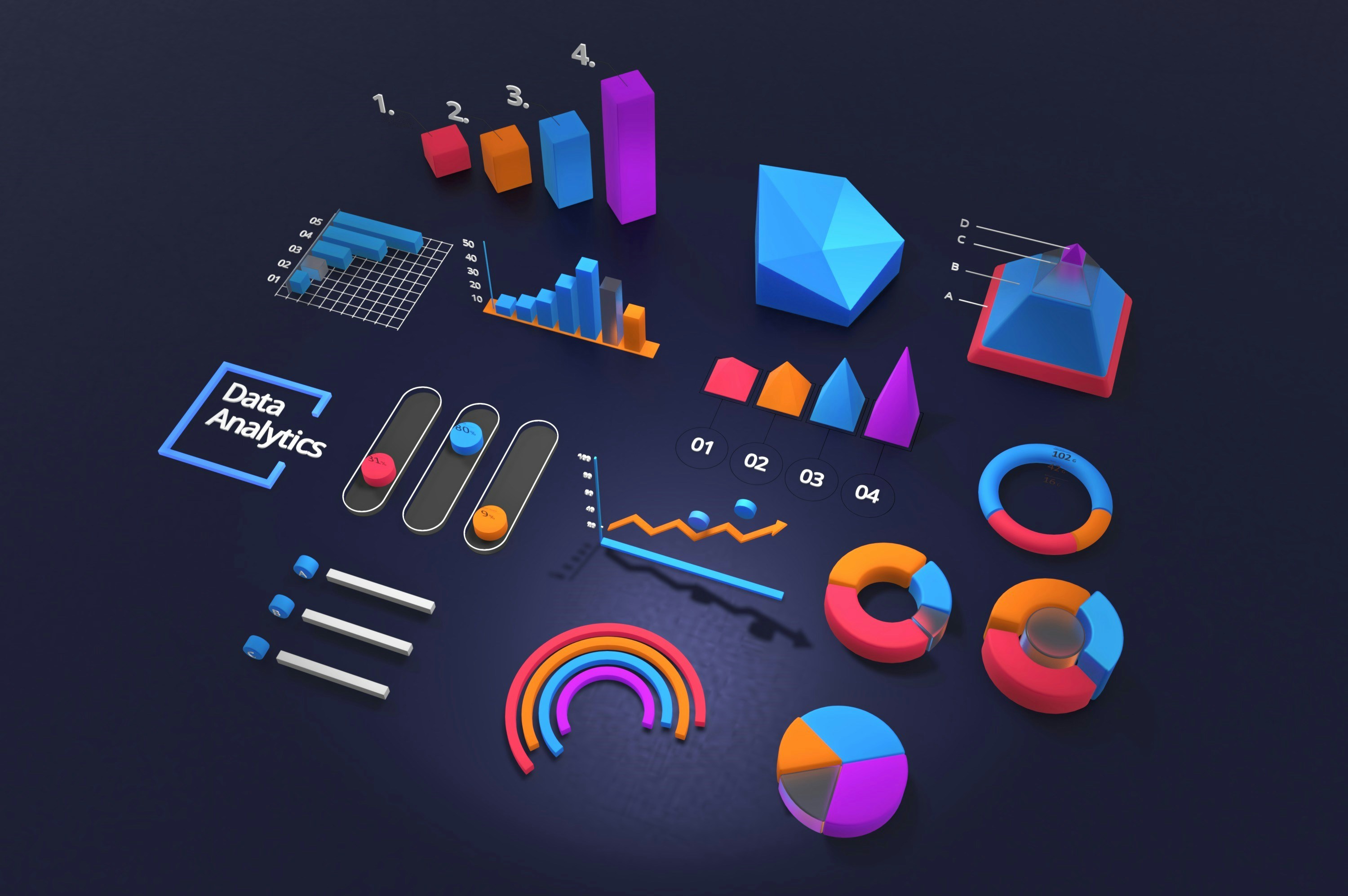
Data analysts, product marketers, and market researchers frequently encounter unreliable datasets that distort consumer behavior patterns. Outdated collection methods produce slow insights, preventing timely responses to market shifts. These gaps hinder effective consumer insights gathering and lead to decisions based on incomplete information.
Traditional surveys often lack the speed required for today’s dynamic environments. Without real-time feedback systems, teams miss emerging trends highlighted in 2026 market research trends reports. Competitor data analysis suffers when data arrives too late for meaningful comparison, weakening overall strategies.
Hyper-segmentation personalization adds further complexity, as legacy tools cannot process granular segments efficiently. AI in market research remains underutilized, leaving always-on research ecosystems inaccessible. This results in fragmented SWOT competitor analysis and poor data-driven brand decisions.
Case studies show brands like Ford and McDonald’s overcame similar hurdles by updating their approaches. Persistent challenges in market research methodologies 2026 include integrating mixed methods with advanced platforms. Organizations that resolve these issues achieve faster, more accurate consumer understanding and stronger positioning.
The core problem remains reliance on sporadic, non-integrated processes that fail to deliver actionable results across consumer insights gathering, competitor data analysis, and data-driven brand decisions.
Proven Methodologies to Gather Consumer Insights Quickly
Surveys form the foundation of quick consumer insights gathering. Start by crafting concise questions that target key behaviors and preferences. Distribute them through digital platforms for immediate responses. Follow up with interviews to clarify patterns and uncover deeper motivations. This combination of surveys interviews mixed methods accelerates data collection while maintaining quality.
Real-time feedback systems integrate seamlessly with these steps, allowing teams to adjust questions on the fly based on incoming results. In 2026 market research trends, AI in market research plays a central role by processing large volumes of responses instantly. Analysts can apply hyper-segmentation personalization to break down audiences into precise groups for targeted analysis.
Always-on research ecosystems support ongoing monitoring, replacing one-time studies with continuous data streams. These approaches directly inform competitor data analysis by providing context for market positioning. Feature matrices become easier to build when consumer data aligns with competitor offerings.
To implement, define clear objectives first. Select representative samples next. Deploy tools from established providers then. Finally, use AI tools to synthesize findings into actionable insights. Such structured processes lead to better data-driven brand decisions and reduce the time from data collection to strategy.
Case examples from brands demonstrate how these methodologies deliver measurable improvements in understanding consumer behavior. By adopting market research methodologies 2026, organizations gain reliable inputs for strategic planning. The focus remains on speed without sacrificing depth or accuracy. Incorporating insights from step-by-step 2026 guide helps refine these steps further. Brands that apply always-on systems report higher accuracy in predictions and stronger outcomes.
Competitor Analysis Frameworks and Data-Driven Brand Decisions
Competitor analysis begins with structured frameworks that organize data effectively. Teams map direct and indirect competitors using feature matrices to compare product attributes side by side. This reveals gaps and opportunities for differentiation. SWOT competitor analysis follows to assess strengths, weaknesses, opportunities, and threats systematically.
Data from consumer insights gathering feeds directly into these evaluations. Real-time feedback systems improve accuracy by capturing current market sentiments. AI in market research detects patterns across large datasets, speeding up the process.
Common mistakes include using outdated information or ignoring niche competitors. Troubleshooting requires cross-referencing sources and updating profiles through always-on research ecosystems. Hyper-segmentation personalization then refines targeting based on findings.
Integrating results supports stronger data-driven brand decisions. Brands such as Coca-Cola demonstrate success by combining these steps with ongoing monitoring. Applying market research methodologies 2026 ensures consistent competitor data analysis. Organizations that link surveys interviews mixed methods with competitive reviews gain proactive positioning advantages.
November 2025 guide details feature matrix construction. Authoritative framework outlines SWOT application. Step-by-step AI approach shows how to convert insights into brand strategies.
Sources
- https://cleverx.com/blog/how-to-conduct-market-research-methods-process-and-tools-for-2026
- https://fuelcycle.com/ebook/2026-market-research-insights-trends-report
- https://escalent.co/blog/top-consumer-trends-2026-market-research-insights-brands-need-to-build-winning-strategies
- https://sightx.io/blog/future-consumer-research-what-2026-already-telling-us
- https://www.revuze.it/blog/competitive-product-analysis
- https://blog.hubspot.com/marketing/competitive-analysis-kit
- https://sproutsocial.com/insights/marketing-competitor-analysis
- https://cleverx.com/blog/cx-case-study-brands-that-cracked-market-research
- https://www.productboard.com/glossary/competitor-analysis
- https://xcelglobalpanel.com/case-studies