![[Brandz] Logo - White](https://brandzbulletin.com/wp-content/uploads/2024/06/Brandz-Logo-White.png)
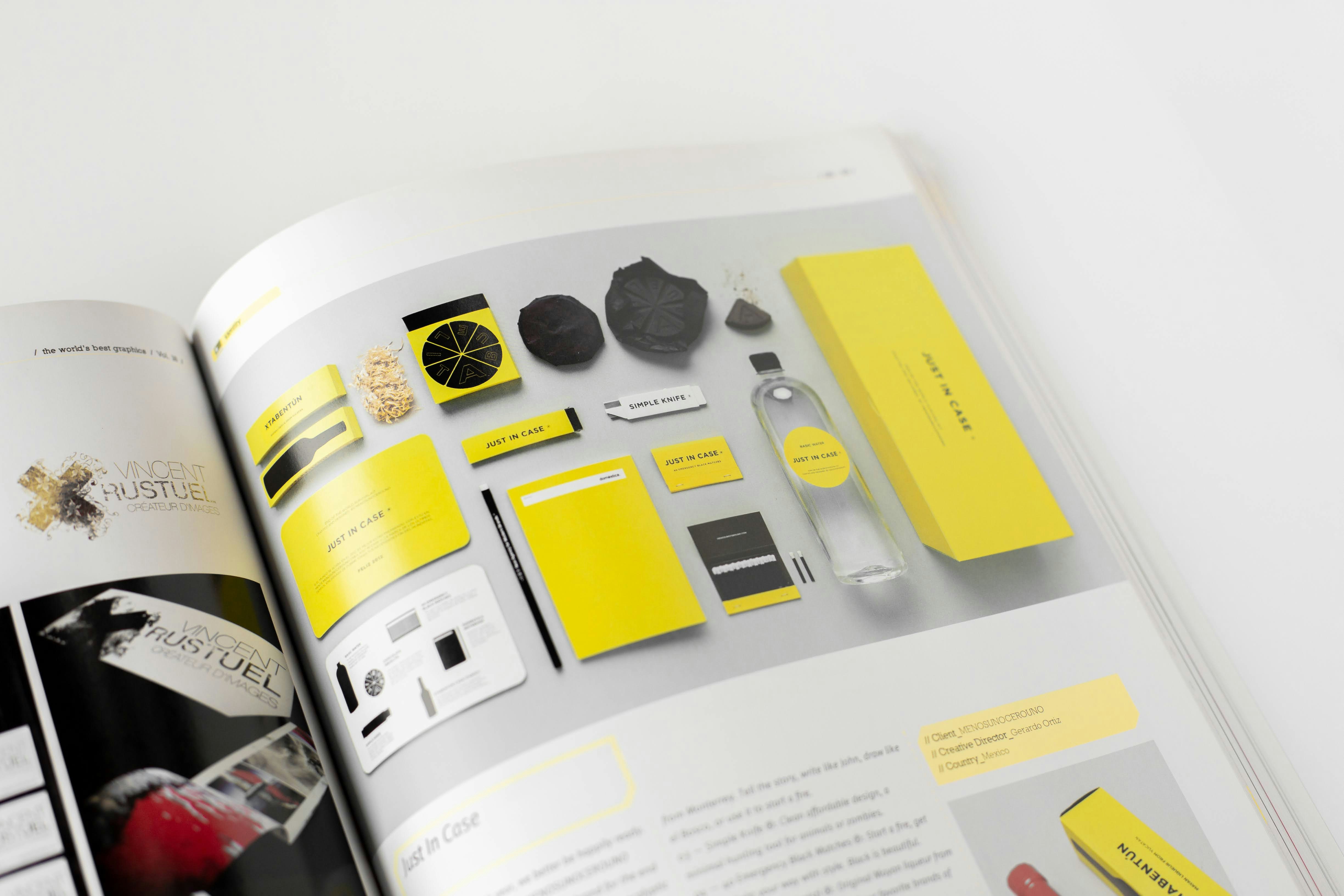
Many brands suffer from visuals that blend into the background. Generic logos, flat color palettes, and predictable layouts fail to capture attention in a crowded market. Graphic designers and brand managers often struggle when they rely on outdated approaches instead of embracing current shifts.
The result is low recognition and weak emotional connection. Audiences scroll past without stopping.
To change this, focus on graphic design trends 2026. These trends move toward imperfect, organic elements that feel human and authentic. Data from recent reports shows that brands adopting handmade textures and surreal touches see higher engagement.
Incorporate elements like hyper-bloom florals or neon-noir contrasts drawn from 2026 design trends. They help create memorable brand aesthetics that cut through noise.
A strong visual identity framework starts with understanding these graphic design trends 2026. They guide choices in typography, color, and imagery for consistency across touchpoints.
When you align with current creative brand design directions, recognition improves. Teams that update their approach report stronger audience loyalty and clearer differentiation from competitors.
The outcome you deserve is visuals that feel intentional and alive. This shift turns forgettable assets into assets that build lasting brand value.
2026 Design Trends Reshaping Brand Aesthetics
Creative directors are leaning into graphic design trends 2026 to refresh tired brand visuals. Naive and handmade design leads the way with imperfect lines and organic forms that feel approachable rather than polished. These styles add personality to logos and packaging.
Texture-first approaches follow closely. Designers overlay subtle paper fibers, brush marks, and light noise to give flat screens more depth. The result feels tactile even on digital platforms.
Surreal imagery mixes unexpected elements such as floating objects or distorted perspectives. Adobe notes that these compositions help brands create memorable moments that linger with viewers.
Organic shapes and soft gradients replace rigid grids. They bring a sense of movement and life to layouts. Canva data shows rising interest in imperfect design as audiences seek authenticity over perfection.
Dopamine color palettes pair saturated tones with muted pastels for energetic yet balanced results. Hyper-bloom florals and neon-noir contrasts provide additional options for visual identity framework updates.
When applying these graphic design trends 2026, start by auditing current assets. Identify where handmade elements or surreal touches can replace sterile graphics. Test combinations on social assets and print materials to ensure consistency.
AI assists rapid iteration while human oversight preserves emotional intent. Brands that blend both report higher engagement. This approach keeps creative brand design relevant and distinctive without losing core identity.
Texture, color, and form work together to build stronger connections. The shift supports long-term recognition across every touchpoint.
Building Your Visual Identity Framework Step-by-Step
Begin the process by conducting a full audit of current brand assets including logos, color usage, and marketing materials. Measure how well they align with graphic design trends 2026 such as texture-first design and surreal imagery. Identify areas where generic elements dominate and replace them with organic alternatives that feel more human and authentic. Define the logo system next. Create primary marks plus flexible versions that accommodate handmade details without losing recognition. Select typography that balances clean readability with expressive weights suitable for current 2026 design trends. Build the color palette around five hues maximum. Draw from dopamine palettes and muted organics to create energy while preserving versatility. Establish clear rules for gradients and texture applications to guide future work. Set imagery guidelines that embrace imperfect photography and illustrated surreal scenes. Link these choices to Canva’s data-backed trends for authenticity and audience connection. Compile all decisions into a living document. Share it across teams and update it as graphic design trends 2026 evolve. Include do-and-don’t examples to maintain consistency throughout every application. Test the framework on sample projects in both digital and print formats. Review results for emotional impact and adjust guidelines accordingly. This sequence delivers a visual identity framework that supports memorable brand aesthetics over time and strengthens overall creative brand design efforts.