Many graphic designers, creative directors, and brand managers face the frustration of brand visuals that fail to stand out. Overly safe minimalism and interchangeable templates have flooded digital spaces, causing audiences to scroll past without pause or connection. The result is lost recognition and weakened loyalty in competitive environments.
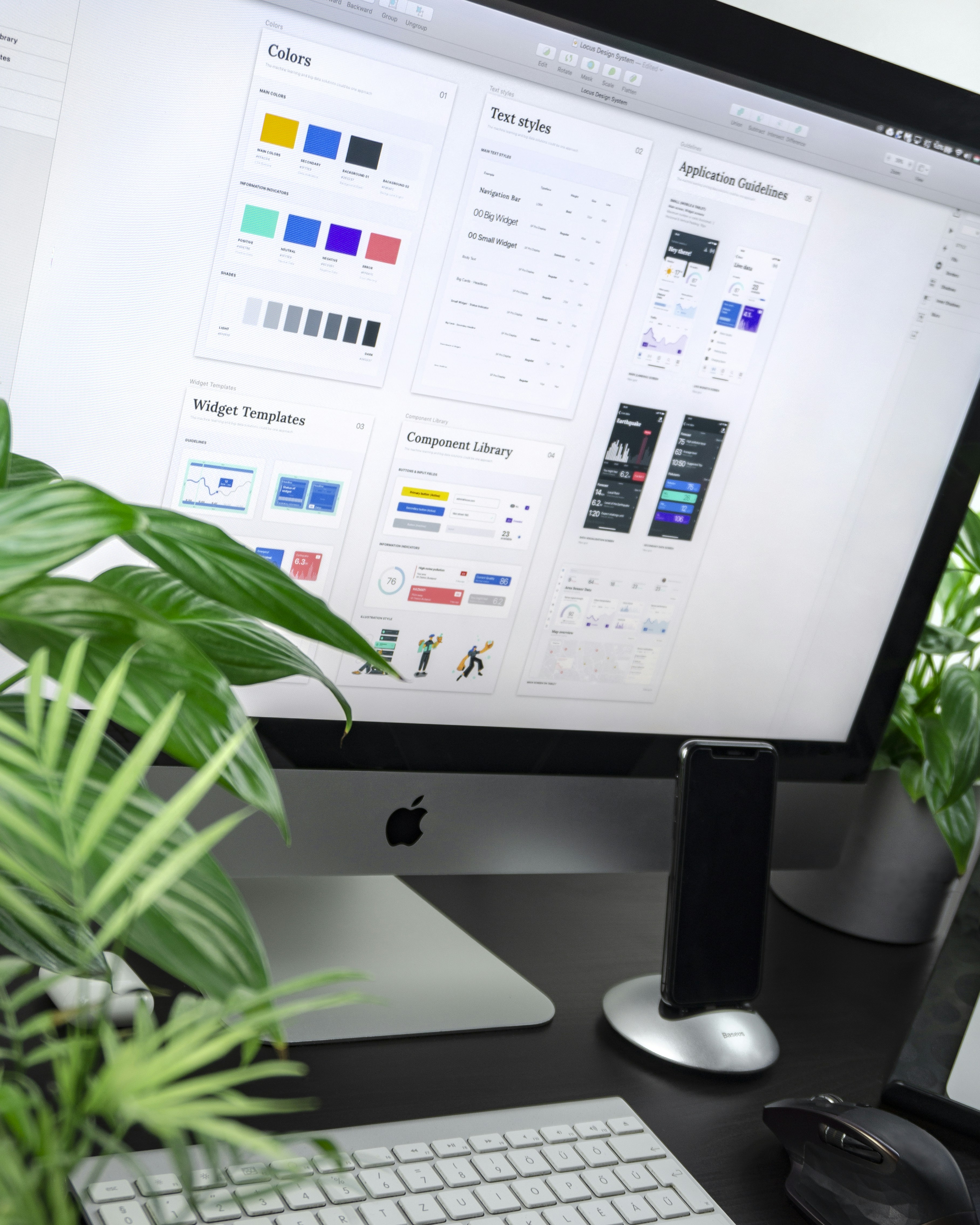
graphic design trends 2026 point toward a solution through modular brand systems. These allow identities to expand across dozens of touchpoints without losing cohesion. Flexible components replace single logos, supporting consistent yet adaptable expressions on social platforms, packaging, and presentations.
AI-powered visuals function as behind-the-scenes infrastructure. Teams leverage them for rapid layout variations and asset adaptation while preserving human oversight. This approach avoids generic AI aesthetics and instead incorporates analog imperfection like subtle grain and organic textures to restore authenticity.
Humanised brand identities emerge from hyper-local heritage and personal narratives. Designers mine origin stories for specific motifs, patterns, and photography that feel rooted rather than generic. Such choices create instant recognition and emotional resonance.
Typography frameworks shift toward authority with bold hierarchies and confident serifs. These elements build trust in an era of skepticism by signaling clarity and establishment.
System-based logos paired with owned visual territories ensure brands remain identifiable even when marks are absent. Editorial brand design structures content into rhythmic flows that support serialized storytelling.
By following graphic design trends 2026, professionals gain actionable paths to memorable, scalable identities. The focus moves from chasing fleeting styles to building intentional systems that communicate purpose across every channel. The move away from trend-first rebrands toward culturally aligned decisions ensures longevity. Visual identity frameworks provide step-by-step mapping that aligns aesthetics with brand positioning for sustained impact.
Key 2026 Trends: Modular Systems, Humanised Identities, and Flexible Typography
graphic design trends 2026 emphasize modular brand systems that replace rigid logos with adaptable components. Teams build lockups, templates, and asset libraries that scale across social feeds, packaging, and presentations while preserving recognition. This architecture supports faster content cycles without fragmentation.
Humanised brand identities gain traction through hyper-local heritage cues. Designers integrate folk motifs, specific origin stories, and tactile textures such as grain or hand-drawn elements to signal authenticity. Audiences respond to visuals that feel rooted rather than algorithmically generic.
Typography frameworks evolve toward authority with bold serifs, high-contrast hierarchies, and custom pairings. These choices anchor credibility amid scrolling fatigue and economic caution, replacing fragile thin sans-serifs that once dominated.
graphic design trends 2026 also showcase system-based logos that function within motion-ready and mixed-media environments. Editorial brand design supplies rhythmic grids for serialized storytelling, while imperfect design trends add deliberate scuffs and analog warmth. AI-powered visuals serve production scaling yet remain subordinate to human direction.
Visual identity frameworks map these elements to brand positioning, ensuring consistent execution. The result delivers quick inspiration: brands that own color territories, embrace nostalgia selectively, and balance calm infrastructure with controlled chaos stand out in crowded markets.
Step-by-Step Visual Identity Frameworks and Mistakes to Avoid
graphic design trends 2026 deliver visual identity frameworks that turn scattered assets into cohesive systems. Begin with strategy alignment. Map brand positioning to core elements such as color, typography frameworks, and system-based logos before building outward.
Next construct modular brand systems. Develop lockups, templates, and reusable libraries that scale across platforms while preserving instant recognition. This structure accelerates content production for creative teams.
Layer in humanised brand identities by adding hyper-local motifs and tactile textures. Introduce imperfect design trends like grain and organic edges to convey warmth and intent. Reserve AI-powered visuals strictly for asset scaling and variation testing.
Apply editorial brand design to create rhythmic grids and narrative flows. These patterns support ongoing storytelling without identity drift.
Frequent mistakes include retaining overly safe minimalism that erodes distinction and chasing trends without audience alignment. Another pitfall is skipping motion testing for system-based logos, which leaves assets static in dynamic feeds.
Audit current visuals for recognition without marks. Strengthen gaps by claiming distinct territories. Reference the step-by-step visual identity system guide and complete brand strategy mapping during rollout. Most teams complete frameworks in eight to ten weeks by prioritizing modular components first.
Sources
- https://www.hemispheredm.com/graphic-design-trends-2026
- https://kota.co.uk/blog/branding-inspiration-brand-design-trends-for-2026
- https://www.treebirdbranding.com/blog/visual-identity-trends-for-2026
- https://www.vistaprint.com/hub/graphic-design-trends
- https://digitalsynopsis.com/design/logo-design-trends-2026
- https://www.adobe.com/express/learn/blog/design-trends-2026
- https://www.canva.com/newsroom/news/design-trends-2026
- https://www.frontify.com/en/guide/visual-identity
- https://www.metabrand.digital/learn/brand-strategy-a-complete-guide-and-frameworks
- https://digitalsynopsis.com/design/graphic-design-trends-2026