![[Brandz] Logo - White](https://brandzbulletin.com/wp-content/uploads/2024/06/Brandz-Logo-White.png)
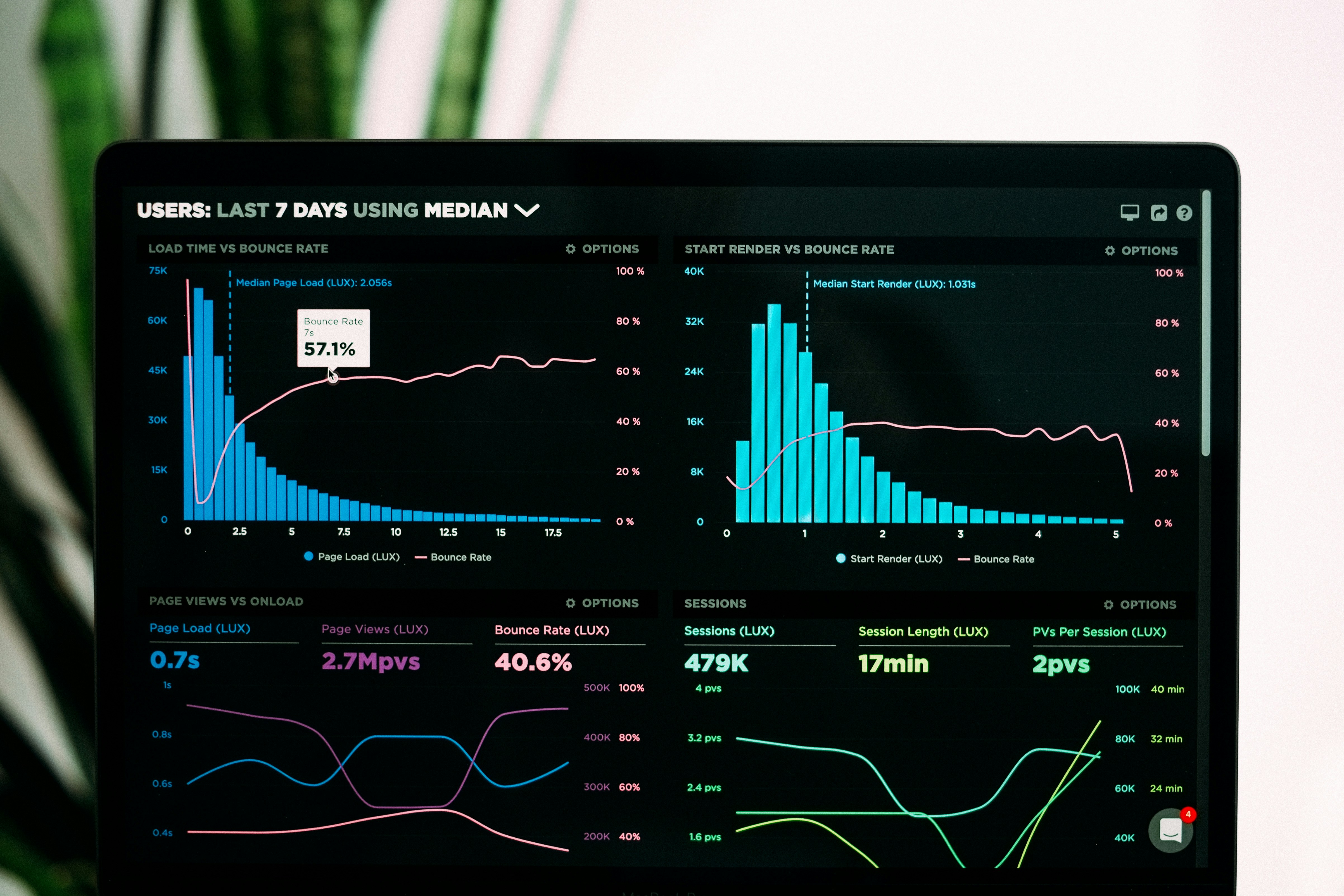
Data analysts, product marketers, and market researchers grapple with outdated market research methodologies that fail to deliver timely consumer insights. Traditional surveys suffer low response rates amid survey fatigue, while fragmented data sources create overload, hindering competitor analysis.
In 2026, market research trends from a survey of over 3,000 researchers emphasize AI integration and hybrid intelligence for real-time decisions. Yet, many teams still rely on manual processes, missing nuanced consumer behaviors captured by emerging survey trends like mobile-first designs and video feedback.
These challenges amplify risks in data-driven decisions. Without robust consumer insights, brands overlook shifting preferences; poor competitor analysis leaves market gaps unexploited. For instance, AI market research redefines insight generation through automation, but adoption lags.
Quick wins emerge by blending primary methods—surveys, interviews, focus groups—with competitive analysis tools. Tools like Semrush and Crayon enable benchmarking traffic, keywords, and strategies, informing product competitive analysis.
Consumer insight solutions powered by AI analyze reviews and social data for sentiment, complementing quantitative metrics. This hybrid market research methodologies approach accelerates actionable intelligence.
Overcoming these hurdles equips analysts to craft superior brand strategies, turning data overload into competitive advantage through precise consumer insights and vigilant competitor monitoring.
Top Methodologies for Gathering Consumer Insights: Surveys, Interviews, and Emerging AI-Driven Trends
Market research methodologies begin with surveys, the cornerstone for scalable consumer insights. Structured questionnaires quantify preferences, satisfaction, and behaviors across large samples. In 2026, survey trends like mobile-first designs boost completion rates by 40%, using thumb-friendly interfaces and progressive disclosure.
Conversational surveys mimic chat interfaces, improving engagement through dynamic branching and natural language processing. Video feedback captures emotional nuances via facial recognition, revealing unspoken sentiments traditional text misses.
Interviews provide depth, uncovering ‘why’ behind behaviors. One-on-one sessions or focus groups elicit qualitative data on motivations and pain points. Moderated discussions with 6-10 participants generate group dynamics, surfacing consensus and dissent for richer consumer insights.
Social listening scans unprompted conversations across platforms, identifying emerging trends and sentiment in real-time. Tools aggregate posts, reviews, and forums, complementing primary data.
Emerging AI market research automates analysis, predicting behaviors from vast datasets. Market research trends 2026 highlight hybrid intelligence, blending human intuition with AI for faster insights.
Consumer insight solutions integrate surveys, social data, and reviews via AI platforms. These market research methodologies ensure ethical, real-time decisions.
Key methods comparison:
- Surveys: Quantitative, scalable, cost-effective.
- Interviews/Focus Groups: Qualitative, in-depth.
- Social Listening: Real-time, unstructured.
- AI-Driven: Predictive, automated.
Blending these captures comprehensive consumer insights, powering data-driven brand strategies amid evolving markets.
Competitor Analysis Frameworks and Tools for Data-Driven Brand Decisions
Competitor analysis forms a critical pillar of market research methodologies, enabling data analysts to benchmark performance and uncover strategic gaps. Start with identifying direct and indirect rivals through market share data and audience overlaps.
Step-by-step product competitive analysis framework:
- Define scope: Focus on 3-5 key competitors based on product similarity and market presence.
- Gather data: Document features, pricing, UX via website audits and customer reviews.
- SWOT evaluation: Assess strengths, weaknesses, opportunities, threats for each.
- Gap identification: Pinpoint unmet needs using consumer insights from reviews and surveys.
Leverage competitive analysis tools for efficiency. Semrush reveals keyword gaps and traffic sources; Ahrefs tracks backlinks; Crayon monitors real-time website changes and pricing updates. Similarweb provides audience demographics and channel breakdowns.
AgencyAnalytics excels in multi-channel tracking across SEO, PPC, social.
Translate insights into action for data-driven decisions:
- Brand positioning: Emphasize differentiators where rivals falter, like superior integrations.
- Pricing strategies: Offer competitive tiers addressing pain points in competitor models.
- Roadmap adjustments: Prioritize features filling identified gaps, validated by consumer insights.
Integrating these market research methodologies with tools ensures agile responses to market research trends 2026, fostering superior brand outcomes.
Sources
- https://www.askattest.com/blog/guides/market-research-methods
- https://biobrain.io/blog/market-research-methodologies-in-2026-how-insight-generation-is-being-redefined
- https://www.qualtrics.com/articles/strategy-research/market-research-trends/
- https://paxform.com/insight/7-market-research-survey-trends-reshaping-business-in-2026/
- https://swapbiswas.com/blog/competitive-product-analysis/
- https://riffanalytics.ai/blog/best-competitive-analysis-tools
- https://www.lyssna.com/blog/product-competitive-analysis/
- https://www.revuze.it/blog/best-consumer-insight-solutions-2026/
- https://fuelcycle.com/ebook/2026-market-research-insights-trends-report/
- https://agencyanalytics.com/blog/competitor-analysis-tools