![[Brandz] Logo - White](https://brandzbulletin.com/wp-content/uploads/2024/06/Brandz-Logo-White.png)
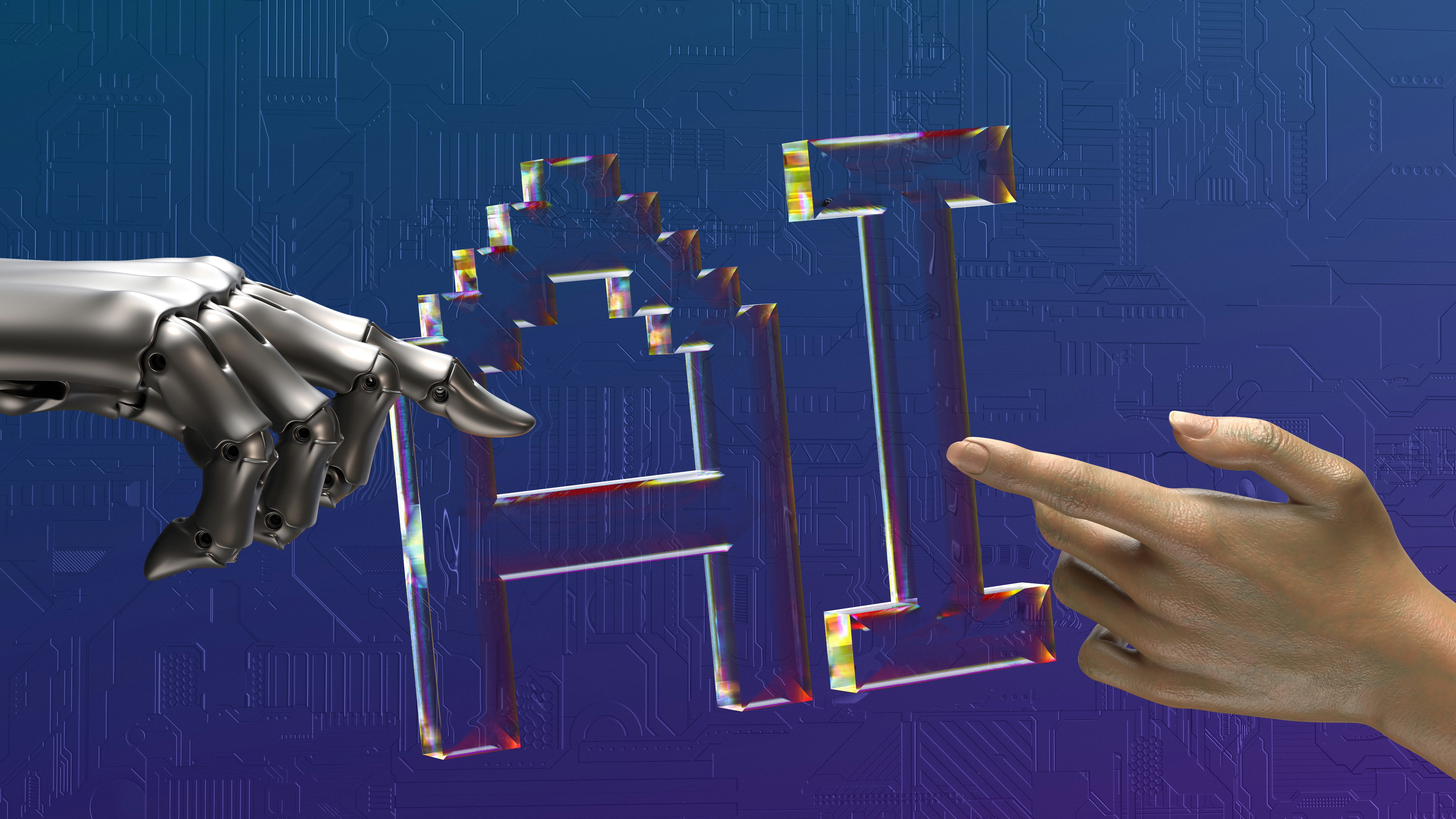
Legacy systems create major hurdles for operations directors, IT leaders, and traditional business owners pursuing digital transformation strategy. Outdated infrastructure prevents seamless AI integration legacy systems, leaving advanced tools unable to access real-time data or connect via modern APIs.
Deloitte’s 2025 analysis found that 60% of AI leaders identify legacy system integration as the biggest barrier to deploying new solutions. This results in stalled projects and lost competitive edge.
Maintenance eats 60–80% of IT budgets according to Gartner and PwC data, while technical debt grows by 20% annually and drains around $370 million per enterprise each year. These hidden costs block investments in innovation and expose companies to compliance failures.
For traditional operations, slow batch processing and isolated databases limit scalability and customer responsiveness. Security gaps widen as zero-trust standards evolve, increasing breach risks.
Overcoming legacy barriers AI requires shifting from maintenance mode to capability building. legacy system modernization in 2026 turns these constraints into advantages by freeing resources for growth.
Modernizing legacy operations delivers lower costs, faster cycles, and stronger resilience, letting leaders focus on strategic outcomes rather than firefighting outdated code.
Quick Wins: Low-Risk Moves to Modernize Legacy Systems
Legacy system modernization begins with low-risk steps that generate quick ROI without disrupting daily operations. API enablement layers connect outdated platforms to modern analytics and AI tools, allowing real-time data access while preserving existing codebases. Operations directors gain visibility into performance without full replacement.
The 7 Rs framework modernization guides choices such as Rehost for lift-and-shift cloud moves or Refactor for targeted performance gains. These options cut infrastructure costs 25-35 percent and accelerate release cycles, matching evidence from McKinsey studies on deliberate modernizers. Retiring unused applications removes 15-30 percent of maintenance burdens in the first quarter alone.
AI integration legacy systems advances through Change Data Capture patterns that feed live data into models before full migration completes. This limits exposure and proves value early. modernizing legacy operations this way also strengthens security with micro-segmentation added incrementally rather than all at once.
ROI legacy modernization shows in six to twelve months via lower technical debt, fewer outages, and freed budgets for innovation. Teams track metrics like deployment frequency and incident reduction to confirm progress. These measured moves build momentum for broader digital transformation strategy while keeping risk low for traditional business owners.
Step-by-Step Digital Transformation Roadmap for Traditional Operations
Successful legacy system modernization follows a structured four-stage process that keeps risk manageable while driving results for operations directors and traditional owners. The first stage focuses on diagnostics. Teams document every existing system, their interconnections, and accumulated technical debt using dependency maps and risk registers. This step typically takes two to four weeks but prevents costly missteps later by identifying which platforms prevent AI integration legacy systems from functioning at scale.
Planning comes second. Executives select modernization paths using the 7 Rs framework modernization to match business priorities. They link every decision to the overall digital transformation strategy and set clear targets such as infrastructure cost reductions of 25-35 percent and faster deployment cycles. Resource allocation and phased timelines ensure funding supports both immediate needs and long-term goals.
During execution, changes happen in controlled waves. API enablement layers are added early to unlock real-time data flows. Rehosting or refactoring follows based on value and risk. Rollback mechanisms stay active so operations continue uninterrupted throughout modernizing legacy operations.
The final stage brings stabilization. Performance tracking begins immediately and continues at regular checkpoints. Key indicators include maintenance cost declines, lower incident frequency, and improved ROI legacy modernization. Continuous measurement confirms that initiatives deliver on cost control and AI readiness. Operations directors can then scale successful patterns across the organization for ongoing advantage in 2026.
Sources
- https://www.okoone.com/spark/strategy-transformation/how-legacy-system-modernization-is-reshaping-business-in-2026
- https://keyholesoftware.com/legacy-modernization-trends
- https://dataforest.ai/blog/embracing-the-digital-revolution-key-trends-shaping-business-in-2025
- https://www.pwc.com/us/en/services/consulting/supply-chain-operations/library/digital-trends-operations-survey.html
- https://blog.seeburger.com/make-your-legacy-system-future-ready-with-ai
- https://www.tntra.io/digital-transformation-guide
- https://www.teksystems.com/en/insights/state-of-digital-transformation-2025
- https://www.trootech.com/blog/legacy-system-modernization
- https://devoxsoftware.com/blog/the-2026-legacy-modernization-report-research-insights-and-strategic-roadmap
- https://www.boldare.com/blog/application-modernization-2026-ai-legacy-migration-cto-guide