![[Brandz] Logo - White](https://brandzbulletin.com/wp-content/uploads/2024/06/Brandz-Logo-White.png)
Data analysts, product marketers, and market researchers face persistent challenges: unreliable consumer insights from fragmented sources, outdated methods yielding biased data, and difficulty translating findings into actionable brand strategies. In 2026, these pain points undermine data-driven decisions, with teams wasting resources on assumptions rather than evidence.
Robust market research methods overcome this by systematically gathering high-quality consumer data. Primary research—direct collection via surveys, interviews, and focus groups—delivers fresh, targeted insights. Surveys quantify preferences at scale across 150+ million consumers, while in-depth interviews and focus groups uncover motivations and unmet needs [Attest].
Secondary research complements this by analyzing existing data from industry reports, government statistics, and competitor publications, providing cost-effective context [BioBrain]. Blending both ensures comprehensive views, reducing bias and accelerating insight generation.
Key techniques include TAM/SAM/SOM modeling to size addressable markets precisely, social listening for real-time sentiment via tools like Meltwater, and descriptive analysis to summarize patterns [Atlan].
These methodologies empower teams to benchmark performance, identify gaps, and craft strategies that boost ROI. For instance, competitor analysis tools reveal SEO and social benchmarks, informing positioning [Similarweb].
By prioritizing validated primary research, enriched secondary data, and integrated analysis, organizations achieve reliable consumer insights that drive superior brand decisions and competitive advantage.
Effective Competitor Analysis Techniques and Tools
Market research methods extend to competitor analysis through primary and secondary techniques that benchmark performance and reveal gaps. Primary research deploys surveys and interviews to capture consumer perceptions of rivals, quantifying preferences and pain points [Attest]. Focus groups provide qualitative depth, surfacing unspoken reactions to competitor offerings.
Secondary research draws from industry reports, public datasets, and competitor benchmarks for efficient context [BioBrain]. Tools like TAM/SAM/SOM model addressable markets, clarifying positioning opportunities.
Leading competitor analysis tools amplify these methods. Ahrefs uncovers backlink profiles and keyword gaps, enabling SEO benchmarking. Similarweb reveals traffic sources and audience overlaps [Similarweb]. Meltwater tracks social listening and media mentions for sentiment analysis [Meltwater].
Social listening monitors real-time conversations, identifying emerging threats via platforms analyzing SEO, ads, and engagement [Meltwater]. Riff Analytics specializes in AI visibility, tracking answer share in generative search [Riff].
Integrate descriptive analysis to summarize patterns, informing data-driven decisions [Atlan]. Surveys validate findings at scale, while tools unify metrics for ROI measurement [Improvado].
These approaches—blending primary surveys, secondary data, and specialized tools—uncover market gaps, refine strategies, and drive superior brand outcomes in 2026.
From Data to Decisions: Data-Driven Brand Strategies and Best Practices
Market research methods culminate in analysis that transforms consumer insights and competitor data into high-ROI brand strategies. Data analysts apply descriptive, predictive, and prescriptive techniques to drive decisions [Atlan].
Descriptive analysis summarizes patterns from primary research like surveys and focus groups, revealing current consumer preferences and market positions. Social listening and TAM/SAM/SOM models benchmark rivals via secondary data, identifying immediate gaps [BioBrain].
Predictive analysis forecasts trends using historical data from competitor analysis tools. Regression and time series models anticipate shifts in sentiment or demand, enabling proactive positioning. Tools like Similarweb predict traffic patterns [Similarweb].
Prescriptive analysis recommends actions through optimization. Integrate insights from competitor analysis tools like Ahrefs and Meltwater to allocate budgets for maximum ROI, unifying metrics for data-driven decisions [Improvado].
Best practices:
- Blend primary (surveys, interviews) and secondary research for robust consumer insights.
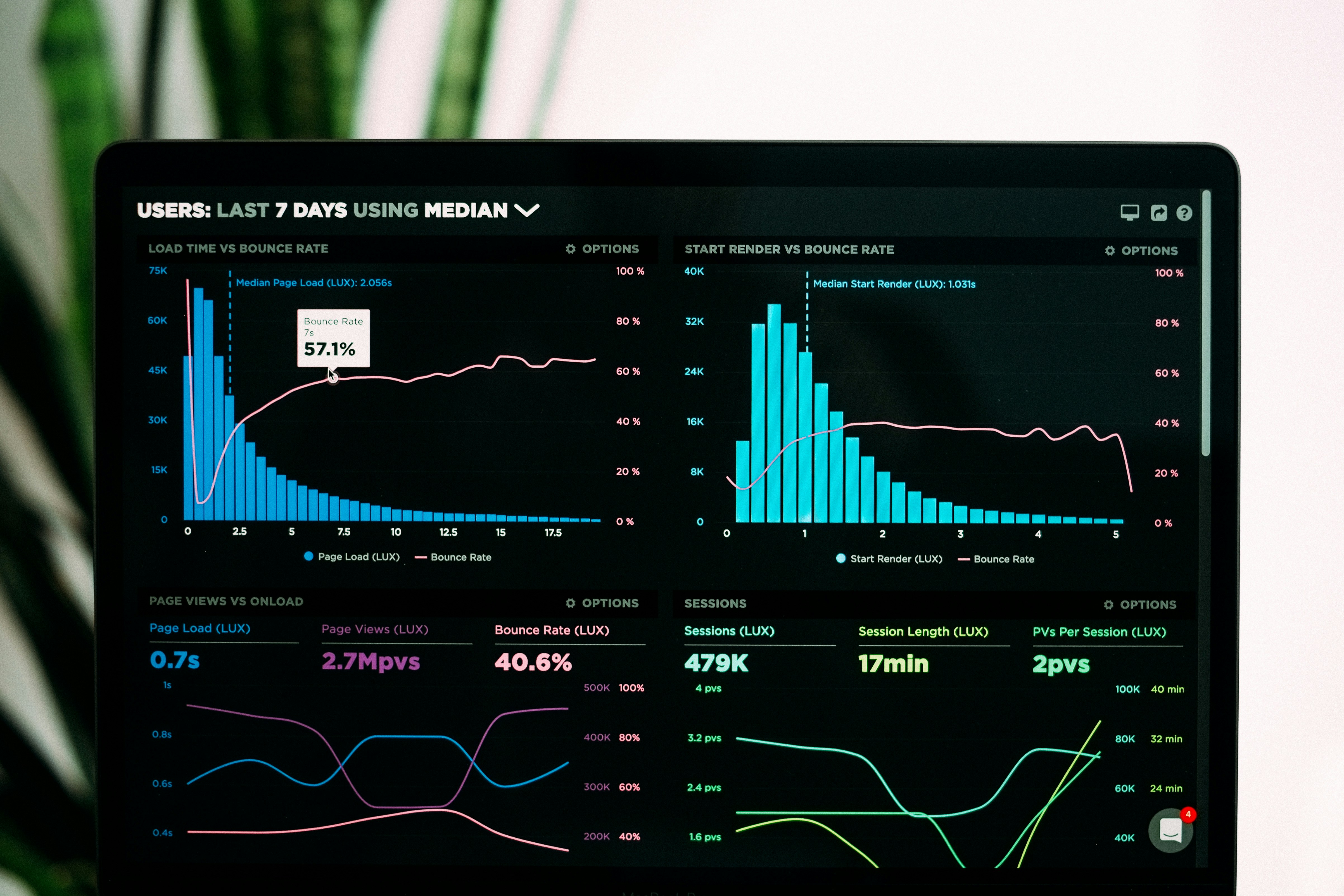
- Automate descriptive analysis to monitor KPIs in real-time.
- Use predictive models iteratively, validated against new data.
- Deploy prescriptive simulations for scenario planning.
This progression—from raw data via market research methods to actionable strategies—ensures high-ROI outcomes.
FAQs
Q: How do descriptive and predictive analysis differ in brand strategy? Descriptive summarizes past performance; predictive forecasts future opportunities using consumer insights.
Q: What role do competitor tools play? They benchmark SEO, social, and AI visibility, informing prescriptive actions [Meltwater].
Q: Best next step after insights? Unify data pipelines for ongoing analysis and testing.
Next steps: Pilot hybrid market research methods, build dashboards, and iterate quarterly for sustained advantage.
Sources
- https://www.askattest.com/blog/guides/market-research-methods
- https://biobrain.io/blog/market-research-methodologies-in-2026-how-insight-generation-is-being-redefined
- https://gustdebacker.com/market-research/
- https://riffanalytics.ai/blog/best-competitive-analysis-tools
- https://www.meltwater.com/en/blog/competitor-analysis-tools
- https://www.similarweb.com/blog/marketing/marketing-strategy/best-competitor-analysis-tools/
- https://improvado.io/blog/data-driven-marketing-decisions
- https://userp.io/marketing/data-driven-marketing/
- https://www.driveresearch.com/market-research-company-blog/the-ultimate-guide-to-conducting-a-competitor-analysis-competitive-analysis-company/
- https://atlan.com/data-analysis-methods/