![[Brandz] Logo - White](https://brandzbulletin.com/wp-content/uploads/2024/06/Brandz-Logo-White.png)
The Pain of Forgettable Brand Visuals
Many graphic designers, creative directors, and brand managers encounter the same recurring problem. Visuals that lack personality quickly fade from memory. Audiences scroll past them without a second glance, leaving brands struggling to build recognition. This disconnect often stems from an overreliance on safe, generic choices that ignore emerging graphic design trends 2026. Current graphic design trends 2026 highlight the need for tactile, human-centered elements that evoke emotion. When these are missing, even well-intentioned campaigns fall flat. Surveys of creators reveal a strong preference for imperfect design that feels authentic rather than overly produced. imperfect design helps regain creative control and fosters genuine connections. Flexible visual identities with motion and adaptable palettes are gaining traction according to industry analyses. flexible sensory visual identities allow brands to evolve while staying coherent. Yet many teams default to static, one-size-fits-all solutions that limit expression. Modular identity systems and thoughtful typography can transform how audiences perceive a brand. Without these frameworks, consistency suffers and recall weakens. The pain of forgettable visuals is real and costly in a crowded market. Addressing it requires intentional shifts toward 2026 branding trends that prioritize sensory design trends and human-centered visuals. This sets the groundwork for developing memorable brand aesthetics that endure. Brands that fail to adapt see diminished returns on their visual investments. Exploring these shifts early prevents long-term stagnation and opens doors to stronger audience loyalty through purposeful aesthetic choices. By recognizing this challenge, professionals can begin exploring solutions rooted in the latest approaches to brand visual identity.
2026 Design Trends Shaping Brand Visuals
Graphic design trends 2026 push toward tactile craft and hyper-individualism. Creators favor imperfect design that feels authentic over polished uniformity. This creates space for genuine emotional connections with audiences. Surveys of one thousand professionals confirm rising interest in organic forms and nostalgic references that counter AI sterility.
Sensory design trends add layers of motion and adaptable color palettes. Flexible visual identities emerge that respond to context while preserving coherence. Modular identity systems enable teams to recombine elements without breaking overall harmony. Typography strengthens these frameworks by adding distinctive character and recall.
Human-centered visuals anchor 2026 branding trends. They emphasize purpose-driven storytelling paired with playful yet balanced aesthetics. Hyper-chromatic accents and handcrafted details further differentiate brand visual identity from competitors. Graphic design trends 2026 encourage experimentation that remains strategically grounded.
- Organic textures versus rigid AI outputs
- Personalization scaled for individual resonance
- Nostalgic motifs refreshed for today
- Purposeful sensory engagement across media
These patterns come directly from recent industry forecasts. Teams that apply them through clear visual identity frameworks achieve more memorable brand aesthetics. The evolution favors sensory depth and human warmth over previous minimal detachment. Brands adopting this direction report improved engagement and stronger long-term recognition in crowded markets.
Building a Coherent Visual Identity Framework
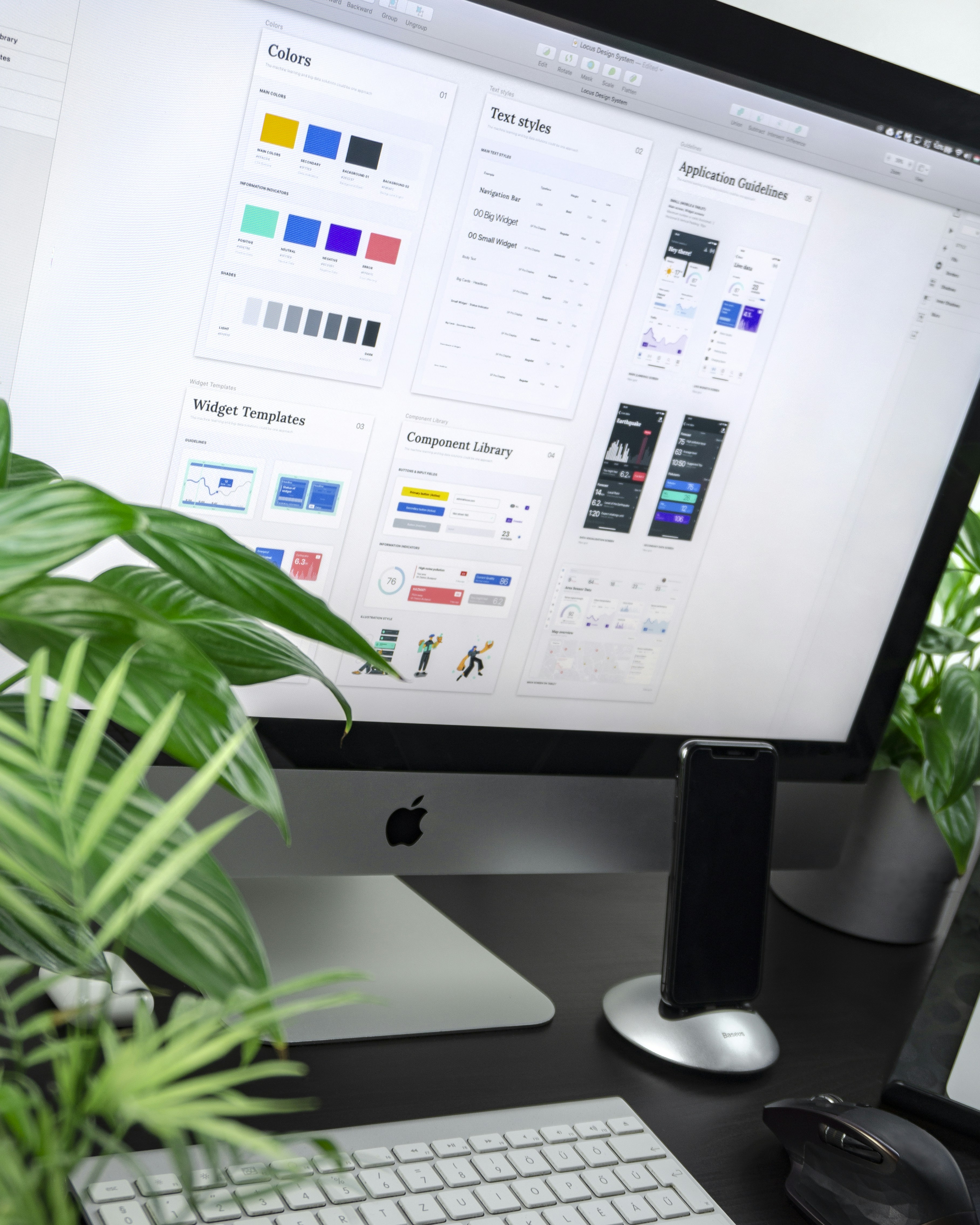
Effective brand visual identity begins with seven core aesthetic elements that work together seamlessly. First, define a primary color palette drawn from sensory design trends to evoke specific emotions and create instant recognition. Second, select typography that reinforces modular identity systems and ensures legibility across all platforms and media types. Third, curate photography styles that incorporate imperfect design for greater authenticity and relatability. Fourth, integrate motion elements to support flexible visual identities in digital and interactive spaces. Fifth, establish iconography and illustration rules that align with human-centered visuals and storytelling goals. Sixth, apply texture and material references that add tactile depth inspired by graphic design trends 2026. Seventh, create usage guidelines that maintain consistency while allowing creative adaptation within defined boundaries.
These steps translate brand vision into consistent execution across every touchpoint. Creative directors use this structure to guide teams toward unified outcomes. Start by auditing existing assets against 2026 branding trends to identify gaps. Then map each element to audience expectations for memorable brand aesthetics. Test combinations in real-world applications to verify coherence and emotional impact. Update palettes seasonally to reflect evolving graphic design trends 2026 without losing core recognition. Incorporate feedback loops so visuals remain relevant and responsive. This framework prevents fragmentation and builds lasting recall among target audiences. Teams following these principles report higher engagement metrics and stronger brand loyalty. The result is a system that feels both structured and alive, supporting long-term brand growth through deliberate choices rooted in current industry directions. Additional considerations include balancing playfulness with professionalism to match audience preferences. Regular reviews ensure the framework evolves with new graphic design trends 2026 while preserving foundational elements.
Sources
- https://www.vistaprint.com/hub/graphic-design-trends
- https://www.canva.com/newsroom/news/design-trends-2026
- https://www.sessions.edu/notes-on-design/discover-the-hottest-graphic-design-trends
- https://www.adobe.com/express/learn/blog/design-trends-2026
- https://www.digitalpolo.com/aesthetic-branding-guide
- https://www.thebrandingjournal.com/2026/01/top-branding-design-trends-2026
- https://www.outcrowd.io/blog/branding-2026-fundamental-changes
- https://farfetchedstudios.com/glow-up-vibe-check-guaranteed-8-design-trends-giving-brands-peak-2026-aesthetic
- https://www.canva.com/learn/brand-building
- https://creativesoncall.com/what-is-creative-direction