![[Brandz] Logo - White](https://brandzbulletin.com/wp-content/uploads/2024/06/Brandz-Logo-White.png)
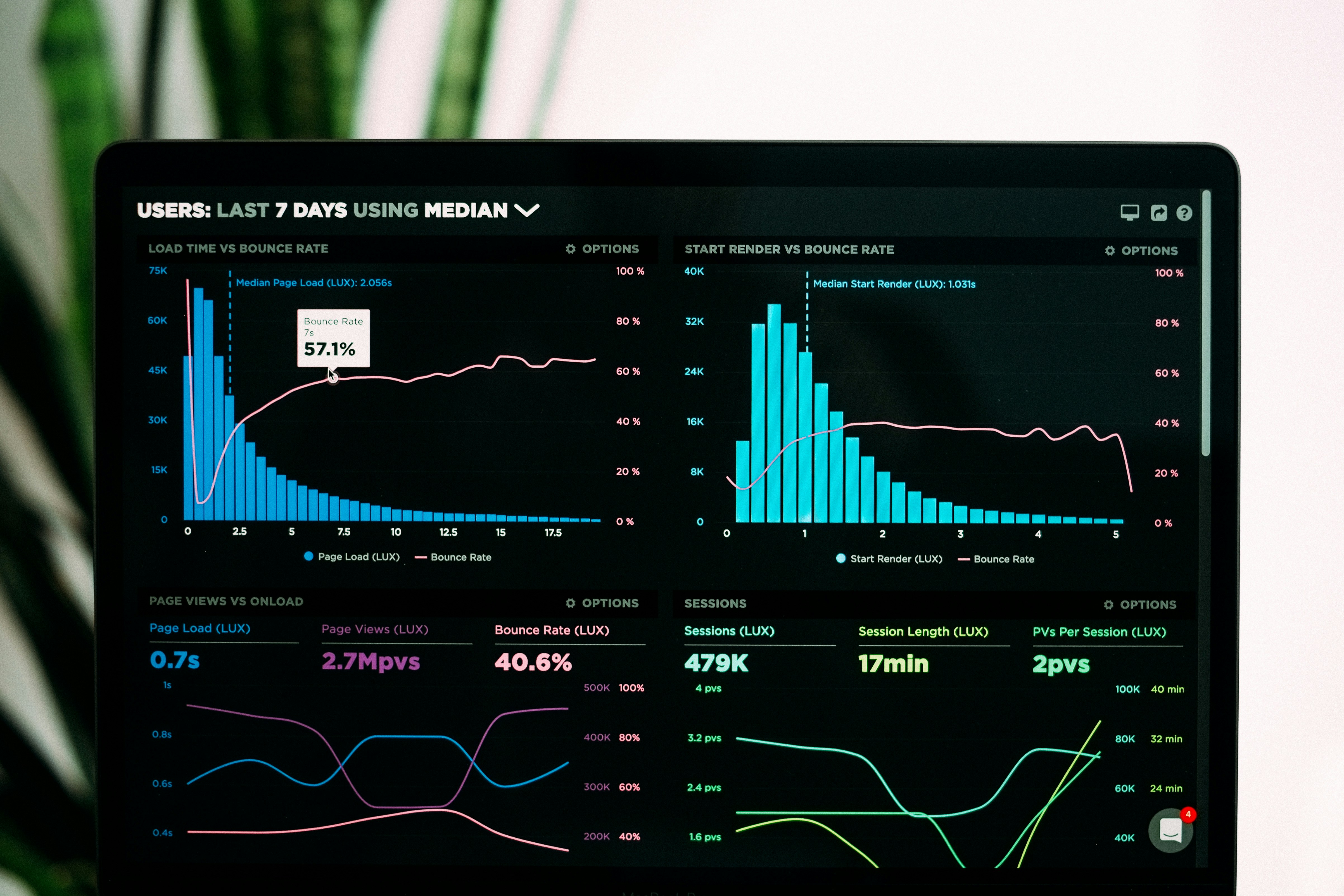
Data analysts, product marketers, and market researchers grapple with fragmented data silos that obscure true consumer insights and distort competitor analysis. Guesswork fills the gaps, leading to suboptimal data-driven decisions and stalled brand strategies in 2026’s dynamic markets.
Manual aggregation from disparate sources wastes time, yielding inconsistent metrics on preferences, behaviors, and rival tactics. Without robust market research methods, quantifying unmet needs or benchmarking performance remains elusive, heightening risks in product launches and positioning https://improvado.io/blog/data-driven-marketing-decisions.
Proven market research methods overcome these barriers. Primary approaches—surveys, interviews, focus groups—capture direct consumer insights, blending quantitative scale with qualitative depth enhanced by AI https://www.askattest.com/blog/guides/market-research-methods https://www.continuuminsights.com/blog/qualitative-research/.
Secondary methods like desk research and social listening provide competitive context, tracking trends and sentiment efficiently. Competitive analysis tools enable precise SEO competitor analysis and media monitoring for real-time edges https://riffanalytics.ai/blog/best-competitive-analysis-tools https://www.meltwater.com/en/blog/competitor-analysis-tools.
Unifying these via market research tools fosters actionable intelligence. Data analysts gain reliable datasets; marketers pinpoint gaps; researchers drive brand tracking. Structured methodologies deliver consumer insights, competitive advantages, and confident data-driven marketing, turning challenges into strategic wins.
Proven Market Research Methods for Gathering Consumer Insights
Surveys dominate market research methods for gathering scalable quantitative consumer insights. Online platforms deliver structured data on preferences, satisfaction, and behaviors rapidly. In 2026, mobile-first designs and AI-driven personalization enhance response rates and accuracy, minimizing bias through dynamic questioning https://paxform.com/insight/7-market-research-survey-trends-reshaping-business-in-2026/ https://www.pollfish.com/resources/blog/market-research/market-research-tools/.
Qualitative research via in-depth interviews probes deeper motivations and unmet needs. Open-ended queries reveal the ‘why’ behind survey metrics, with AI transcription accelerating analysis https://www.continuuminsights.com/blog/qualitative-research/.
Focus groups foster interactive discussions among 6-10 participants, surfacing collective sentiments and idea generation. Moderated sessions capture non-verbal cues, ideal for concept testing https://www.askattest.com/blog/guides/market-research-methods.
Observation studies real-world behaviors unobtrusively, such as in-store navigation or app usage. This method uncovers discrepancies between stated and actual actions, enriching consumer insights.
Social listening scans social media and forums for unprompted feedback, tracking sentiment trends and emerging topics. Tools aggregate mentions, enabling proactive brand adjustments https://www.askattest.com/blog/guides/market-research-methods.
Combining these market research methods—surveys for breadth, interviews and focus groups for depth, observation and social listening for context—yields robust, actionable consumer insights. Data analysts validate patterns; product marketers refine offerings; researchers inform data-driven decisions efficiently.
Competitive Analysis Techniques and Data-Driven Brand Decisions
Competitor analysis forms a core market research method, categorizing rivals as direct/indirect, leaders, challengers, followers, or nichers. Start by identifying 4-5 key players via desk research and industry reports https://www.driveresearch.com/market-research-company-blog/the-ultimate-guide-to-conducting-a-competitor-analysis-competitive-analysis-company/.
Conduct website audits assessing SEO rankings, user experience, and content gaps using competitive analysis tools like Semrush or Ahrefs for traffic, backlinks, and keyword overlaps https://riffanalytics.ai/blog/best-competitive-analysis-tools https://www.meltwater.com/en/blog/competitor-analysis-tools.
Benchmark products/services, pricing strategies, and marketing messaging. Track changes over time with matrices revealing advantages in features, costs, and positioning.
Gather primary data through surveys measuring awareness, preference, and satisfaction against competitors. Supplement with social listening for sentiment and reviews https://www.askattest.com/blog/guides/market-research-methods.
Analyze via SWOT frameworks, identifying strengths to leverage and weaknesses to exploit. Regular audits—quarterly in fast markets—ensure ongoing relevance.
Integrate insights for data-driven brand decisions:
- Positioning: Differentiate via unique value propositions uncovered in gaps.
- Pricing: Adjust competitively using benchmark matrices.
- Marketing: Refine channels and messages based on high-engagement tactics.
Market research tools unify data for brand tracking and forecasting. Data analysts model scenarios; product marketers optimize launches; researchers enable agile data-driven marketing, boosting ROI https://improvado.io/blog/data-driven-marketing-decisions.
Sources
- https://www.askattest.com/blog/guides/market-research-methods
- https://riffanalytics.ai/blog/best-competitive-analysis-tools
- https://improvado.io/blog/data-driven-marketing-decisions
- https://paxform.com/insight/7-market-research-survey-trends-reshaping-business-in-2026/
- https://www.meltwater.com/en/blog/competitor-analysis-tools
- https://escalent.co/blog/top-consumer-trends-2026-market-research-insights-brands-need-to-build-winning-strategies/
- https://www.continuuminsights.com/blog/qualitative-research/
- https://www.driveresearch.com/market-research-company-blog/the-ultimate-guide-to-conducting-a-competitor-analysis-competitive-analysis-company/
- https://www.pollfish.com/resources/blog/market-research/market-research-tools/
- https://www.gwi.com/blog/market-research-tools