![[Brandz] Logo - White](https://brandzbulletin.com/wp-content/uploads/2024/06/Brandz-Logo-White.png)
Legacy systems impose heavy burdens on operations directors, IT leaders, and traditional business owners. Outdated infrastructure generates technical debt that hinders new technology adoption. Integration barriers create fragmented processes, reducing overall efficiency in supply chains and daily operations.
Survey data reveals that 89 percent of operations leaders find their tech investments fall short of expectations. Poor data quality impacts 87 percent of organizations, stalling progress on digital initiatives. These issues compound when attempting to implement advanced solutions.
Maximizing AI ROI operations requires confronting these legacy constraints head on. Technical debt reduction through targeted modernization efforts can boost returns by as much as 29 percent. Yet many organizations hesitate due to fears of disruption during upgrades.
Enterprise AI strategy succeeds when paired with data quality improvement and operating model redesign. Leaders who follow a legacy modernization roadmap see substantial benefits. Enterprise analyses indicate 25 to 40 percent cost reductions via phased digital transformation operations.
AI agents automation and AI workflows ROI suffer without these foundational changes. Zero downtime upgrades provide a viable path for traditional businesses to evolve without halting production. Case examples from COBOL modernization demonstrate clear ROI for skeptical operators.
Many firms report that legacy integration challenges prevent full scaling of AI initiatives. Only a small percentage achieve enterprise-wide embedding of AI strategies. Addressing these pain points enables organizations to unlock higher productivity and competitive positioning in evolving markets.
Quick AI Wins to Boost Operational Efficiency Today
Operations directors and IT leaders gain immediate traction by introducing AI tools that target repetitive tasks in legacy environments. Automation of data entry, invoice processing, and report generation cuts manual effort significantly. These focused applications help in maximizing AI ROI operations by delivering quick productivity lifts without extensive system changes.
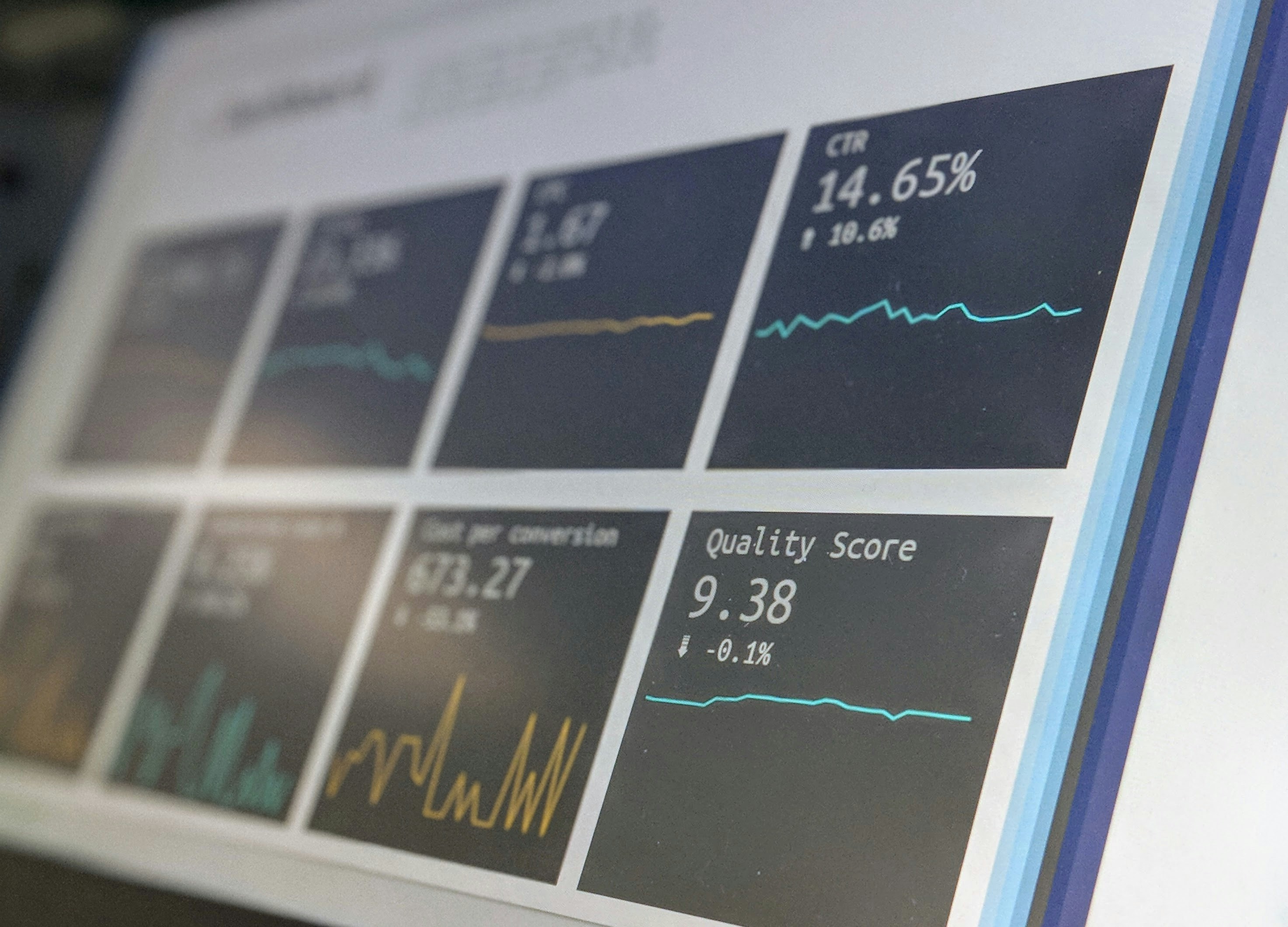
Data visualization solutions connect through APIs to existing databases. They turn raw operational numbers into clear dashboards for faster decision making. Teams track key metrics like inventory levels and production rates in real time, revealing bottlenecks early.
AI agents automation manages scheduling and basic approvals across departments. This reduces delays and human error in daily routines. Companies report smoother workflows after initial deployment.
Simple AI legacy integration projects use modular tools that sit alongside older platforms. They avoid full replacements at the start. This method supports technical debt reduction while maintaining stability.
Data quality improvement efforts run in parallel with new tools. Better inputs enhance visualization accuracy and overall reliability. Leaders then advance to operating model redesign for sustained gains.
A legacy modernization roadmap guides selection of top automation platforms suited for legacy setups. Zero downtime upgrades keep business running during rollout phases.
These early steps create visible results that build internal support. They align with enterprise AI strategy by proving value on small scales first. Traditional operators find such wins reduce skepticism toward larger digital transformation operations initiatives. Industry comparisons highlight tools effective for visualization and task handling in legacy settings. Such practical examples demonstrate clear pathways to much higher efficiency across sectors.
Phased Roadmap for AI Integration and Legacy Modernization
A structured legacy modernization roadmap begins with assessment of current technical debt. Operations directors map integration barriers across core systems before selecting tools. This foundation supports maximizing AI ROI operations by focusing resources on high-impact areas.
Phase one deploys quick wins through AI agents automation for repetitive tasks. Teams integrate data visualization platforms via APIs to existing databases without replacement. Zero downtime upgrades ensure continuous production during these initial changes.
Phase two advances AI legacy integration with modular platforms alongside legacy environments. Leaders prioritize data quality improvement to strengthen inputs for AI workflows. Technical debt reduction efforts run parallel to prevent friction in later stages.
Phase three scales enterprise AI strategy through operating model redesign. Cross-functional teams align on new processes while measuring AI workflows ROI at each milestone. Traditional businesses use phased adoption to avoid common pitfalls like over-scaling pilots too early.
Troubleshooting focuses on integration complexity and user adoption gaps reported in surveys. Regular KPI tracking catches issues before they compound. PwC survey data shows 89 percent of leaders face shortfalls when these steps are skipped.
Final phases embed AI fully across operations. Organizations achieve 25-40 percent cost reductions through consistent execution. IBM guidance confirms paying down legacy debt lifts returns by up to 29 percent. This approach delivers sustainable gains for IT leaders and business owners pursuing digital transformation operations.
Sources
- https://www.pwc.com/us/en/services/consulting/supply-chain-operations/library/digital-trends-operations-survey.html
- https://www.ibm.com/think/insights/ai-roi
- https://bonamenteconsulting.com/blog/the-coo-s-guide-to-modernizing-legacy-operations-for-the-digital-era
- https://www.adoptify.ai/blogs/ai-legacy-integration-modernizing-financial-services-safely
- https://sidgs.com/ai-driven-digital-transformation-enterprises
- https://www.articsledge.com/post/ai-digital-transformation
- https://keyholesoftware.com/digital-transformation-statistics-2026
- https://tezeract.ai/ai-tools-for-business
- https://mooncamp.com/blog/digital-transformation-statistics
- https://www.linkedin.com/pulse/digital-transformation-strategy-roadmap-modernizing-legacy-srinivas-v-rsfxc