![[Brandz] Logo - White](https://brandzbulletin.com/wp-content/uploads/2024/06/Brandz-Logo-White.png)
Many local business owners struggle with digital fatigue as audiences become desensitized to online ads, resulting in trust erosion that makes it harder to connect meaningfully. Traditional marketing methods provide a reliable way to cut through the noise with physical presence and community focus.
Print marketing for local businesses excels at building credibility. Physical pieces like flyers and brochures are often kept longer, leading to repeated views. When paired with digital integration, they support omnichannel strategies that increase engagement. Data from 2026 shows strong small business usage of print for targeted campaigns.
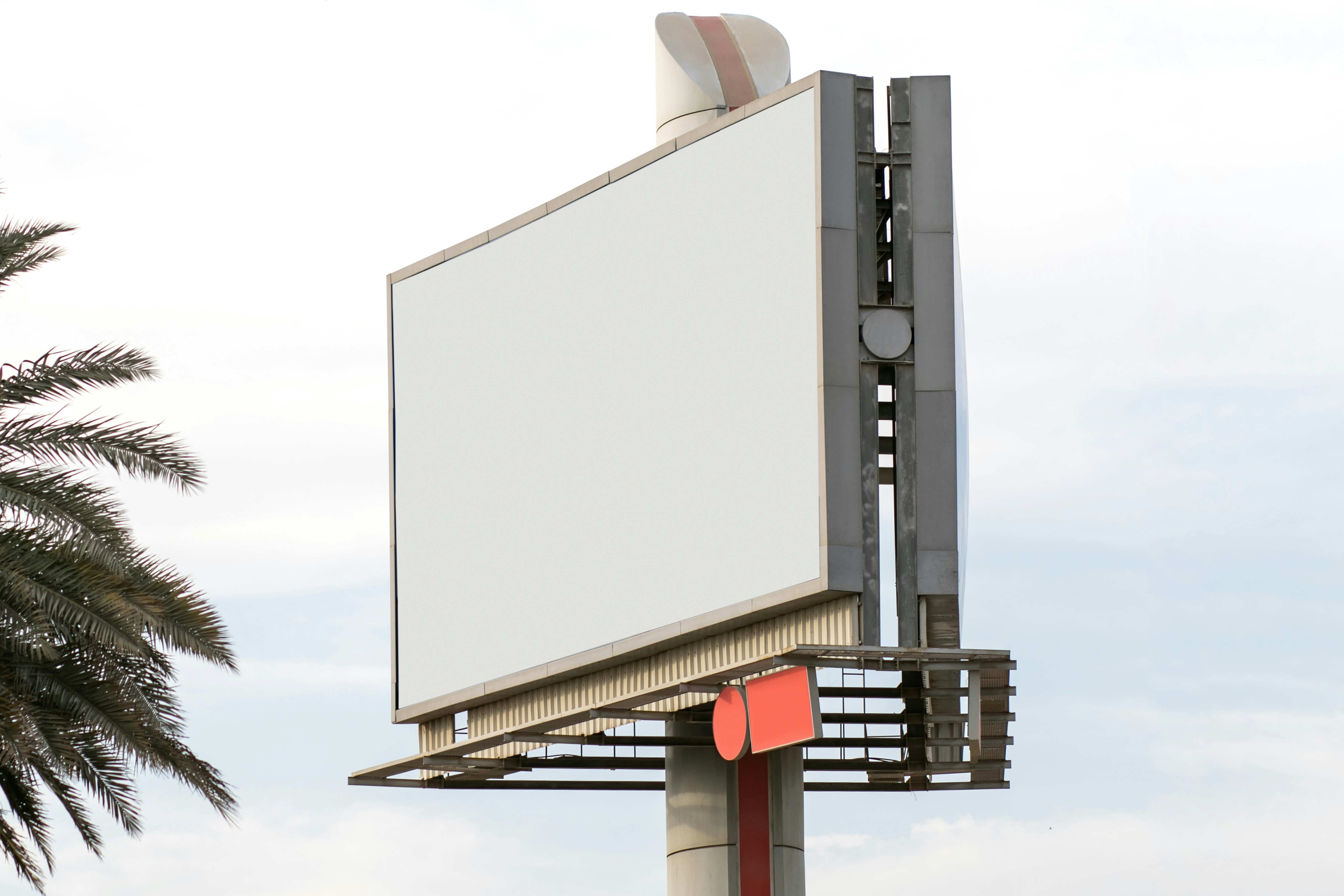
OOH advertising ROI shines in hyperlocal settings. Recent figures indicate record revenue of 9.46 billion, highlighting growth and effectiveness for driving local traffic record revenue of 9.46 billion. Signs and billboards near business locations reinforce branding while linking to mobile experiences for better tracking.
Direct mail effectiveness continues to impress with superior open rates compared to digital alternatives. Omnichannel direct mail combines physical mail with QR codes or URLs to track responses accurately. This blending traditional and digital marketing maximizes results for print marketers and strategists alike.
Hyperlocal print marketing allows precise neighborhood targeting, fostering trust through relevant messaging. Out of home advertising stats confirm high recall, making it ideal for local visibility.
By revisiting these approaches, businesses achieve proven ROI without over-reliance on volatile digital platforms.
Out-of-Home Advertising ROI and Local Targeting Tactics
Out-of-home advertising delivers strong results for local businesses seeking visibility beyond digital channels. Recent out of home advertising stats show impressive benchmarks, with campaigns achieving up to 2.5 times the ROI compared to other traditional marketing methods. This effectiveness stems from constant exposure in high-traffic areas. Hyperlocal targeting places signage near specific neighborhoods or events. Local owners use billboards to promote store openings or sales, driving foot traffic directly. Integration with mobile geotargeting allows ads to trigger app notifications or website visits when people pass by. Blending traditional and digital marketing enhances these efforts. QR codes on OOH displays connect physical signs to online landing pages for tracking conversions. OOH advertising ROI improves further when combined with social media retargeting based on location data. Data from 2026 indicates continued growth in this channel. Strategists report higher brand recall from outdoor ads than from online impressions alone. For print marketers, OOH complements hyperlocal print marketing by reinforcing messages across multiple touchpoints. Examples include community event sponsorships where signage reaches engaged audiences. These tactics help omnichannel direct mail campaigns by building awareness that makes mailers more effective upon arrival. Traditional marketing methods like OOH provide tangible presence that digital alone cannot match. Measurement tools now offer precise attribution, proving value to omnichannel strategists focused on local results. Reports highlight that OOH reaches 95 percent of the population weekly, offering unmatched scale for local targeting. This makes it a key component in any mix of traditional marketing methods. Local campaigns using these tactics often see measurable lifts in awareness and sales within weeks of launch.