![[Brandz] Logo - White](https://brandzbulletin.com/wp-content/uploads/2024/06/Brandz-Logo-White.png)
Local business owners grapple with digital ad fatigue, skyrocketing costs, and dismal engagement. With email open rates at 21.5% and click-throughs at 2.3%, consumers ignore endless online bombardment (aiim.com/print-vs-digital-marketing/). Algorithms shift unpredictably, eroding ROI for local advertising.
Traditional marketing methods are staging a comeback. Print, direct mail, and out-of-home (OOH) advertising deliver tangible impact where digital falters. Print commands 82% consumer trust for purchases, far surpassing online channels (chilliprinting.com/online-printing-blog/print-marketing-statistics/). 66% of marketers report print highly effective for local businesses.
Direct mail response rates crush digital: 4.4% overall versus email’s 0.12%, with house lists at 5.3% (mydoceo.com/blog/direct-mail-response-rates-2026/; mailmovers.com/resources/direct-mail-roi-statistics). Median ROI stands at 29%, often outperforming digital in customer lifetime value.
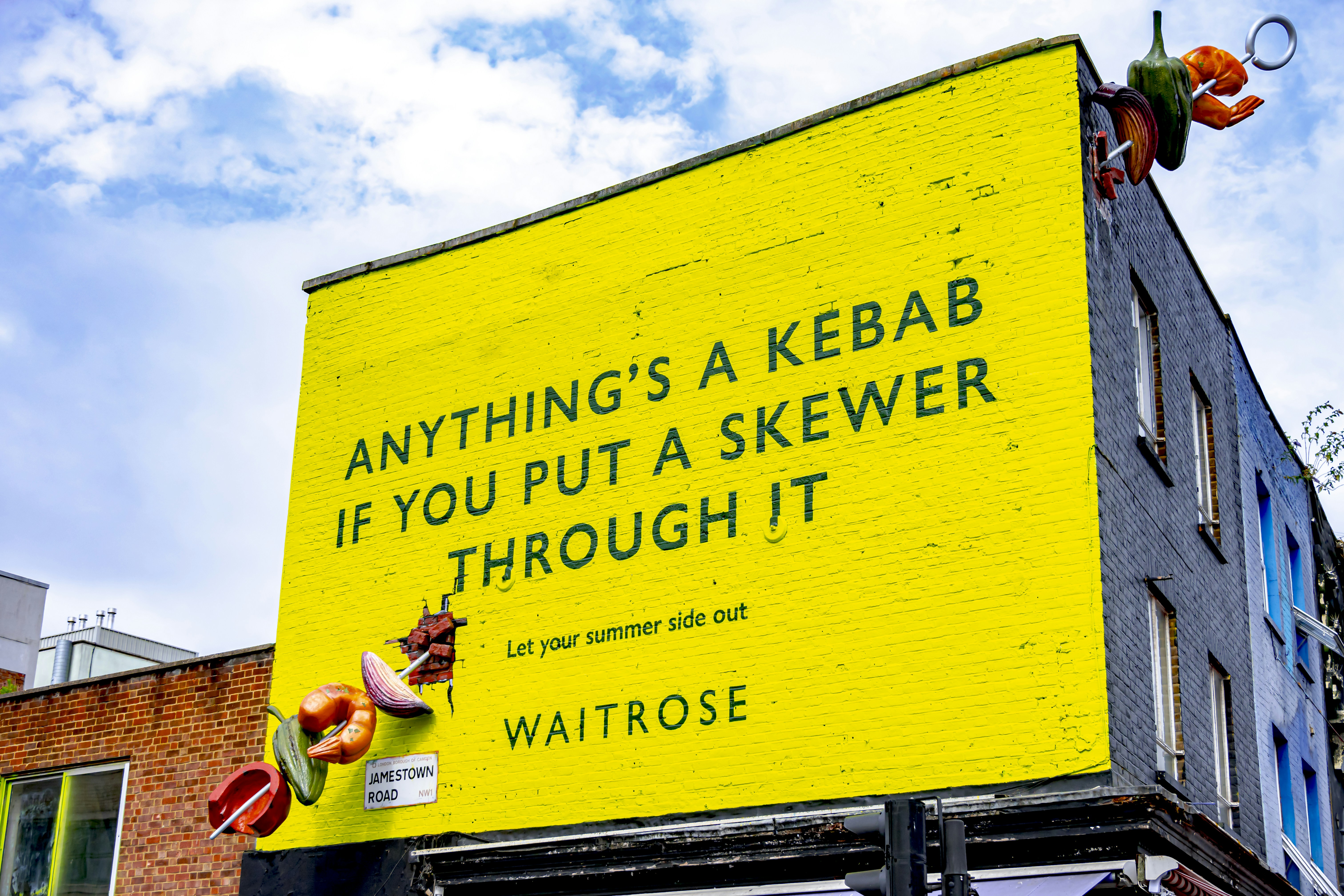
OOH advertising surges, with 2025 revenue hitting $9.46B after 19 quarters of growth (oaaa.org/news/out-of-home-advertising-revenue-reaches-record-9-46-billion/). Forecasts predict $9.2B in 2026 (bia.com/blog/bia-spotlights-new-growth-and-insights-in-out-of-home-ooh-advertising/).
Omnichannel strategists blend traditional marketing methods with digital via QR codes and retargeting. Integrated campaigns yield 63% higher responses and 118% lifts (drmg.com/marketing-blog/from-print-to-performance-the-2025-direct-mail-recap-your-2026-roadmap; chilliprinting.com/online-printing-blog/print-marketing-statistics/).
Print marketers note phygital approaches—personalized mail driving online action—build trust and measurable results. Local owners rediscover these methods for reliable, high-ROI local business advertising.
Print Marketing Statistics and Direct Mail ROI in 2026
Print marketing statistics underscore the power of traditional marketing methods in 2026. Consumers trust print ads at 82% for purchase decisions, 20% higher than digital channels (https://www.chilliprinting.com/online-printing-blog/print-marketing-statistics/). Print demands 21% less cognitive effort, boosting engagement.
66% of marketers deem print effective for local advertising, perfect for small businesses facing digital saturation. 75% of consumers report digital overload, driving preference for tangible materials.
Direct mail response rates dominate print vs digital marketing comparisons. Average 4.4% versus email’s 0.12%, with house lists at 5.3% and prospects at 1.0% (https://www.mydoceo.com/blog/direct-mail-response-rates-2026/; https://mailmovers.com/resources/direct-mail-roi-statistics; https://aiim.com/print-vs-digital-marketing/). Opens reach 80-90%, email 20-30%.
Direct mail ROI shines with medians at 29%, often the highest channel at 112%. Personalized mail lifts responses 135%, and acquired customers yield 10% higher lifetime value.
For print marketers, traditional marketing methods deliver reliable results. Local business owners benefit from superior engagement and conversions over digital. Phygital tactics, like QR codes, amplify direct mail ROI by 118% in integrated campaigns (https://drmg.com/marketing-blog/from-print-to-performance-the-2025-direct-mail-recap-your-2026-roadmap).
Recall rates hit 78% for print versus 46% digital, ensuring lasting impact. 92% of young adults find print easier to read. These stats position direct mail as a cornerstone for high-ROI local business advertising within omnichannel strategies.
OOH Advertising ROI: Integration Strategies for Omnichannel Success
Out-of-home (OOH) advertising anchors traditional marketing methods with proven ROI, generating $5.97 in revenue per dollar spent, surpassing many channels (https://deliberatedirections.com/ooh-advertising-roi-guide-business-owners/). Industry revenue hit $9.46 billion in 2025 after 19 quarters of growth, projecting $9.2 billion in 2026 (https://oaaa.org/news/out-of-home-advertising-reaches-record-9-46-billion/; https://www.bia.com/blog/bia-spotlights-new-growth-and-insights-in-out-of-home-ooh-advertising/).
OOH ROI 2026 amplifies through phygital marketing, where displays feature QR codes linking to personalized digital experiences. This drives immediate engagement, turning passive exposure into active conversions.
Omnichannel marketing strategies leverage OOH’s broad reach with digital precision. Sequential campaigns start with billboards creating awareness, followed by retargeting ads on social platforms. Geofencing captures billboard viewers for mobile follow-ups.
Case study: A software firm invested $75,000 in DOOH near business districts with QR codes to assessment tools. Results included 1,200 leads and 287 conversions at lower CPA than digital alone (https://deliberatedirections.com/ooh-advertising-roi-guide-business-owners/).
Another example: Retailer paired highway billboards with geofenced ads, lifting foot traffic significantly through multi-touch reinforcement.
Actionable steps for omnichannel success:
- Map customer journeys to select OOH locations matching commute patterns.
- Embed trackable QR codes or PURLs for attribution.
- Upload exposure lists to platforms like Facebook Custom Audiences for retargeting.
- Track metrics: impressions, scans, website lift, sales uplift using promo codes.
Traditional marketing methods like OOH excel in credibility and persistence. Integrated with digital, they deliver 3-5x higher responses, ideal for local business advertising and print marketers seeking measurable phygital impact (https://aiim.com/print-vs-digital-marketing/).
Sources
- https://www.chilliprinting.com/online-printing-blog/print-marketing-statistics/
- https://aiim.com/print-vs-digital-marketing/
- https://deliberatedirections.com/ooh-advertising-roi-guide-business-owners/
- https://www.bia.com/blog/bia-spotlights-new-growth-and-insights-in-out-of-home-ooh-advertising/
- https://drmg.com/marketing-blog/from-print-to-performance-the-2025-direct-mail-recap-your-2026-roadmap
- https://mailmovers.com/resources/direct-mail-roi-statistics
- https://www.mydoceo.com/blog/direct-mail-response-rates-2026/
- https://www.tension.com/blogs/2026-print-marketing-trends-build-smarter-measurable-campaigns/
- https://oaaa.org/news/out-of-home-advertising-revenue-reaches-record-9-46-billion/
- https://www.phase3mc.com/thinking/direct-mail-marketing-advertising-still-effective-in-2026